
Picking
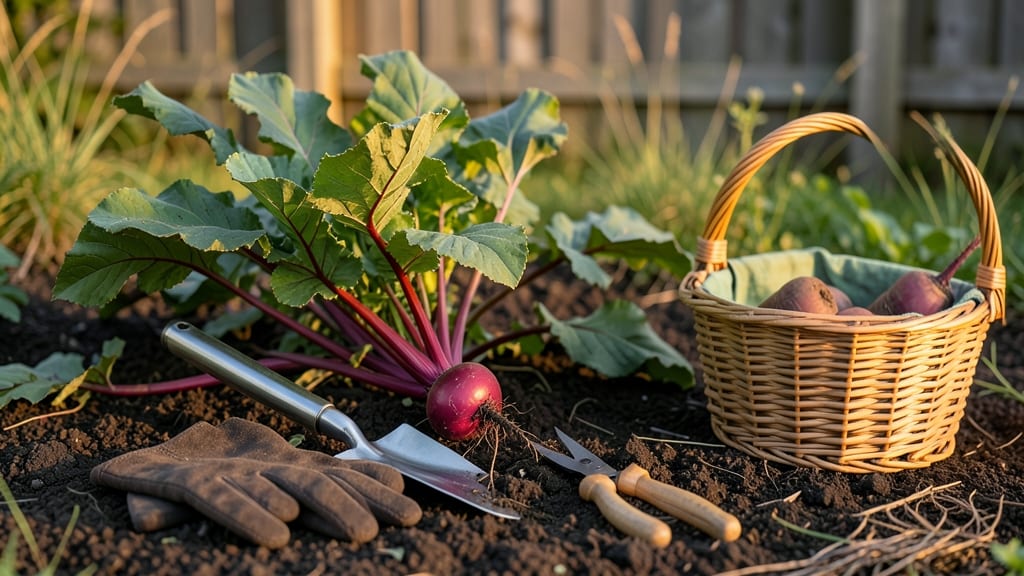
To pick beetroot from the garden at the perfect time means waiting for roots that are 1-3 inches wide and packed with sweet flavor—too soon or too late, and you’ll end up with either tiny nubs or tough, bitter messes.
Harvesting beetroot at the wrong stage can turn your hard work into disappointment, but the trick is simpler than you might think. A quick soil test or a peek at the leaves will tell you exactly when to dig, saving you from guesswork and wasted effort.
In this guide, I’ll walk you through the tender soil test, how to read the color and size of your 🟣 beetroot, and the best times to harvest based on your planting window—whether you’re in spring or late summer.
You’ll also learn the three biggest mistakes gardeners make (and how to avoid them), so you can enjoy perfectly sweet, tender beets every time you pull them from the soil.

How to test beetroot ripeness using the tender soil method
Harvesting beetroot at the perfect time transforms your garden into a treasure trove of sweet, tender roots—if you know what to look for. The tender soil method is my foolproof way to determine ripeness without digging up every plant.
This simple finger-pressure technique saves time and ensures you harvest at peak flavor. Whether you're growing deep red, golden, or striped varieties, this method works for all beetroot types.
Beetroot roots are ready to harvest when they reach a 1-3 inch diameter, but checking the soil first prevents disturbing young plants prematurely. The tender soil method relies on the firmness of the soil around the roots, which changes as they mature.
When the soil feels loose yet resistant to gentle pressure, it's time to dig. This approach works best in well-drained soil and avoids the guesswork of visual cues alone.
Step-by-Step: The Tender Soil Test for Beetroot
-
Step 1: Wait for the right conditions
Choose a dry, sunny day after watering to avoid compacted soil. This ensures the soil is workable but not soggy.
-
Step 2: Locate the plant base
Gently brush away surface mulch or loose soil to expose the soil around the stem. Avoid disturbing the leaves.
-
Step 3: Apply finger pressure
Press your fingertip firmly into the soil about 1-2 inches from the stem. The goal is to feel for resistance, not to dig.
-
Step 4: Assess soil firmness
Ready to harvest: Soil feels slightly resistant but gives way gently (like pressing into a ripe avocado). Not ready: Soil feels loose or crumbly (root is too small). Overripe: Soil feels rock-hard or compacted (root is woody).
-
Step 5: Verify root size
If the soil passes the test, use a garden trowel to dig around the root. Lift gently—roots should slide out easily if ready.
-
Step 6: Check the root
A ready beetroot will have a smooth, firm skin and a 1-3 inch diameter. If it’s smaller, leave it to mature; if larger, it may be past its prime.
✅ Pro Tip: Test 2-3 plants in a patch to ensure consistency before harvesting the entire row.
Timing is everything when harvesting beetroot. For baby beets, you can harvest as early as 45 days when roots are 1 inch or smaller. However, the tender soil method is most reliable for full-sized beets (60-75 days), where root size and soil firmness align perfectly.
If you’re growing for storage, aim for roots on the larger end of the 1-3 inch range—they’ll keep longer in a cool, dark place.
One common mistake is waiting too long, which turns sweet beetroot into woody, bitter roots. The tender soil method helps you avoid this by giving a clear signal before the roots become overripe.
For example, if the soil feels rock-hard and the roots are larger than 3 inches, the beetroot has likely developed a fibrous core, reducing tenderness. Always harvest in the morning when soil is cooler and roots are firmer.
Seasonal factors also play a role in soil firmness. In hot, dry climates, soil may harden faster, while cool, wet seasons keep it looser longer. Adjust your finger pressure accordingly—softer pressure works for wetter soil, while firmer pressure is needed in dry conditions.
Pay attention to the leaves too: healthy, deep green foliage (4-6 inches tall) is another sign of readiness.
For container-grown beetroot, the tender soil method still applies, but you’ll need to press around the edges of the pot where roots spread. If the soil feels ready, gently tip the pot to loosen the root ball before harvesting.
This method works equally well for heirloom varieties and hybrid types, making it universally applicable. Just remember: the key to sweet, tender beetroot is consistent soil moisture and regular testing.
Once you’ve mastered the tender soil method, you’ll never second-guess when to harvest again. This technique saves time, reduces waste, and ensures your beetroot is always at its peak. Start testing your plants now, and you’ll be enjoying homegrown, restaurant-quality beets in no time. Happy digging!
Color-coded beetroot ripeness chart: what shades mean for flavor & texture
Beetroot color isn't just about aesthetics—it's your flavor and texture guide. Deep red varieties like Detroit Dark Red develop rich, earthy sweetness when fully mature, while golden varieties like Chioggia stay tender and mild. Understanding these color cues helps you harvest at peak sweetness or store for later use.
For deep red beetroot, aim for a glossy, vibrant hue when roots reach 2-3 inches in diameter.
This indicates peak sweetness and tenderness. Pink varieties like Touchstone Gold reach ideal texture slightly earlier, around 1.5-2 inches, while striped types like Chioggia should be harvested when stripes are fully defined and crisp.
🌱
Harvest deep red beetroot when the skin is smooth and firm, but before it develops a woody texture.
For storage, leave them slightly smaller (1.5-2 inches) to prevent shriveling. Golden varieties should be picked when their color is fully developed, as they lose sweetness if left too long in the ground.
If your beetroot develops green shoulders, it's a sign of exposure to sunlight, which can make the flesh bitter. Cover the soil with mulch or straw to prevent this. For baby beetroot, harvest when roots are 1 inch in diameter—they'll be extra tender and sweet.
🌿
Pro tip: Dig a few test roots when they're half-sized to check flavor. If they're sweet and tender, your main harvest window is open! For long-term storage, harvest slightly earlier than peak ripeness to maintain quality.