
Container Gardens
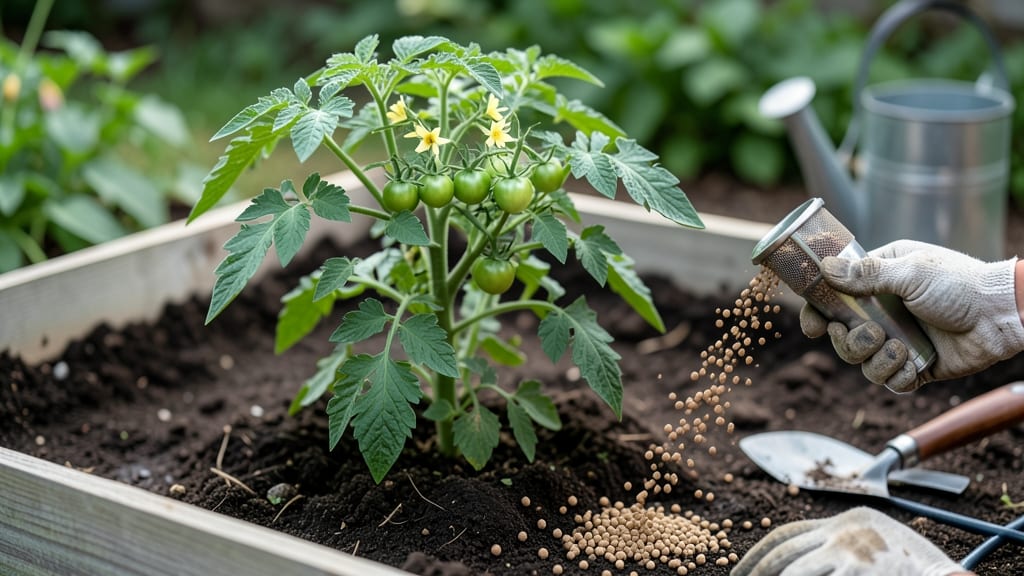
To add fertilizer to your garden, time it by plant type and soil needs: use slow-release granules in early spring before planting, apply liquid fertilizers every 4-6 weeks during active growth, and work in organic compost in fall to restore soil nutrients. Always test your soil first to prevent overfeeding.
Timing matters more than most gardeners realize. 🌱 Early spring is ideal for slow-release fertilizers because it gives nutrients time to establish before plants break dormancy, while liquid feeds during active growth (spring through summer) provide quick energy for foliage and fruit production.
Fall composting isn't just about feeding plants—it's about rebuilding soil structure for next year's growth. I've seen firsthand how skipping soil tests leads to wasted money and burned plants, so grab that test kit before making any fertilizer purchases.
Different plants have different needs too. Vegetables like tomatoes and peppers thrive with frequent light feedings, while perennials often prefer a single spring dose. Trees and shrubs usually need less frequent but heavier applications.
The key is matching your fertilizer schedule to your plants' natural growth cycles—not just throwing food at the soil whenever you remember.
💡 In This Article
- Best Fertilizer Timing for Different Plant Types
- Soil Testing and Fertilizer Application Guide
Best fertilizer timing for different plant types
Vegetable gardens demand the most frequent attention, especially for heavy feeders like tomatoes and peppers. These plants need balanced fertilizers (10-10-10 ratio) applied at planting, then every 2-3 weeks during their growing season. The reason?
Tomatoes, for example, produce fruit continuously for months, requiring steady nitrogen for leaf growth and potassium for fruit development. 🌿 What most gardeners miss is that overdoing nitrogen late in the season can delay ripening—so switch to a higher-phosphorus formula (like 5-10-10) when flowers appear to encourage blooming.
Flowering plants have different priorities. Annuals like marigolds and zinnias benefit from a low-nitrogen, high-phosphorus fertilizer (5-10-5) when they start blooming to promote vibrant flowers. Perennials, however, often prefer just one spring feeding with compost or slow-release granules.
I've noticed that roses, for instance, respond beautifully to a monthly liquid feed during their blooming season (May through July), but too much fertilizer can actually reduce flower quality by encouraging excessive foliage growth.
Trees and shrubs follow a completely different schedule. Established trees typically need fertilization only every 2-3 years in early spring, using a slow-release granular fertilizer spread over the root zone. Young trees, however, require more frequent feeding—every 6-8 weeks during their first growing season.
The key difference is that trees store nutrients in their roots and bark, so they don't need constant feeding like annuals. 🌳 For shrubs, a light application in early spring followed by a second dose in midsummer works best for most varieties.
Seasonal adjustments are crucial for perennials versus annuals. Perennials like lavender and coneflowers often go dormant in winter, so their nutrients should be replenished in early spring (March-April) before new growth begins.
Annuals, which complete their entire life cycle in one season, need more frequent feeding—typically every 3-4 weeks once established. The timing difference comes down to their growth patterns: perennials have built-in storage systems, while annuals rely on constant nutrient uptake.
Herbaceous plants like basil and cilantro have unique needs too. These fast-growing plants benefit from weekly liquid fertilizer applications during their active growth phase, but they're sensitive to over-fertilization. The secret is using a diluted fish emulsion (1-2 tablespoons per gallon of water) rather than concentrated formulas.
This gives them the quick nitrogen boost they need without causing salt buildup in the soil that can inhibit root growth.
Don't forget about lawns—they have their own timing rules. Cool-season grasses like fescue need four applications per year (early spring, late spring, early fall, late fall), while warm-season grasses like Bermuda grass thrive with two applications (early spring and late summer).
The difference comes from their growth cycles: cool-season grasses grow actively in cooler months, while warm-season grasses peak in summer heat.
Here's a pro tip: Always water your plants deeply before and after fertilizing to help nutrients reach the root zone.
For container plants, fertilize every 2-4 weeks during growing season, but cut back in winter when growth slows. 💫 The key is matching your fertilizer schedule to each plant's natural growth rhythm—not just following a one-size-fits-all approach.