
Planting
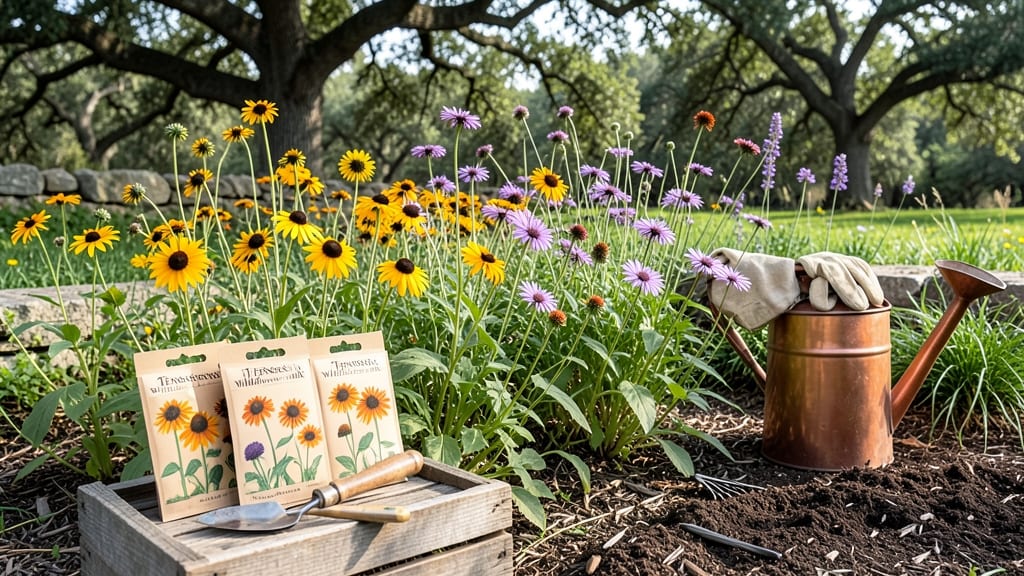
The best time to plant a garden in Tennessee is between early spring and late summer, when soil temperatures and frost-free windows align for peak growth.
If you’ve ever rushed to plant tomatoes only to see them wilt in a late frost, you know timing is everything. Tennessee’s climate—from the humid South to the cooler Appalachian highlands—means planting at the wrong time can spell disaster for your garden.
But when you get it right, you’re rewarded with lush harvests, fewer pests, and stronger plants from Nashville to Knoxville.
For General Garden Plants 🌱, the ideal window in zones 6a-7b is early spring (March–April) and late summer (August–September), when soil warms to at least 60°F. This schedule avoids frost damage while maximizing growing seasons, whether you’re sowing seeds or transplanting seedlings.
Below, I break down the exact weeks for starting seeds indoors vs. direct-sowing outdoors, regional adjustments, and how to prep your soil for success—so you can plant with confidence and enjoy a thriving garden all year.
Tennessee planting zones: when to start seeds vs. transplants by region
Tennessee spans USDA hardiness zones 5b to 8a, creating dramatic differences in planting windows from the Appalachian highlands (zone 5b) to the West Tennessee Delta (zone 8a). These zones dictate when to start seeds indoors, transplant seedlings, or sow directly outdoors.
Get it wrong, and you’ll face stunted growth or frost damage—get it right, and you’ll enjoy a thriving garden year-round.
For zone 5b (e.g., Bristol, Kingsport), your last frost date typically falls between April 15-30, while zone 8a (e.g., Memphis, Jackson) can start planting as early as February 15 for heat-loving crops.
Urban areas like Nashville (zone 7a) often experience microclimates—warmer pockets near buildings or cooler spots in shaded valleys—that can shift planting times by 2-3 weeks.
Below is your zone-specific planting timeline, including exact weeks for starting seeds indoors, transplanting seedlings, and direct-sowing outdoors. Use this as your guide to avoid common pitfalls like late frosts in the mountains or early heatwaves in the Delta.
🌱
| USDA Zone | Last Frost Date | Start Seeds Indoors | Transplant Seedlings | Direct-Sow Outdoors | Notes | ||||||||||||||||||||||||||||||
|---|---|---|---|---|---|---|---|---|---|---|---|---|---|---|---|---|---|---|---|---|---|---|---|---|---|---|---|---|---|---|---|---|---|---|---|
| 5b (Appalachian) | April 15-30 | Feb 15 - Mar 1 | Apr 15 - May 1 | May 15 - Jun 1 | Use row covers for early crops | ||||||||||||||||||||||||||||||
| 6a (East TN) | April 1-15 | Feb 20 - Mar 15 | Apr 1 - Apr 15 | Apr 20 - May 10 | Monitor soil temps (60°F+) | ||||||||||||||||||||||||||||||
| 6b (Middle TN) | March 25 - Apr 10 | Mar 1 - Mar 20 | Mar 25 - Apr 10 | Apr 1 - Apr 20 | Ideal for cool-season crops | ||||||||||||||||||||||||||||||
| 7a (Nashville) | March 15 - Mar 30 | Feb 28 - Mar 10 | Mar 15 - Mar 30 | Mar 1 - Mar 20 | Urban heat islands may shift dates | ||||||||||||||||||||||||||||||
| 7b (West TN) | March 1 - Mar 15 | Feb 15 - Feb 25 | Mar 1 - Mar 15 | Feb 20 - Mar 1 | Early planting for heat lovers | ||||||||||||||||||||||||||||||
| Month | West TN (Zones 7b-8a) | East TN (Zones 6a-7a) | Key Tips |
|---|---|---|---|
| January | Peas, spinach, onions (cool crops) | Peas, spinach, garlic, potatoes | Start seeds indoors for early transplants. Use row covers for frost protection. |
| February | Lettuce, carrots, radishes | Lettuce, carrots, broccoli, cabbage | Direct-sow cool-season crops. Test soil moisture—avoid soggy soil. |
| March | Tomatoes, peppers, beans (transplants) | Tomatoes, peppers, cucumbers, squash | Wait until soil reaches 60°F. Harden off transplants before planting. |
| April | Okra, sweet potatoes, corn | Sweet corn, green beans, zucchini | Monitor for pests like squash bugs. Mulch to retain moisture. |
| May | Southern peas, watermelon, cantaloupe | Cucumbers, melons, herbs (basil, cilantro) | Use shade cloth for young plants. Succession plant beans every 2 weeks. |
| June | Peppers, eggplant, heat-tolerant greens | Peppers, eggplant, collard greens | Water deeply in the morning. Watch for tomato hornworms. |
| August | Fall broccoli, kale, carrots (succession) | Fall lettuce, spinach, radishes, turnips | Direct-sow cool crops 6-8 weeks before first frost. Use row covers. |
| September | Garlic, onions, cover crops | Garlic, onions, cover crops, late tomatoes | Plant garlic in October for next year’s harvest. Mulch heavily. |
For East Tennessee gardeners, prioritize early spring plantings of cool-season crops like broccoli and cabbage, which can bolt in summer’s heat.
In West Tennessee, focus on heat-loving crops like okra and sweet potatoes, which struggle in cooler mountain climates. Succession planting is your secret weapon—sow fast-growing crops like radishes or lettuce every 2 weeks to keep your harvests bountiful.
Don’t forget herbs and flowers! Basil, cilantro, and marigolds thrive in Tennessee’s summers, while pansies and snapdragons add color to fall gardens. Container gard