
Planting
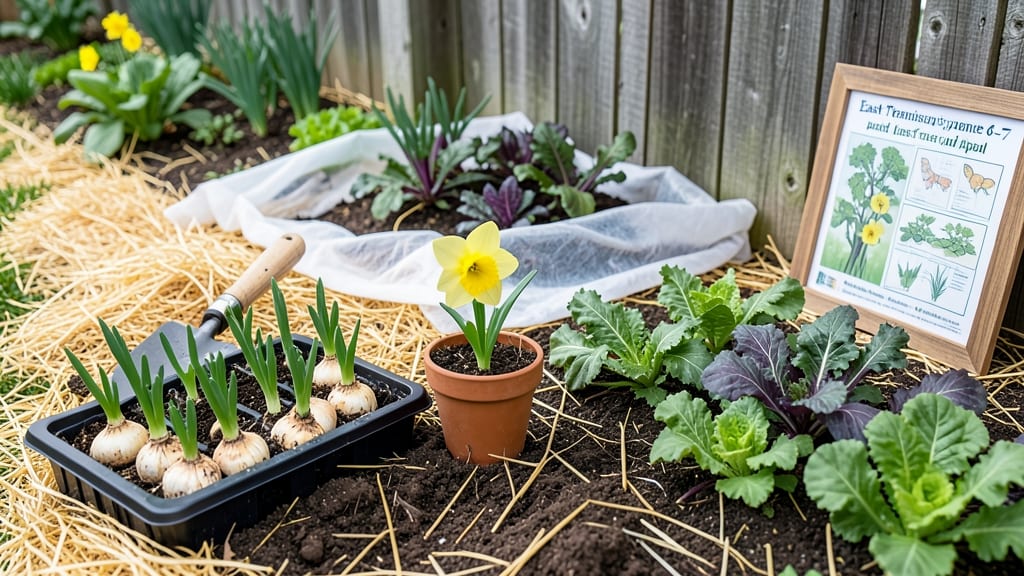
Planting your garden in East Tennessee at the right time means the difference between a lush summer harvest and a sad pile of wilted seedlings.
East Tennessee’s mild winters and humid summers create a gardener’s paradise—but timing your plantings wrong can mean wilted dreams instead of bumper crops. Mastering Zone 7A’s planting schedule ensures your vegetables, flowers, and herbs thrive year after year.
Cool-season crops like lettuce and peas need to hit the soil 4-6 weeks before your last frost, while tomatoes and peppers wait until after April 15 in most areas. High-altitude spots like Knoxville or Asheville may need an extra two weeks of patience.
Below, I break down the exact windows for every season, plus microclimate tweaks to keep your garden productive from spring through fall.
East Tennessee’s planting calendar: exact dates for vegetables, flowers, and herbs by season
East Tennessee’s Zone 7A climate gives gardeners a generous growing window—but only if you plant at the right time. The average last frost date in Knoxville is around April 15, while Asheville’s high elevation pushes it to May 1.
Meanwhile, the first frost typically arrives between October 15-30, depending on elevation. These dates are your planting compass.
Cool-season crops like kale and spinach thrive when soil temps hit 40-50°F, while warm-season favorites such as tomatoes and peppers need soil at 60°F+. Perennials like lavender and rosemary establish best in early spring or fall. Let’s break down your planting timeline by season and elevation.
Pro Tip: Use row covers to extend cool-season planting by 2-3 weeks in spring or 1-2 weeks in fall. This is especially helpful in Asheville’s Zone 6B areas where frosts linger longer.
| Category | Planting Window (Knoxville) | Planting Window (Asheville) | Notes |
|---|---|---|---|
| Cool-Season Vegetables | March 15 - April 15 (spring) August 1 - September 15 (fall) |
April 1 - May 1 (spring) July 15 - August 30 (fall) |
Examples: Lettuce, spinach, broccoli. Use row covers for earlier starts. |
| Warm-Season Vegetables | April 20 - May 15 (after last frost) | May 10 - June 1 (after last frost) | Examples: Tomatoes, peppers, beans. Soil must be 60°F+. |
| Perennial Flowers | March 1 - April 15 (spring) | April 1 - May 1 (spring) | Examples: Coneflowers, black-eyed Susans. Plant in well-draining soil. |
| Herbs | March 15 - April 30 (spring) August 1 - September 1 (fall) |
April 1 - May 15 (spring) July 15 - August 15 (fall) |
Examples: Basil, cilantro, rosemary. Basil prefers warm soil. |
| Succession Planting | Every 2-3 weeks until July 15 | Every 3-4 weeks until June 30 | Ideal for: Lettuce, radishes, bush beans. Extends harvests by 6-8 weeks. |
For warm-season crops, wait until the soil reaches 60°F—test with a soil thermometer. In Knoxville, this typically aligns with mid-April, while Asheville’s higher elevation may delay planting until early May.
Start tomato and pepper seeds indoors 6-8 weeks before your last frost date to give them a head start.
Don’t overlook fall planting—it’s when many gardeners get their most productive harvests. Broccoli, kale, and carrots planted in August often outperform spring plantings. Just be sure to choose cold-hardy varieties and use mulch to protect roots from early frosts.
Herbs like basil and cilantro love East Tennessee’s summer heat but bolt quickly. Plant basil after Memorial Day and cilantro in early spring or late summer for a second crop. Rosemary and thyme, however, thrive when planted in spring and given full sun.
Perennials like black-eyed Susans and bee balm establish best when planted in early spring or fall. Avoid transplanting them in summer heat, as they struggle to recover. Amend your soil with compost before planting to improve drainage—especially important in clay-heavy soils common in East Tennessee.
Remember: Succession planting
How to adjust planting times for East Tennessee’s microclimates and soil conditions
East Tennessee’s varied terrain—from Knoxville’s urban heat islands to the Appalachian Mountains—means one-size-fits-all planting times won’t work. Even within Zone 7A, microclimates can shift frost dates by 2-3 weeks, while clay-heavy soils in valleys drain poorly compared to rocky slopes.
Understanding these differences lets you avoid bolting greens or frost-killed tomatoes.
Urban gardens often face 5-10°F warmer temperatures than rural areas, pushing warm-season crops like peppers and eggplants to mature faster. Meanwhile, high-elevation spots above 2,000 feet (like parts of Sevier County) may experience frost 2 weeks later than Knoxville.
Adjust your schedule by 10-14 days earlier in cities and 7-10 days later in mountainous regions.
Clay soils, common in East Tennessee valleys, hold moisture but suffocate roots if not amended. Test your soil’s drainage rate—if water pools after 6 hours, mix in compost or sand to improve aeration.
For succession planting, sow fast growers like radishes or lettuce every 2 weeks from April to September to stretch harvests.
⚠️ Microclimate Mistakes to Avoid
Planting warm-season crops too early in cool mountain pockets causes stunted growth or bolting. Conversely, cool-season crops in urban heat islands may bolt prematurely if sown before May 15. Always check local frost dates—Knoxville’s average last frost is April 15, but Asheville’s can be May 1.
Soil prep tip: Add 2-3 inches of mulch to clay soils to prevent crusting and improve moisture retention.
For succession planting, prioritize fast-maturing varieties like bush beans (50 days) or bok choy (30 days). In urban gardens, use container growing to move heat-sensitive plants like cucumbers to shadier spots by July 1.
In mountainous areas, extend the season by covering seedlings with row fabric until soil warms to 60°F.
Watch for early morning frost warnings in September—even Zone 7A can see light frosts. Protect tomatoes and peppers with frost cloth or move potted plants indoors. Perennials like lavender thrive in East Tennessee’s clay soils but need well-draining spots to avoid root rot.
Adjust your watering schedule too: urban areas may need daily watering in summer, while mountain slopes dry out faster due to wind exposure. Use drip irrigation to deliver 1 inch of water weekly consistently, reducing stress on plants adapting to changing microclimates.
By fine-tuning your planting times for local conditions, you’ll double your harvests and minimize losses. Start with small test plots in different microclimates to refine your approach—your East Tennessee garden will thank you! 🌿