
Planting
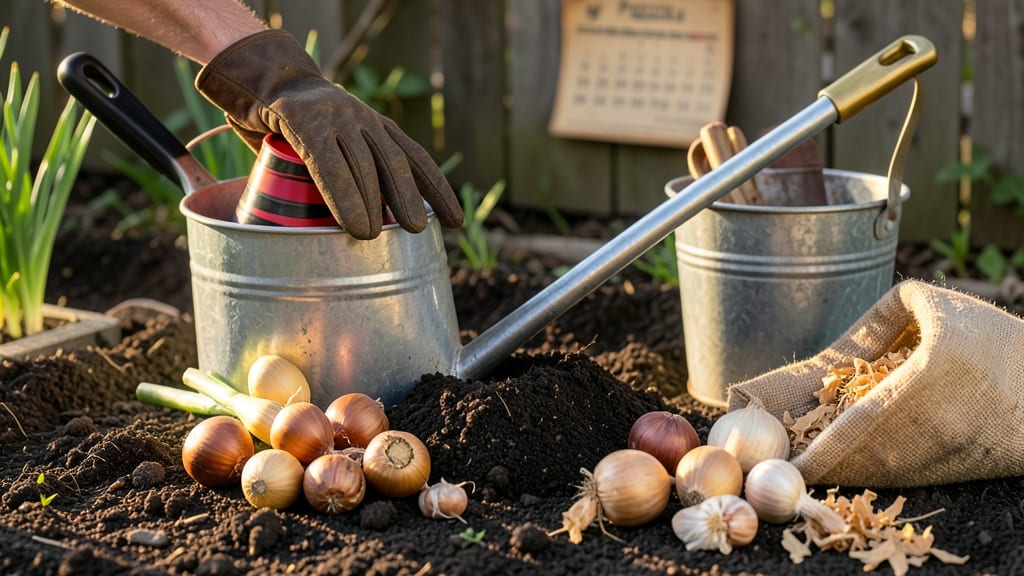
Planting bulbs in the garden at the right time ensures perfect blooms next spring—whether you're in chilly Zone 6a or a warmer region, timing is everything.
Picture this: you’ve spent months dreaming of vibrant tulips or fragrant hyacinths, only to watch them fail because you planted too early or too late. The key? Knowing your first frost date and when to tuck those 🌱 bulbs into the soil for maximum success.
Fall is the magic window for most gardeners—4 to 6 weeks before frost—but spring planting works too, especially for late bloomers. I’ll break down the exact months for your USDA zone, plus how to adjust for early or late seasons without sacrificing those showstopping blooms.
By the end, you’ll know not just when to plant, but how to prep your soil, choose the right depth, and even troubleshoot common mistakes—so your garden bursts into color like clockwork.
Best planting months for garden bulbs by USDA zone
Planting bulbs at the right time ensures they establish strong roots before winter dormancy or summer heat. Most bulbs thrive when planted in fall for spring blooms, but warm climates often shift to early spring planting.
Your USDA zone determines the exact window—too early, and bulbs rot; too late, and they won’t bloom. Let’s break down the perfect timing for tulips, daffodils, crocuses, and more across zones 3 through 11.
Fall planting is ideal for most bulbs because it gives roots time to grow before freezing temperatures. In colder zones (3–7), aim for 4–6 weeks before the first frost.
Warmer zones (8–11) can plant in late fall or early winter, but spring planting is safer to avoid summer heat stress. Always check your local frost dates—they’re your planting deadline.
Here’s a quick guide to help you plan. For precise timing, refer to the USDA zone map and adjust based on your microclimate (e.g., urban areas may frost earlier than rural ones).
| USDA Zone | Fall Planting Window | Spring Planting Window | Best Bulbs for Zone |
|---|---|---|---|
| 3–5 (Cold Climates) | September 15–October 15 | Early April–May 1 | Tulips, Daffodils, Crocuses, Hyacinths |
| 6–7 (Temperate) | October 1–November 1 | March 15–April 15 | Alliums, Fritillaries, Snowdrops |
| 8–9 (Mild Winters) | November 15–December 15 | January 1–February 15 | Daffodils, Rain Lilies, Cyclamen |
| 10–11 (Warm Climates) | December 15–January 15 | February 15–March 15 | Paperwhites, Caladiums, Canna Lilies |
In USDA zones 3–5, where winters are harsh, focus on fall planting for tulips and daffodils. These bulbs need cold stratification to bloom, so planting in September or October ensures they’re ready for spring.
If you miss the fall window, early spring planting (March–April) is your backup, though blooms may be delayed.
For zones 6–7, flexibility exists. Plant in late October or November for fall, or wait until March–April if soil is workable. In these zones, alliums and fritillaries thrive with slightly later planting, as they tolerate cooler soils better than tulips.
Warmer zones (8–11) often shift to spring planting to avoid summer heat. Bulbs like paperwhites and rain lilies can even be planted in winter months (December–January) for early spring blooms. The key is to plant when soil temps drop below 60°F (15°C) to prevent rot.
Adjust for microclimates—urban areas may frost earlier than rural zones. If your yard is prone to late frosts, opt for early spring planting of hardy bulbs like daffodils, which tolerate light frosts. Always plant bulbs 2–3 times their diameter deep and in well-draining soil to prevent rot.
Pro tip: Use a soil thermometer to check temps. Bulbs should go into soil that’s below 60°F (15°C) but not frozen. In zones 10–11, spring planting in February–March is safest, as summer heat can stress newly planted bulbs.
Don’t forget to mulch after planting to insulate bulbs from extreme temps. In cold zones, a 3-inch layer of mulch protects roots; in warm zones, mulch conserves moisture. Water deeply after planting to settle soil around bulbs—this encourages root growth before dormancy.
Timing isn’t just about the calendar; it’s about soil conditions and bulb hardiness. For example, crocuses can handle earlier planting than tulips, while hyacinths need cooler soils. Always match your bulbs to your zone’s last frost date and soil prep time.
With the right timing, your garden will explode with color year after year. Start planning now—whether you’re a fall planter or a spring starter, bulbs are the easiest way to add drama to your landscape. Happy planting! 🌷
How to adjust planting times for early or late blooms
Want to extend your blooming season or force early spring flowers indoors? Adjusting planting times is the secret. Many gardeners miss the chance to enjoy paperwhite narcissus in winter or tulips weeks ahead of schedule by following simple timing tricks.
The key lies in understanding soil temperatures and bulb dormancy cycles, which I’ll break down for you.
Forcing bulbs indoors is one of my favorite ways to bring color to dark winter months. Paperwhite narcissus and hyacinths are perfect candidates because they thrive in shallow containers with minimal space.
Start by selecting healthy bulbs—look for firm, dry ones without soft spots or sprouts. Place them in a shallow dish with pebbles and just enough water to touch the base.
Here’s how to time it perfectly for early blooms:
- 1 Choose the right bulbs: Paperwhites and hyacinths are ideal for forcing. Plant them 8-10 weeks before your desired bloom date.
- 2 Monitor soil temps: Bulbs need 40-50°F soil temps to root. Use a heating mat if your home runs cooler.
- 3 Layer for perennials: For daffodils or alliums, plant in layers (new bulbs on top of old ones) to extend blooms over multiple years.
- 4 Adjust for late blooms: Plant late-blooming varieties (like tulipa 'Darwin Hybrid') 2-3 weeks later than standard types.
- 5 Troubleshoot delays: If blooms are late, check for overcrowding or poor drainage. Add compost and space bulbs properly.
For outdoor gardens, extending bloom seasons often comes down to layering techniques. If you’re in USDA Zone 5-7, plant early-blooming bulbs like crocuses in fall, followed by tulips and daffodils a few weeks later.
This staggered approach ensures continuous color from early spring to summer. In warmer zones (8-10), focus on fall-planted bulbs like paperwhites or amaryllis for winter blooms.
One common mistake is planting too early, which can lead to premature sprouting or even rot if temperatures fluctuate. Always wait until soil temps drop below 60°F for fall planting.
For spring planting, hold off until the ground thaws but before active shoots appear above ground. This balance is crucial for healthy root development.
With these adjustments, you can enjoy vibrant blooms weeks earlier—or extend your garden’s beauty well into autumn. Experiment with different varieties and timing to find what works best for your climate! 🌷