
Planting
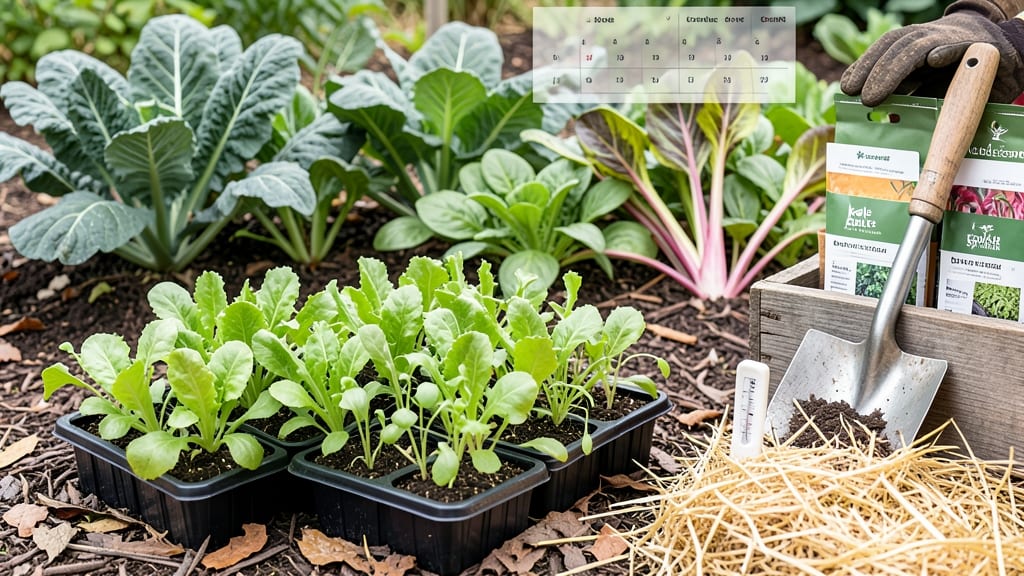
Planting a garden in Michigan at the right time means the difference between a bountiful harvest and a sad, frost-nipped failure.
Michigan’s unpredictable spring weather can turn a gardener’s excitement into frustration—plant too early and risk frost damage, too late and miss peak harvests.
Timing is everything, but knowing exactly when to plant in Michigan’s diverse zones (from Upper Peninsula cold to Lower Peninsula warmth) can mean the difference between a thriving garden and a sad, wilted failure.
Most Michigan gardeners focus on the spring window (mid-April to mid-May), but fall planting (late August to early September) offers a second chance for cool-season crops like spinach and kale.
The key is understanding your USDA zone (5b-6b), tracking frost dates, and adjusting for microclimates—whether you’re near Lake Michigan’s moderating influence or in a sheltered urban pocket.
In this guide, I’ll break down the best planting schedule for Michigan’s top crops, share pro tips to extend your season, and help you avoid common mistakes that waste time and money. Ready to grow?
Michigan’s frost-free dates by USDA hardiness zone: when to plant cool vs warm-season crops
Michigan spans USDA hardiness zones 4a through 6a, meaning frost dates vary dramatically from the Upper Peninsula’s chilly zone 4a to the Lower Peninsula’s milder zone 6a. These differences dictate when to plant cool-season crops like spinach and peas versus warm-season crops like tomatoes and peppers.
Getting the timing right ensures your garden thrives instead of wilts.
For cool-season crops, start seeds indoors 4-6 weeks before your last frost date, while warm-season crops need to wait until 2-3 weeks after the last frost.
But Michigan’s frost dates aren’t set in stone—some years, you might get an early frost in May or a late one in June, so flexibility is key. Here’s how to navigate Michigan’s zones and adjust for unpredictable weather.
Note: Always check local Almanac frost predictions or use a frost-free date calculator for your specific zip code. Urban areas like Detroit often warm up faster than rural zones, creating microclimates that can extend your growing season by 1-2 weeks.
In zone 4a, where winters are harshest, focus on cold-hardy crops like kale, peas, and potatoes. These can handle light frosts and even thrive in early spring plantings.
Meanwhile, zone 6b gardeners can push the envelope with early tomatoes or peppers by using row covers or cold frames to extend the season.
For warm-season crops, wait until the soil temperature reaches at least 60°F—a simple soil thermometer ($10 at garden centers) makes this easy to check. In cooler zones like 5a, start seeds indoors in March and transplant after the last frost.
In zone 6b, you can direct-sow beans and cucumbers as early as April 15 if the weather cooperates.
If you’re in a transition year with an early frost in June, opt for fast-maturing varieties like bush beans (50 days) or radishes (25 days).
For late summers, prioritize fall crops like spinach and kale, which can handle light frosts and even taste sweeter after a touch of cold.
Pro tip: Use Michigan State University’s Garden Guide (msue.anr.msu.edu) for zone-specific recommendations. Their interactive map lets you plug in your zip code for hyper-local advice. And don’t forget—succession planting every 2 weeks after your last frost keeps your harvests rolling in!
🌱
Best planting schedule for Michigan’s top 10 vegetables: from asparagus to zucchini
Michigan’s short growing season demands precision when planting vegetables. Cool-season crops like spinach and peas thrive in early spring, while warm-season favorites such as tomatoes and zucchini need to wait until after the last frost.
Understanding these timelines ensures you maximize harvests—whether you're growing asparagus crowns (which take patience) or quick-sprouting radishes for a fast salad fix.
For Michigan’s diverse zones (5b-6a), I’ve tailored planting windows to avoid frost damage while aligning with each crop’s maturity rate. Slow growers like corn and pumpkins need early starts, while fast growers such as arugula can be sown repeatedly for continuous harvests.
Succession planting is key—especially for lettuce and herbs—to keep your kitchen stocked all season long.
- Asparagus crowns: Plant in early spring (March–April) for harvests in years 2–3. Avoid transplanting after June 15.
- Peas & spinach: Sow 4–6 weeks before last frost (March–April). Ideal for cool soils (40–50°F).
- Tomatoes & peppers: Wait until 2–3 weeks after last frost (mid-May). Start indoor seedlings in March.
- Corn & squash: Plant after soil warms to 60°F (late May). Use black plastic mulch to speed warming.
- Lettuce & arugula: Succession plant every 2–3 weeks from April to July for continuous harvests.
- Zucchini & cucumbers: Sow after last frost (mid-May). Harvest in 60–70 days for peak flavor.
- Radishes: Fastest grower—sow every 2 weeks from April to August for 30-day harvests.
- Fall crops (kale, carrots):** Plant late July–August for harvests before first frost (mid-October).
Don’t overlook fall planting—it’s a gardener’s secret weapon. Broccoli, carrots, and kale planted in late summer can withstand light frosts, delivering fresh harvests when spring crops fade. I’ve even extended my season by 6 weeks using row covers for late-planted greens.
For herbs like basil and cilantro, succession planting every 3–4 weeks ensures you never run out of fresh leaves for cooking.
Pro tip: Use Michigan’s microclimates to your advantage. Urban areas often warm up faster than rural zones, while lakeside gardens may experience delayed frosts. Adjust your planting dates by 1–2 weeks based on your specific location. For example, Detroit’s Zone 6b can support earlier plantings than Marquette’s Zone 4b.
If you’re new to Michigan gardening, start with easy-to-grow crops like bush beans, lettuce, and radishes to build confidence. These tolerate slight timing mistakes better than finicky eggplants or melons.
Once you master the basics, experiment with heirloom varieties that thrive in Michigan’s climate—like ‘Sugar Ann’ peas or ‘Howes Golden’ sweet corn.
Remember: Soil temperature matters more than air temperature. Use a soil thermometer to confirm when to plant warm-season crops—60°F+ is ideal for seeds like beans and squash.
For cool-season crops, aim for 40–50°F soil temps to avoid stunted growth. With these timing tricks, you’ll turn Michigan’s short season into a bounty of homegrown goodness.