
Planting
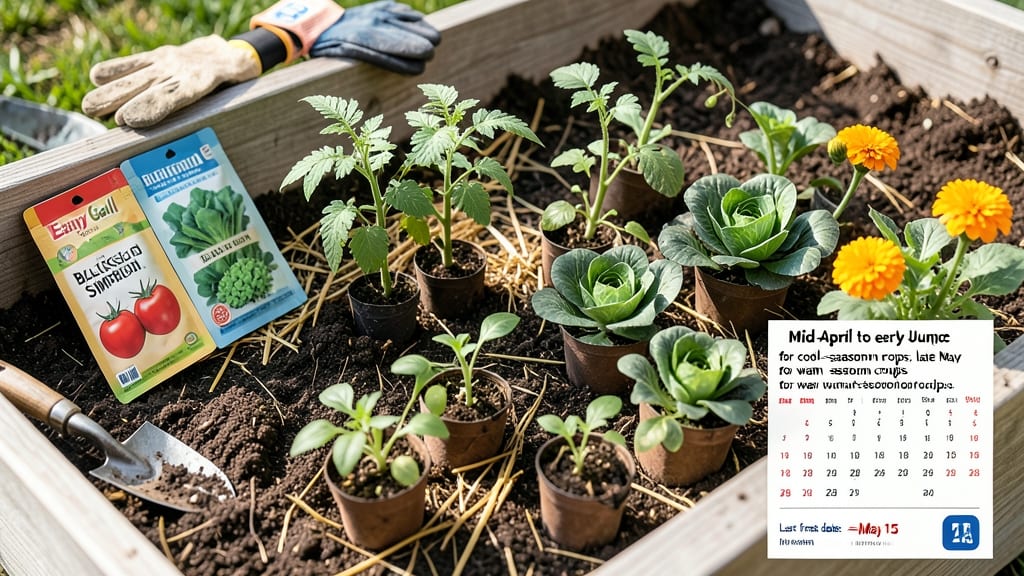
Planting your garden in Michigan at the right time means the difference between a bountiful harvest and a wasted season—and the clock starts ticking as soon as the snow melts.
Michigan’s unpredictable spring frost can turn your gardening dreams into a gamble—unless you know the exact timing for planting each crop. Get the right schedule, avoid costly mistakes, and maximize your harvest with zone-specific planting dates tailored for Michigan’s climate.
From the Upper Peninsula’s shorter growing season to Southern Michigan’s longer frost-free days, the USDA zones 5b-6b demand precision. Miss the window, and you’ll either face stunted plants or late-season heat that ruins your tomatoes before they ripen.
In this guide, you’ll discover the ideal planting calendar for your region, plus pro tips to outsmart frost, soil conditions, and Michigan’s famously variable weather. Let’s get those seeds in the ground the right way—the first time.
Michigan’s planting zones & last frost dates by region
Michigan’s USDA planting zones range from 5a to 6b, creating distinct growing seasons across the state. The Upper Peninsula typically falls in zones 4b-5a, while the Northern Lower Peninsula sits in 5a-5b, and Southern Michigan enjoys milder 5b-6b conditions.
These zones directly impact your last frost dates, which vary dramatically—sometimes by weeks—between regions.
Knowing your exact last average frost date is critical because planting too early can kill frost-sensitive crops like tomatoes and peppers, while waiting too long may shorten your growing season.
For example, Southern Michigan gardeners often see their last frost around May 15, while Upper Peninsula growers might not reach that milestone until June 1.
To pinpoint your region’s frost dates, check Michigan State University’s historical frost data (available on their Garden Guide website). Their records show that first frost dates in fall also vary—Southern Michigan averages October 10, while the Upper Peninsula can see frost as early as September 20.
This means your frost-free growing season could be as short as 120 days in the north or stretch to 180 days in the south.
Here’s how to use this data for precision planning: Start cold-hardy crops like spinach and peas 4-6 weeks before your last frost date. For warm-season vegetables, wait until 2 weeks after the average last frost to transplant seedlings. Fall crops should go in 6-8 weeks before your first frost.
Pro Tip: Use row covers or cold frames to extend your season by 2-4 weeks in both directions. These tools let you plant earlier in spring and harvest later in fall without risking frost damage.
| Region | USDA Zone | Avg. Last Frost | Avg. First Frost | Frost-Free Days | Key Crops to Plant Early |
|---|---|---|---|---|---|
| Upper Peninsula | 4b-5a | May 25 - June 1 | September 15-20 | 120-140 days | Peas, spinach, kale |
| Northern Lower Peninsula | 5a-5b | May 10-15 | September 25-October 5 | 150-160 days | Lettuce, radishes, broccoli |
| Southern Michigan | 5b-6b | May 1-10 | October 10-15 | 160-180 days | Tomatoes, peppers, beans |
📅 Use these dates as guidelines—check local weather forecasts weekly for real-time updates.
If you’re in zone 5a or colder, prioritize fast-maturing varieties and focus on cool-season crops that thrive in shorter seasons. For example, bush beans (50-60 days to harvest) work better than pole beans (70+ days).
In zone 6b, you can experiment with longer-season crops like sweet corn or melons, but still plant them early to avoid late-summer heat stress.
For perennials and shrubs, timing matters too. Plant bare-root plants in early spring (March-April) or fall (September-October) when the ground isn’t frozen. Container-grown perennials can go in until 2 weeks before your first frost, giving them time to establish roots before winter.
Don’t forget to harden off seedlings before transplanting—especially in Michigan’s unpredictable spring weather. Gradually expose them to outdoor conditions over 7-10 days to prevent shock. This is crucial for tomato and pepper seedlings, which are particularly sensitive to temperature swings.
For real-time updates, bookmark the Michigan State University Extension’s Garden Calendar. Their tools include countdowns to frost and region-specific planting reminders that adapt to your exact location. With this data, you’ll avoid the heartbreak of frost-nipped seedlings and maximize your garden’s potential.
Best planting schedule for Michigan’s top vegetables & flowers
Michigan’s gardening season hinges on timing—plant too early and frost will strike, too late and you’ll miss peak harvests. The key is understanding cool-season crops that thrive in spring’s chill and warm-season plants that need soil warmth to germinate.
Southern Michigan’s Zone 6a offers a longer window than the Upper Peninsula’s 4b, but both regions benefit from staggered planting to extend yields.
For cool-season vegetables like lettuce, spinach, and peas, start seeds indoors by late March for early April transplants. These hardy crops tolerate light frosts and can even overwinter under mulch.
Meanwhile, warm-season favorites—tomatoes, peppers, and beans—demand patience. Soil must reach 50°F+ before planting, typically mid-May to early June after the last frost.
🌱 Numbered Highlights: Michigan Planting Timeline
- 1 Early Spring (March–April): Start cool-season seeds indoors (lettuce, spinach, peas) or direct-sow hardy crops like kale and radishes under row covers.
- 2 Late April–Early May: Transplant cool-season seedlings (broccoli, cabbage) and sow fast-growing crops (radishes, arugula). Warm up soil with black plastic for early warm-season starts.
- 3 Mid-May–Early June: Plant warm-season crops (tomatoes, peppers, beans) after last frost (May 10–20 in Southern MI, June 1–10 in UP). Use straw mulch to retain heat.
- 4 July–August: Succession plant bush beans, cucumbers, and squash for fall harvests. Start cool-season flowers (marigolds, pansies) for late-season color.
- 5 Late August–September: Plant fall crops (spinach, kale, carrots) for harvest before first frost (October 10–20). Extend season with cold frames or low tunnels.
Flowers like marigolds and petunias follow warm-season timing, but pansies and snapdragons thrive in cooler weather. For extended blooms, plant marigolds in May and August—they deter pests and attract pollinators.
My top tip: Use succession planting for beans and lettuce every 2–3 weeks to ensure a steady harvest.
Michigan’s first frost arrives earlier in the north, so adjust your schedule accordingly. In Southern Michigan (Zone 6a), you might squeeze in two tomato harvests—one in June and another from late-summer plants.
In the Upper Peninsula (Zone 4b), focus on fast-maturing varieties and prioritize cool-season crops for longer yields.
Pro tip: Monitor MSU’s frost data (msue.anr.msu.edu) for real-time updates. If frost threatens, cover tender plants with frost cloth or row covers. With this schedule, you’ll avoid the common mistake of planting warm-season crops too early—only to watch them wilt in a late frost.
Start with cool-season crops in spring, transition to warm-season plants after last frost, and end with fall vegetables for a bountiful season. Your garden’s success hinges on these timing windows—master them, and you’ll enjoy fresh produce from May through October!