
How To
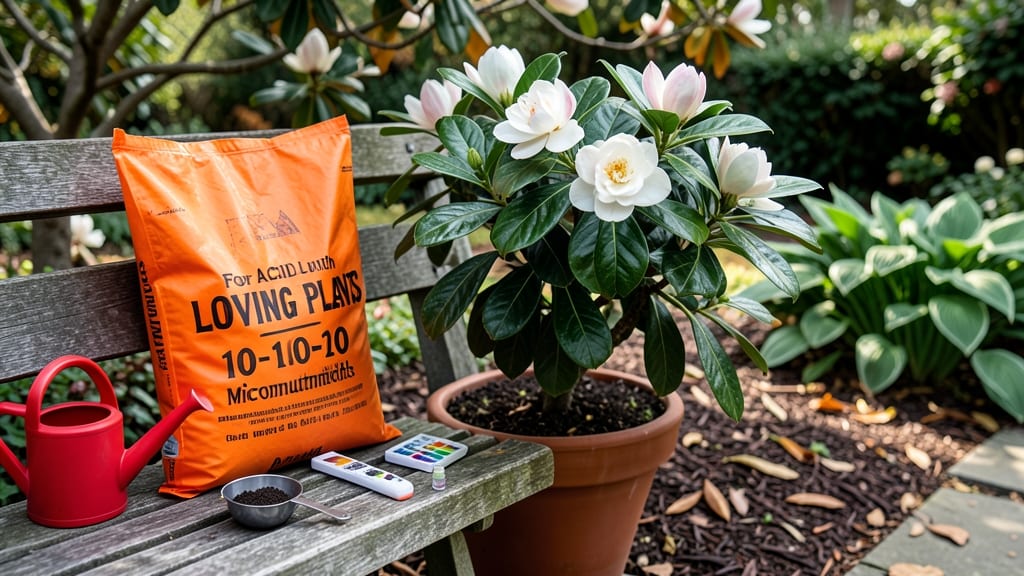
To fertilize gardenias at the right time means catching them in their spring and summer growth spurt—when those glossy leaves and fragrant blooms are just getting started.
Struggling to keep your gardenia blooming as beautifully as it did when you first planted it? The secret often lies in knowing when—not just how—to fertilize these fragrant favorites.
Most gardeners skip feeding in fall and winter, when the plant slows down, but that’s exactly when you set the stage for next year’s showstopping blooms.
Below, I’ll walk you through the month-by-month schedule for feeding, plus how to tell if your gardenia is begging for nutrients—or if you’re overdoing it.

Optimal fertilizing schedule for gardenias by season
Gardenia plants thrive when fertilized at the right times—timing matters more than quantity. These fragrant shrubs need a seasonal feeding schedule to produce abundant blooms while avoiding stress. In temperate climates, gardenias follow a clear spring-to-summer feeding cycle, while tropical varieties may require adjustments for year-round growth.
The key is matching fertilization with your plant's natural growth phases.
Most gardenias enter their active growth phase in spring, making this the ideal time to kickstart feeding. By late summer, you’ll taper off to let the plant prepare for dormancy.
Understanding these cues ensures your gardenia stays healthy and blooms prolifically. Let’s break down the perfect schedule by season—plus how to adapt for your local climate.
🌸
| Season | Fertilizing Goal | Frequency | Best Fertilizer Type | Climate Notes |
|---|---|---|---|---|
| Spring (March-May) | Kickstart growth & blooms | Every 4-6 weeks | Acid-loving 8-3-9 or slow-release granules | Temperate: Start after last frost. Tropical: Feed lightly year-round. |
| Summer (June-August) | Maintain blooms & root health | Every 6-8 weeks (reduce in heat) | Balanced 10-10-10 (diluted) | Avoid fertilizing in extreme heat (risk of burn). |
| Fall (September-November) | Encourage dormancy | None (skip) | N/A | Temperate: Stop feeding 6 weeks before first frost. Tropical: Light feed if growing. |
| Winter (December-February) | Dormancy period | None (skip) | N/A | Temperate: Avoid all feeding. Tropical: Minimal feeding if flowering. |
In spring, your gardenia signals readiness to feed with new leaf growth. This is when you should apply a slow-release, acid-loving fertilizer (like 8-3-9) to support bud formation. For tropical climates, you can extend feeding into early fall, but always reduce frequency as temperatures drop.
The goal is to mirror the plant’s natural energy cycles—feeding when it’s actively growing and resting when it’s not.
During summer, gardenias need less frequent feeding to prevent stress from heat. If your plant is in full bloom, a light application of balanced fertilizer (10-10-10) every 6-8 weeks keeps nutrients steady.
Always water thoroughly before and after applying fertilizer to avoid root burn. In hot, dry climates, morning applications are best to reduce evaporation and fungal risks.
By late summer, you’ll notice slower growth and fewer blooms—this is your cue to tapering off fertilizers. In temperate zones, stop feeding entirely by September to let the plant prepare for dormancy.
For tropical gardenias, a very light feeding (half-strength) can continue into early fall if growth persists. The key is to avoid shocking the plant with sudden changes.
In fall and winter, gardenias in temperate climates enter dormancy, so no fertilization is needed. This rest period allows roots to strengthen for next year’s blooms.
If you live in a tropical or mild-winter zone, your gardenia may continue growing—and thus may need occasional light feeding to sustain blooms. However, always use a low-nitrogen fertilizer (like 6-6-6) to avoid excessive foliage at the expense of flowers.
One common mistake is over-fertilizing in late summer, which can lead to weak stems and fewer blooms. To avoid this, always check the soil moisture before feeding—dry soil means the plant is ready for nutrients, while soggy soil signals a pause.
For potted gardenias, flush the soil with water after fertilizing to prevent salt buildup, which can harm roots.
Pro tip: Test your soil’s pH in early spring (gardenia thrives at 5.0-6.5). If your soil is too alkaline, amend it with sulfur or peat moss before fertilizing.
A happy gardenia starts with the right soil chemistry, and timing your fertilizing schedule around this ensures your plant’s needs are met year-round.
🌿
Signs your gardenia needs fertilizer (and when to avoid it)
Your gardenia might be silently screaming for nutrients if its leaves are turning yellow between the veins.
This classic chlorosis sign often means your plant is starving for iron or other essential nutrients. Slow growth during spring and summer is another red flag—healthy gardenias should be growing actively during these months.
Don't ignore bud drop either. If your gardenia forms buds but they fall off before blooming, it could signal nutrient deficiency or stress from improper feeding. Even pale green leaves or stunted stems are clear signals it's time to reassess your fertilizer routine.
When to Fertilize Gardenia
Only fertilize in spring and summer when you see new growth beginning. Avoid fertilizing in fall or winter—this is when gardenias enter dormancy. Over-fertilizing can cause nutrient burn, turning leaf edges brown and crispy. If you've fertilized recently and see these signs, flush the soil with water immediately.
Before adding fertilizer, check your soil pH. Gardenias thrive in acidic soil (pH 5.0-6.5). If your soil is too alkaline, nutrients become unavailable even if you're fertilizing correctly. A simple soil test kit can reveal if pH adjustment is needed before adding more nutrients.
Watch for leaf curl or stunted new growth after fertilizing—these are classic signs of over-fertilization. If you suspect this, stop feeding immediately and water deeply to help leach excess salts from the root zone. Mulch lightly with pine bark or peat moss to help stabilize soil conditions.
Remember, less is often more with gardenias. They prefer balanced, slow-release fertilizers rather than heavy doses. If you're unsure, start with half the recommended dose and monitor your plant's response closely over the next few weeks.
Finally, observe your gardenia's blooming pattern. Healthy gardenias bloom spring through summer with minimal effort. If blooms are sparse or non-existent, it might be time to adjust your fertilizer schedule—but only after ruling out other issues like light exposure or water stress.