
Vegetables
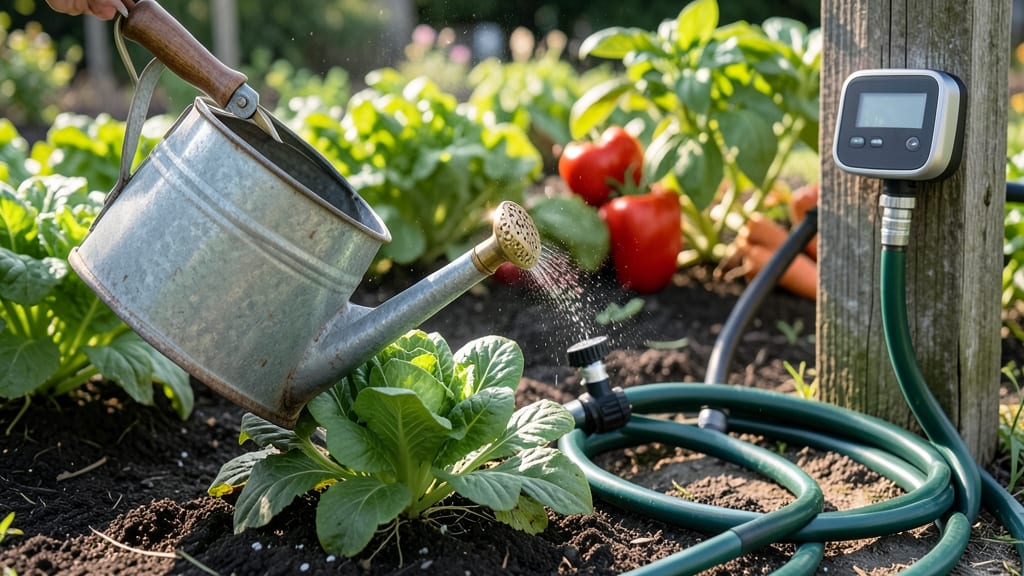
Watering your vegetable garden at the best time of day can double your harvest by keeping roots hydrated and leaves dry—here’s the science-backed schedule that saves you time and stress.
Struggling to decide whether to water in the morning sun or evening breeze? The right timing can mean the difference between thriving plants and wasted water—and we’re breaking down the science behind optimal hydration for your crops.
Morning watering (before 9 AM) reduces evaporation and fungal risks, while evening sessions may work in extreme heat—but only if you follow the three key rules we’ll cover next.
From leafy greens to root vegetables, discover how to match your watering schedule to your garden’s needs, climate, and even the moisture demands of each plant type.
Morning watering benefits for vegetable gardens: why early hydration boosts growth
Watering your vegetable garden in the morning isn’t just tradition—it’s science-backed strategy for healthier plants. When you water between 5-9 AM, you tap into cooler temperatures and lower wind speeds, allowing 80% more water absorption than evening sessions.
This early hydration sets the stage for robust growth all day long.
The key advantage? Reduced evaporation. Morning water gives roots time to soak up moisture before the sun peaks, preventing water waste and ensuring your tomatoes, peppers, and leafy greens get the hydration they need without stress. Plus, damp foliage dries quickly, minimizing fungal risks like powdery mildew.
For leafy greens like spinach and lettuce, morning watering is especially critical. These plants thrive on consistent moisture but hate soggy roots. Early hydration keeps them crisp while preventing bolt (premature flowering) caused by uneven water stress.
Root vegetables like carrots and beets also benefit—their taproots develop deeper when soil stays evenly moist.
Let’s compare morning vs. other watering times to see why early hydration wins for most vegetable gardens.
| Timing | Water Absorption | Evaporation Loss | Fungal Risk | Best For |
|---|---|---|---|---|
| 5-9 AM (Morning) | ⭐⭐⭐⭐⭐ (High) | ⭐ (Low) | ⭐ (Low) | Leafy greens, root veggies |
| 10 AM-2 PM (Midday) | ⭐ (Very Low) | ⭐⭐⭐⭐⭐ (High) | ⭐⭐ (Moderate) | Drought-prone regions only |
| 6-9 PM (Evening) | ⭐⭐ (Low) | ⭐⭐ (Moderate) | ⭐⭐⭐⭐ (High) | Humid climates (limited use) |
Morning watering also helps prevent fungal diseases like early blight and downy mildew. When you water in the evening, moisture lingers on leaves overnight, creating the perfect environment for pathogen growth. But with morning hydration, foliage dries quickly under the sun’s rays, keeping your plants healthier and more productive.
Another advantage? Temperature regulation. Cooler morning soil means roots absorb water more efficiently than during scorching afternoons. This is especially important for heat-sensitive crops like basil and cilantro, which can bolt or develop bitter flavors when stressed by heat and thirst.
For root vegetables, morning watering encourages deeper root growth. Consistent moisture signals roots to grow downward in search of water, resulting in larger, straighter produce. Carrots and parsnips, for example, develop their signature sweetness when grown in well-hydrated, loose soil—something morning watering helps achieve.
Even fruit-bearing plants like cucumbers and zucchini benefit from morning hydration. These plants need steady moisture to prevent blossom-end rot and maintain fruit quality. By watering early, you ensure their vines stay turgid and their flowers pollinate successfully, leading to bigger harvests.
Pro tip: Pair morning watering with mulching to lock in moisture. A 2-3 inch layer of straw or wood chips around your plants reduces evaporation by up to 30%, making your morning watering even more effective throughout the day.
If you’re in a hot, dry climate, consider watering in the early morning (5-7 AM) to minimize evaporation. In cooler regions, you can extend your window to 9 AM without risking fungal issues. The key is to finish watering before the sun’s intensity peaks.
Evening watering risks vs. rewards: when late-day hydration works (and when to avoid it)
Watering your vegetable garden in the evening might seem like a smart move—especially when the sun is blazing during the day. However, the cooling temperatures and higher humidity at night create conditions that can backfire on your hard work.
While it’s not always a no-go, understanding the risks and rewards helps you make the best choice for your leafy greens and root vegetables.
One of the biggest concerns with evening watering is the increased risk of fungal diseases. Wet foliage sitting overnight provides the perfect environment for pathogens like powdery mildew and downy mildew to thrive.
These issues can spread rapidly in warm, humid climates, turning your thriving garden into a battleground for plant health. Even in drier regions, lingering moisture can stress your plants unnecessarily.
That said, there are exceptions where evening watering can be beneficial. In extreme heat climates, such as desert regions, watering in the late afternoon or early evening helps reduce water evaporation.
This ensures your plants get the hydration they need before temperatures drop. Just be sure to water at the base of plants rather than overhead to minimize fungal risks.
⚠️ callout-warning ⚠️
⚠️ Evening Watering Mistakes to Avoid
Overwatering at night is a common pitfall that leads to root rot and fungal infections. Always water deeply but infrequently, focusing on the soil rather than leaves. If you must water in the evening, use a drip irrigation system or soaker hose to deliver water directly to the roots.
Another factor to consider is the type of vegetable garden you’re cultivating. Leafy greens, like lettuce and spinach, are particularly susceptible to fungal issues when watered at night.
On the other hand, root vegetables, such as carrots and beets, may tolerate evening watering better because their foliage is less dense. Always prioritize the specific needs of your crops when scheduling watering times.
If you live in a humid climate, evening watering is generally not recommended. The combination of high moisture levels and cooler temperatures creates ideal conditions for fungal spores to germinate and infect your plants.
In these areas, sticking to early morning watering between 5 and 9 AM is the safest bet. This timing allows foliage to dry quickly, reducing disease risks while still providing ample hydration for root growth.
For those in arid or semi-arid regions, evening watering can be a strategic choice. The cooler temperatures reduce evaporation, ensuring more water reaches the roots. However, always pair this practice with mulching to retain moisture and prevent soil erosion.
Mulch acts as a protective barrier, keeping the soil cool and reducing water loss throughout the night.
Ultimately, the best time to water your vegetable garden depends on your local climate, the types of plants you’re growing, and your specific gardening goals.
While evening watering has its place, especially in extreme heat, it’s crucial to weigh the risks—particularly the threat of fungal diseases—against the rewards of efficient hydration. When in doubt, opt for morning watering to give your garden the best chance at thriving all season long. 🌱