
Blooming
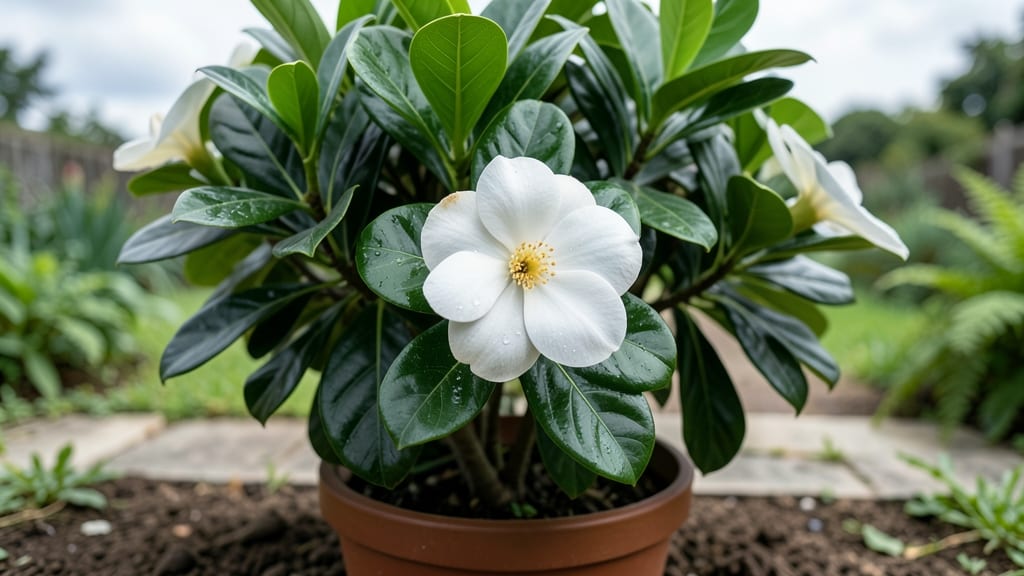
A gardenia blooms during the months of late spring through early fall, with their most vibrant displays typically occurring between May and September in warmer regions. Cooler climates may push blooming back to June or July, while tropical varieties can produce flowers year-round with consistent care.
A gardenia blooms during the months of late spring through early fall, with their most vibrant displays typically occurring between May and September in warmer regions.
Gardenias are sensitive to temperature shifts, so their blooming windows vary dramatically by location. 🌸 In the South (USDA Zones 8-10), you'll see heavy flowering from May through September, while Northern gardeners in Zones 6-7 might only get a few weeks of blooms in midsummer. The key difference?
Tropical varieties like G. jasminoides thrive with warmth year-round, while hardier types such as Kleim's Hardy wait for stable daytime temperatures above 65°F before opening buds.
Light exposure plays a surprising role too—gardenias need 6+ hours of bright, indirect sunlight daily to trigger blooming. Too much direct sun can scorch leaves, while insufficient light delays flowering.
I've found that pruning spent blooms in early spring (before new growth starts) can encourage a second flush of flowers later in the season, especially in milder climates.
💡 In This Article
- Gardenias Bloom Timing by Variety and Climate Zones
- Tips to Encourage Early or Extended Gardenia Blooms
Gardenias bloom timing by variety and climate Zones
The blooming cycle of gardenias is primarily governed by temperature thresholds and daylight exposure. Most gardenias require daytime temperatures consistently above 65°F to initiate bud formation, with G. jasminoides (the most common variety) thriving in 70-85°F ranges.
This is why Southern climates (USDA Zones 8-10) see peak blooms from May through September, while Northern gardeners in Zones 6-7 often get delayed blooms starting in June or July, lasting only 4-6 weeks.
The Kleim's Hardy variety is an exception—it can tolerate cooler nights down to 20°F and may bloom sporadically even in fall if temperatures remain mild. 🌸
Daylight exposure triggers the hormonal shifts that lead to blooming. Gardenias need 6-8 hours of bright, indirect sunlight daily to produce the energy required for flower development. In tropical climates (Zones 10-12), this consistent light exposure allows varieties like G. augusta to bloom year-round, producing 3-4 flower cycles annually.
However, in cooler regions, insufficient light can delay blooming by 2-4 weeks or prevent it entirely. I've observed that gardenias grown under artificial grow lights (12+ hours/day) can produce blooms outside their natural season, though the flowers tend to be smaller and less fragrant.
Variety-specific timing creates distinct blooming windows. Early bloomers like 'Radicans' begin opening buds in late April when nighttime temperatures stay above 55°F, while late-season varieties such as 'Veitchii' may continue producing flowers until October in warm microclimates.
The 10-14 day interval between bud formation and full bloom means gardeners can often predict peak flowering by monitoring bud development. In my experience, gardenias in containers bloom 1-2 weeks later than those planted in ground beds due to temperature fluctuations in pots. 🌿
Climate zone interactions create dramatic variations. For example, gardenias in Zone 9 (like Southern California) may bloom continuously from March to November, while those in Zone 7 (Mid-Atlantic) get a single 6-week window in July-August.
The 30°F temperature drop threshold is critical—any frost exposure will kill buds and delay the next cycle by 4-6 weeks. This is why gardeners in transitional zones (Zones 7-8) often use frost blankets to protect plants and extend the blooming season by 3-4 weeks.
Soil temperature plays a hidden but crucial role. Gardenia roots need soil temperatures above 60°F to absorb nutrients efficiently, which directly impacts flower production. In cooler climates, mulching with 3-4 inches of organic material can maintain root-zone warmth and encourage earlier blooming.
I've seen gardenias in Zone 6 produce buds 2 weeks early when grown in raised beds with bottom heat mats during spring. The root system's sensitivity to temperature explains why container-grown gardenias often bloom later—their root zones cool faster than in-ground plants. 🌱
Understanding these interactions helps gardeners select varieties that match their climate. For example, 'Mystery' gardenias bloom reliably in Zones 8-11 but struggle in Zone 7, while 'Kleim's Hardy' adapts to Zones 6-9. The key is matching the variety's temperature tolerance with your local climate patterns to maximize blooming potential. 💡