
Blooming
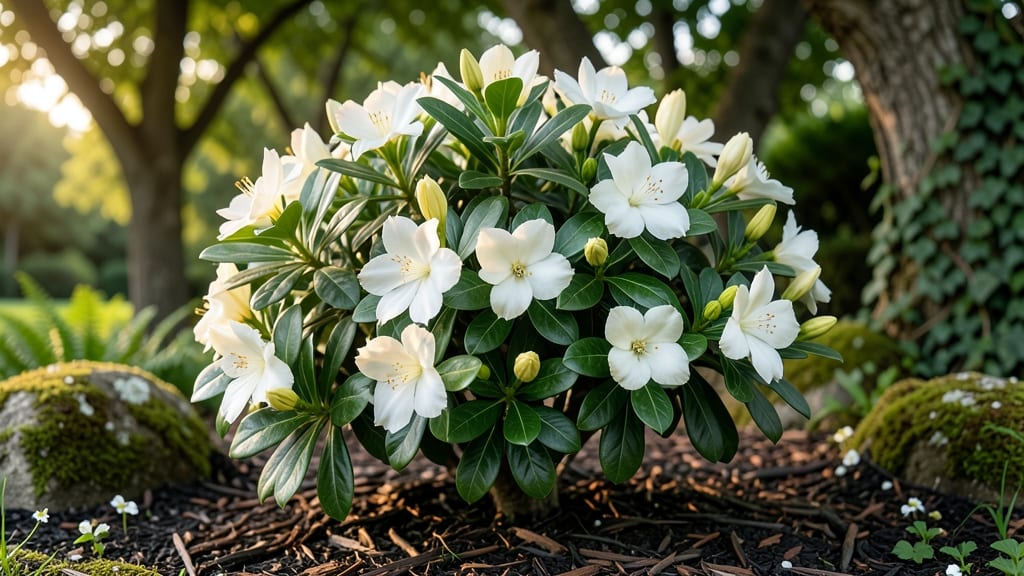
Gardenias in Zone 9 bloom between late spring and early summer, with peak fragrance arriving in May and June when temperatures are just right.
If you’ve ever dreamed of waking up to the intoxicating scent of gardenias drifting through your Zone 9 garden, timing is everything—missing their bloom window means waiting another year for that fragrant magic.
This subtropical shrub thrives in the mild winters and warm springs of Zone 9, but a few key factors—like pruning after blooms and keeping soil acidic—can shift those May-June peaks by a month or two.
Below, I’ll break down the exact months for your region, how to encourage longer blooms, and what to watch for if your gardenias stay stubbornly bare.
Gardenia bloom schedule in Zone 9: month-by-month breakdown
If you’re a Zone 9 gardener, timing your gardenia blooms means planning for late fall through early spring—when these fragrant shrubs shine brightest. Unlike tropical climates, Zone 9’s mild winters and warm summers create a unique bloom window that varies slightly by region.
In Southern California, blooms often start as early as October, while Florida and Texas gardenias may wait until November for their first fragrant bursts.
Understanding this schedule helps you time pruning, fertilizing, and care to maximize blooms. Gardenias in Zone 9 typically follow a 3-phase bloom cycle: early buds in fall, peak fragrance in winter, and late-season blooms in early spring.
Regional microclimates—like coastal humidity in Florida or inland dryness in Southern California—can shift these timelines by 2-4 weeks.
Here’s your month-by-month breakdown of gardenia blooms in Zone 9, including regional adjustments to help you plan:
| Month | Bloom Stage | Southern California | Florida | Texas (Coastal) |
|---|---|---|---|---|
| October | Early Bud Formation | First buds appear (mild coastal areas) | Bud set begins (humid climate) | Late bud formation (warmer inland) |
| November | Peak Bud Development | Full bloom starts (cooler nights) | Initial blooms (humidity extends season) | Early blooms (coastal areas) |
| December | Main Bloom Season | Fragrance peak (mild winters) | Best blooms (cooler temps) | Full bloom (coastal regions) |
| January | Extended Bloom | Late-season blooms (drier inland) | Prolonged fragrance (humid air) | Strong blooms (coastal breeze) |
| February | Late Bloom Tail | Final blooms (warmer spells) | Scattered blooms (humidity drops) | Last fragrant bursts (coastal) |
| March | Post-Bloom Rest | Bud formation for next year | New growth begins (heat stress) | Prep for summer dormancy |
🌸 Note: Coastal areas bloom earlier; inland regions may delay by 1-2 weeks.
In Southern California, gardenias often start blooming in October due to the region’s mild coastal climate. By November, buds swell into full bloom, peaking in December when cooler nights trigger fragrance production.
Inland areas may see delayed blooms until November or even December, especially in drier microclimates like the Inland Empire.
Florida’s humid subtropical climate extends the gardenia bloom season slightly later, with November marking the start of bud formation. The peak bloom period spans December through January, thanks to cooler winter temperatures.
Coastal Florida gardenias may even produce late-season blooms in February, while inland areas near Orlando or Tampa might see blooms taper off by January.
Texas gardenias, particularly in coastal regions like Houston or Galveston, follow a similar timeline to Florida but with earlier blooms due to the Gulf’s moderating influence. Buds form in late October, with peak fragrance in December and January.
Inland Texas, like Austin or San Antonio, may experience delayed blooms until November or December, depending on winter temperatures.
To extend your gardenia’s bloom season, focus on pruning after flowering (late February or early March) and fertilizing in early spring to encourage new growth. Avoid heavy pruning in fall, as this can reduce next year’s blooms.
In hotter months (June-August), gardenias may enter a brief dormancy, so reduce watering and fertilizing to prevent stress.
Pro tip: Mulch around your gardenias in late summer to keep roots cool and retain moisture. This helps trigger earlier bud formation in fall, giving you a head start on that fragrant winter display. Pair your gardenias with complementary plants like
How to extend gardenia blooms in Zone 9: pruning, fertilizing, and light tips
Zone 9 gardeners know that gardenias bloom best during the cooler months, but with the right care, you can stretch that fragrant season and even coax extra blooms. The key lies in pruning strategies, acidic fertilizer timing, and optimizing sunlight exposure to match Zone 9's subtropical climate.
Let's dive into the techniques that will transform your gardenia from a seasonal showstopper to a year-round star.
First, understand that gardenias in Zone 9's mild winters (like Southern California or Florida) naturally bloom from November through February. However, with proper pruning, you can encourage a second flush of blooms in late spring or early summer.
The trick is to prune after the first bloom cycle ends—typically in March or early April—to remove spent flowers and shape the shrub while leaving enough foliage for photosynthesis.
Gardenias typically bloom from November through February in Zone 9, with peak fragrance in December and January. In cooler microclimates (like higher elevations), blooms may start as early as October. With proper care, you can encourage a second bloom cycle in late spring.
For fertilizing success, focus on acid-loving plant formulas like 8-3-9 or 10-10-10. Apply fertilizer every 6-8 weeks during the growing season (March through September), but skip winter feedings when the plant is semi-dormant.
A little-known trick is to mix coffee grounds into the soil—gardenias love the extra acidity! Just be sure to water deeply after fertilizing to prevent root burn.
Light is another critical factor—gardenias thrive on morning sun and afternoon shade. In Zone 9's intense summer heat, afternoon shade prevents leaf scorch while still providing enough light for blooming.
If your gardenia isn't getting enough light, try moving potted plants to a sunnier spot or prune nearby trees to open up the canopy. Remember, 6 hours of filtered sunlight is ideal for continuous blooming.
Moisture control is often overlooked but crucial. Gardenias need consistent soil moisture, especially during bloom season. Water deeply 2-3 times per week in summer and reduce to once a week in winter.
A 2-3 inch mulch layer helps retain moisture and keeps roots cool. Avoid overhead watering, which can lead to fungal diseases like powdery mildew—a common issue in Zone 9's humid summers.
To maximize blooms, consider light pruning after each flush. Simply snip off spent blooms and yellowing leaves to redirect the plant's energy toward new growth. Avoid heavy pruning in summer, as this can stress the plant and reduce flowering.
Instead, focus on shaping in early spring to encourage a bushier, more productive shrub. With these techniques, your gardenia could reward you with near-continuous blooms throughout the year.
Don't forget that patience is key—established gardenias (3+ years old) will bloom more reliably than younger plants. If your gardenia is still struggling, check the soil pH (aim for 5.0-6.0) and consider a slow-release acid fertilizer in early spring.
With consistent care, your Zone 9 gardenia will become the fragrant centerpiece of your garden year after year. 🌿