
Fertilization
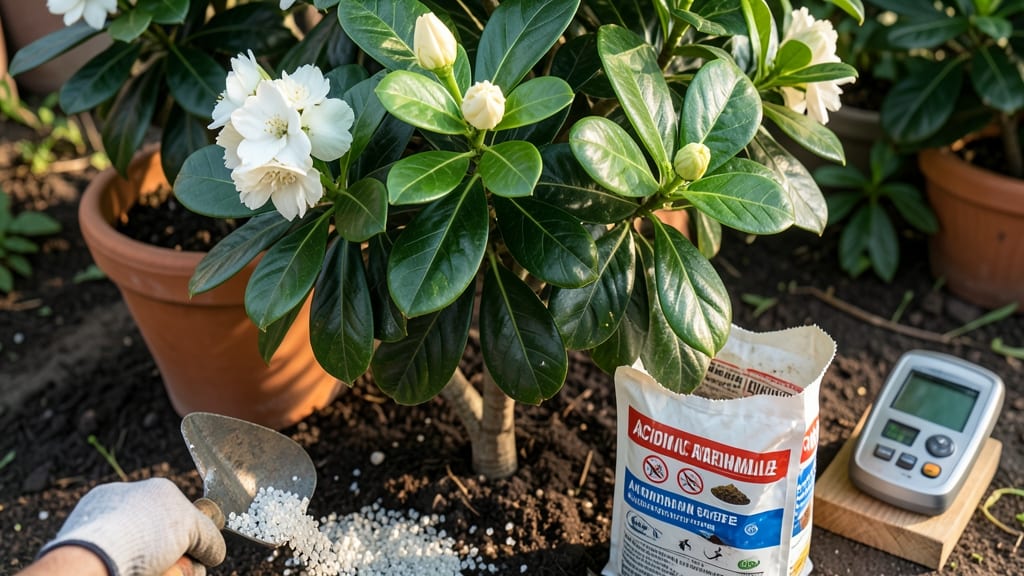
Your gardenia’s yellowing leaves and weak growth might be screaming for acidic nitrogen fertilizer — the secret weapon for lush blooms in USDA zones 9-11.
Picture this: You’ve watered faithfully, pruned carefully, and even pruned those stubborn buds—but your 🌸 gardenia still looks tired. The issue? Most gardeners miss the pH-sensitive nitrogen these acid-loving shrubs crave. Without it, even the best care falls short.
Here’s the good news: Fixing it is faster than you think. The right acidic fertilizer—applied at the right time—can turn pale leaves into deep green and weak stems into sturdy bloomers in just a few weeks.
Below, I’ll walk you through how to pick the best fertilizer, apply it without burning roots, and keep your gardenia thriving year-round—no guesswork included.
Why gardenias need acidic nitrogen fertilizer (and how to spot deficiencies)
Gardenias (🌸) are finicky about their soil conditions, and acidic nitrogen fertilizer isn’t just a nice-to-have—it’s a must for healthy growth. These tropical shrubs thrive in acidic soil (pH 5.0-6.5), where nitrogen becomes available for absorption.
Without it, your gardenias will struggle to produce the dark green leaves and fragrant blooms they’re famous for.
Nitrogen is the building block for leafy growth and root development, but gardenias can’t access it unless the soil pH is just right. When the pH rises above 6.5, nitrogen locks up in the soil, leaving your plants starving—even if you’re applying fertilizer.
That’s why acidic nitrogen fertilizers (like sulfur-coated urea or cottonseed meal) are game-changers for gardenia care.
Here’s the kicker: yellowing leaves and weak stems often signal nitrogen deficiency, but they can also mean overwatering or poor drainage. The key is diagnosing the issue correctly.
Start by checking the soil pH—if it’s neutral or alkaline, your gardenia can’t absorb nitrogen, no matter how much you feed it.
Gardenias also show stress through drooping leaves or slow growth, especially in containers where soil dries out faster. While nitrogen is critical, the wrong type (like alkaline fertilizers) can do more harm than good.
That’s why I always recommend slow-release acidic fertilizers to avoid root burn and maintain steady nutrient levels.
Now, let’s break down the key signs of nitrogen deficiency and how acidic fertilizers fix them. The table below will help you spot the problem fast and take action before your gardenia’s health declines further.
| Symptom | Likely Cause | Solution | Action Step |
|---|---|---|---|
| Yellowing leaves (older first) | Nitrogen deficiency | Apply acidic nitrogen fertilizer | 1 tbsp/plant (spring/fall) |
| Pale green or yellow new growth | pH imbalance (too high) | Lower soil pH with sulfur | Mix 1 cup sulfur/10 sqft |
| Stunted growth or weak stems | Nitrogen + phosphorus imbalance | Use 10-10-10 acidic fertilizer | Feed every 6 weeks (spring-fall) |
| Brown leaf edges or tips | Over-fertilization or drought | Flush soil with water | Water deeply 2x weekly |
| Fewer or no blooms | Low phosphorus or stress | Boost phosphorus with bone meal | 1/2 cup/plant (fall) |
The first step to fixing nitrogen deficiency is testing your soil’s pH. You can grab a soil test kit (around $10) or send a sample to your local extension office for a detailed report.
If your pH is above 6.5, acidifying fertilizers like iron sulfate or peat-based mixes will help lower it over time.
Once you’ve confirmed the pH, choose a slow-release acidic nitrogen fertilizer to avoid shocking your gardenia’s roots. Organic options like cottonseed meal or blood meal release nitrogen gradually, while synthetic sulfur-coated urea provides a steady supply without spiking the soil pH too quickly.
Timing matters too! Apply acidic nitrogen fertilizer in early spring (just as new growth starts) and again in early fall to strengthen roots for winter. Avoid fertilizing in summer heat, as this can burn tender gardenia leaves. Always water thoroughly after applying fertilizer to help nutrients penetrate the soil.
If your gardenia’s leaves are already yellow and crispy, don’t panic—it’s not always a death sentence. Prune the damaged foliage to redirect energy to healthy growth, and switch to a milder acidic fertilizer (like fish emulsion) to rebuild strength.
With the right pH and nitrogen balance, your gardenia can bounce back in just a few months.
Remember, gardenias are heavy feeders but sensitive to over-fertilization. The goal is to mimic their natural, nutrient-rich, acidic soil environment. By mastering the art of acidic nitrogen fertilization, you’ll reward yourself with glossy leaves and abundant blooms that’ll make your garden the envy of the neighborhood.
Top 5 acidic nitrogen fertilizers for gardenias (ranked by effectiveness)
Choosing the right acidic nitrogen fertilizer for your gardenias can transform weak, yellowing plants into vibrant, fragrant shrubs. Gardenias thrive in acidic soil (pH 5.0-6.5) and crave nitrogen for lush foliage and abundant blooms.
Not all fertilizers work equally—some lower pH too aggressively, while others provide nitrogen too quickly, risking root burn. Let’s explore the top 5 options, ranked by their effectiveness for gardenias, balancing acidification, nitrogen content, and ease of use.
From slow-release organic options to fast-acting synthetic blends, each fertilizer has unique benefits. Organic choices like cottonseed meal and peat moss gently acidify soil over time, while synthetic options such as iron sulfate deliver quick results.
The best choice depends on your gardenia’s current health, your soil’s pH, and how quickly you need to see improvements. Let’s dive into the details to help you pick the perfect match for your plants.
At the top of our list is iron sulfate, a fast-acting synthetic fertilizer that not only provides nitrogen but also lowers soil pH quickly. This makes it ideal if your gardenias are showing yellowing leaves due to alkaline soil.
A 1 tablespoon per plant mixed into the top 2 inches of soil can work wonders in just a few weeks. However, use it sparingly—too much can harm beneficial soil microbes.
Cottonseed meal is my go-to organic option for gardenias. It’s packed with 13% nitrogen and slowly releases nutrients while gently acidifying the soil. Sprinkle 1/2 cup per plant in early spring and lightly work it into the soil. The best part? It won’t burn roots like synthetic fertilizers, making it perfect for container gardenias where soil volume is limited.
For gardeners who prefer a ready-to-use solution, peat-based fertilizers are a solid choice. These blends combine slow-release nitrogen with sphagnum peat moss, which maintains soil acidity. Look for a 10-10-10 NPK ratio with added sulfur.
Apply 1 cup per 10 square feet every 6-8 weeks during the growing season. Just be mindful—peat moss can deplete over time, so replenish it annually.
If you’re looking for a balanced approach, sulfur-coated urea is a fantastic middle ground. The sulfur coating ensures a steady nitrogen release while gradually acidifying the soil. Use 1/4 cup per plant every 4-6 weeks, and always water it in thoroughly to activate the coating.
This option is especially great for established gardenias that need consistent nourishment without the risk of over-fertilization.
Lastly