
Planting
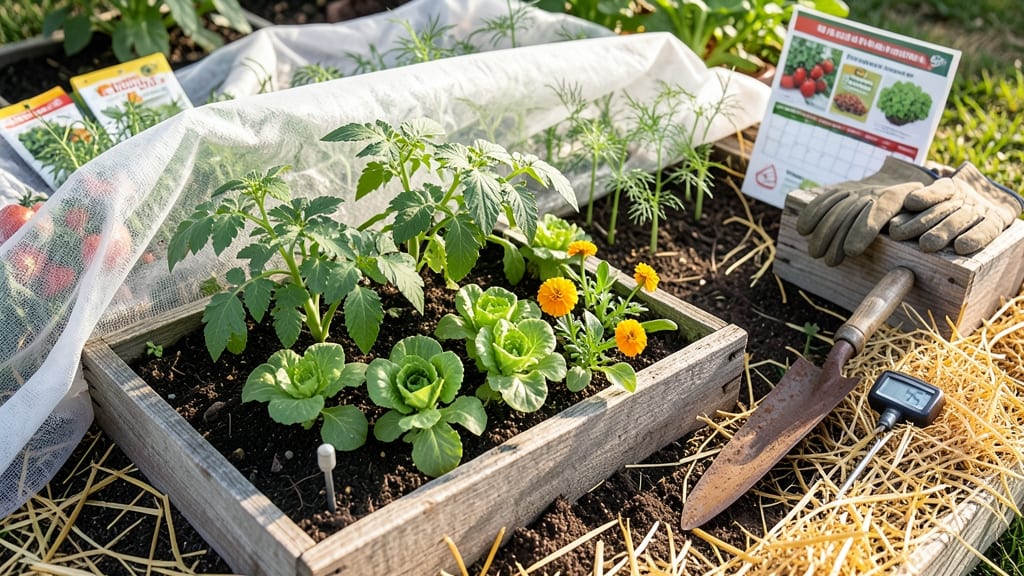
Planting your garden in Michigan depends on knowing when frost dates shift from late April in the Lower Peninsula to mid-May in the Upper Peninsula — a difference that can make or break your harvest.
Michigan gardeners know timing is everything—plant too early and frost will strike, too late and you’ll miss peak harvests. The key lies in understanding Michigan’s unique frost dates by zone, which can vary by weeks between the Upper Peninsula and Detroit.
Whether you’re starting seeds indoors or transplanting seedlings, these dates tell you exactly when to begin. Cool-season crops like peas and spinach can go in the ground weeks before warm-season favorites like tomatoes and peppers, but only if you time it right.
Below, I’ll break down the exact planting windows for your zone, plus tips to stretch your season with row covers and succession planting so you get the most from your 🌱 garden.
Michigan frost dates by Zone: last spring & first fall frost timelines
Understanding Michigan’s frost dates is the foundation of successful gardening. The state spans USDA zones 4a through 6b, meaning frost timelines can shift by 3-4 weeks from Detroit to the Upper Peninsula.
These dates determine when to plant frost-sensitive crops like tomatoes and when to harvest before winter sets in.
Your last spring frost signals when it’s safe to plant warm-season vegetables, while the first fall frost marks the deadline for frost-tolerant crops. Even within the same zone, microclimates (like urban heat islands or lakeside areas) can push these dates by a week or more.
To find your exact zone, use the USDA Plant Hardiness Zone Map or Michigan State University’s interactive tool. Enter your ZIP code to pinpoint your zone—this is critical for adjusting planting schedules. For example, Traverse City (Zone 5b) averages 2 weeks earlier last frosts than Detroit (Zone 6a).
Key takeaway: Frost dates are averages—always monitor local forecasts and prepare for late frosts in spring or early frosts in fall. A sudden cold snap can devastate young seedlings or tender harvests.
For Zone 4a gardeners in the Upper Peninsula, the 120-day frost-free window limits warm-season crops like corn and beans to early planting. Meanwhile, Zone 6b near the Indiana border enjoys an extra 60 days of growing time, allowing for second plantings of tomatoes or peppers.
Adjust your schedule if you live near large bodies of water (like Lake Michigan) or in urban areas. Lakes can delay spring frosts by 1-2 weeks due to slower water cooling, while cities often experience earlier last frosts because of heat retention.
Use a minimum thermometer to track your local frost patterns over 3–5 years for precision.
Pro tip: Start warm-season seeds indoors 6–8 weeks before your last frost date. For Zone 5b, this means sowing tomatoes by March 15 to transplant outdoors by May 5. Cool-season crops like spinach can handle light frosts—plant them 4–6 weeks before your last spring frost for early harvests.
Always check Michigan State University’s frost prediction alerts in late April and September. These updates can shift your planting timeline by 10 days or more, especially in years with unpredictable weather. When in doubt, opt for frost-tolerant varieties or use row covers to extend your season.
Remember: Frost dates are guidelines, not rules. Your garden’s success depends on local observations and flexibility. Keep a planting journal to refine your schedule year after year!
Planting schedule for Michigan’s most popular vegetables by Zone
Michigan’s diverse climate means your planting timeline depends heavily on whether you’re in Zone 4a (Upper Peninsula) or Zone 6b (southern Michigan). For example, tomatoes can go in the ground by late May in Detroit but wait until early June in Marquette.
Let’s break down when to start seeds indoors and transplant for your top vegetables.
Cool-season crops like lettuce and spinach thrive when soil temperatures stay below 70°F, while warm-season crops such as peppers and squash need soil at 60°F+ to germinate. I’ll cover both categories with zone-specific timing to maximize your harvest.
Use this comparison-table as your quick-reference guide for Michigan’s most popular vegetables, organized by planting method (direct sow or transplant) and zone. Adjust dates by 1-2 weeks if your microclimate runs warmer or colder than average.
For warm-season crops, always wait until soil temperatures reach 60°F+—use a soil thermometer if unsure. In Zone 4a, I recommend starting peppers indoors by March 15 and transplanting after Memorial Day to avoid frost.
In Zone 6a, you can push the envelope with late-season tomatoes by planting heat-tolerant varieties like 'Celebrity' in early July for fall harvests.
Pro tip: Use row covers to extend your planting window by 2–3 weeks for frost-sensitive crops like cucumbers and melons. In my Zone 5 garden, this lets me plant cucumbers by May 1 instead of waiting until May 15. Just remove covers when flowers appear to allow pollination.
Remember, succession planting is your best friend for continuous harvests. For example, sow lettuce every 2 weeks from March through July to avoid bolting. And don’t forget peas—they’re one of the few vegetables you can plant as soon as the soil is workable in early spring!