
Tools
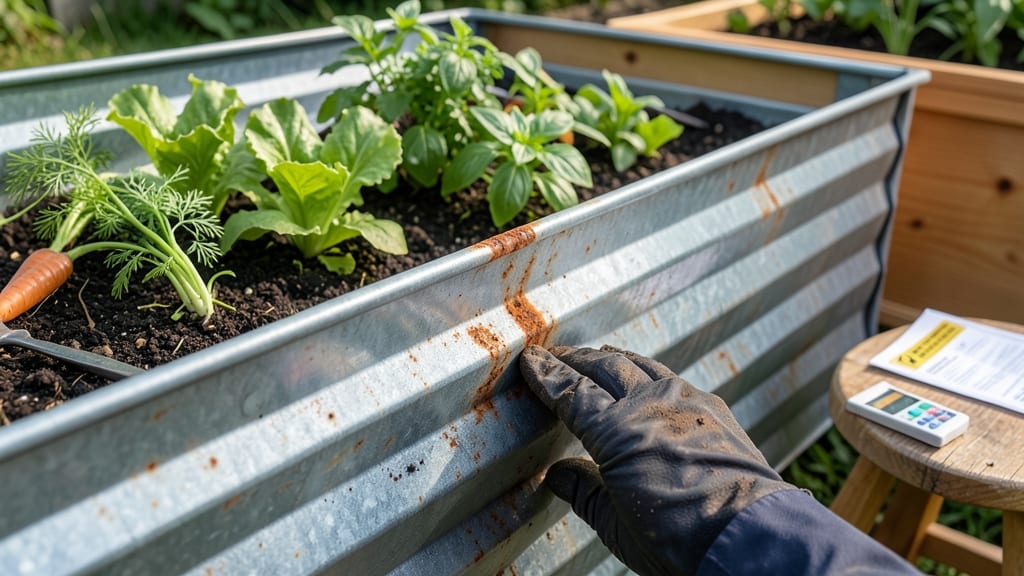
This is galvanized steel safe for garden beds? No—it’s unsafe long-term because zinc and cadmium from the coating leach into soil over time, poisoning plants and contaminating edible crops. Even short-term exposure risks soil degradation as rusting releases toxic metals that disrupt plant growth.
Galvanized steel's zinc coating may seem protective, but moisture and soil acidity trigger chemical reactions that break it down.
Over months or years, these metals seep into the root zone, where they accumulate to harmful levels—especially in acidic soils or high-rainfall climates. 🌱 The real danger isn't just stunted growth, but how these toxins can work their way into your food chain through edible plants.
For vegetable gardens, the risk isn't worth it, even if you're using it temporarily.
If you're committed to metal beds, stainless steel or black iron are safer alternatives that won't leach hazardous materials. For organic gardens, cedar or untreated wood (properly sealed with non-toxic finishes) offer natural durability without chemical risks.
The key is choosing materials that won't compromise your soil's health or your harvest's safety.
💡 In This Article
- How Galvanized Steel Corrodes and Releases Toxic Metals
- Safe Alternatives to Galvanized Steel for Garden Beds
How galvanized steel corrodes and releases toxic metals
The galvanization process coats steel with a layer of zinc to prevent rust, but this protective barrier isn't permanent. When exposed to moisture—like rain or irrigation—zinc begins oxidizing, forming zinc oxide.
Over time, this chemical reaction accelerates, especially in acidic soils (pH below 6.5), where zinc solubility increases dramatically. 🔥 This is why galvanized containers in vegetable gardens show rust spots within 1-2 years, even under ideal conditions.
What makes this dangerous is the cadmium content—often present in trace amounts (up to 0.002% by weight in the coating). While zinc toxicity affects plants by blocking nutrient uptake (like phosphorus and nitrogen), cadmium is far more insidious.
It accumulates in plant tissues, particularly in leafy greens and root vegetables, where it can reach levels harmful to human consumption. Studies show cadmium concentrations in soil near galvanized metal can exceed 5 mg/kg after just 3 years of exposure.
The corrosion process follows a predictable pattern: first, the zinc layer thins as it reacts with oxygen and water (forming zinc hydroxide). Then, as the steel beneath begins rusting, iron oxides form, creating a porous surface that traps moisture and accelerates further breakdown.
In tropical climates with high humidity, this cycle can happen 3-5 times faster than in dry regions. 🌧️ The result? Soil near the metal becomes a slow-release toxic zone, where even non-edible plants may show symptoms like chlorosis (yellowing leaves) or stunted growth.
For edible gardens, the risk extends beyond immediate toxicity. Cadmium is a known carcinogen that bioaccumulates in the food chain, meaning it doesn't just stop at your vegetables—it can concentrate in livestock or poultry that consume contaminated plants.
Even small doses over time pose health risks, particularly for populations with pre-existing kidney issues. The EPA sets a soil cadmium limit of 40 mg/kg for residential areas, but garden beds near galvanized metal can exceed this in just 5-7 years.
Visual clues can help identify early corrosion: white powdery residue (zinc carbonate) on soil surfaces, or blue-green streaks where water drips. These signs indicate active leaching. If you're using galvanized steel for temporary structures (like trellises), monitor for these changes annually.
For permanent installations, the contamination timeline shortens significantly—often 2 years in acidic soils. 💫