
Companion Plants
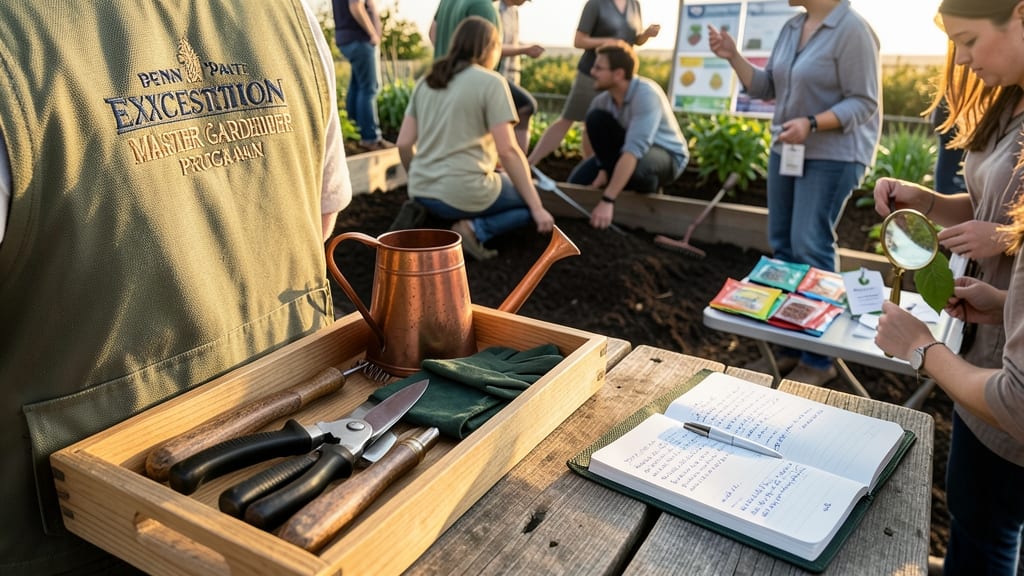
The Pennsylvania Master Gardener Program trains volunteers through Penn State Extension to teach sustainable gardening, pest control, and horticultural science. Applications open yearly for a $150–$250 fee covering materials and resources, with hands-on volunteer opportunities in local gardens and community outreach.
The Pennsylvania Master Gardener Program is more than just a training—it's a gateway to becoming a trusted resource in your community. 🌱 Through Penn State Extension's rigorous curriculum, participants gain expertise in diagnosing plant diseases, managing pests organically, and designing eco-friendly landscapes.
What sets this program apart is its focus on practical application: volunteers don't just learn theory—they put knowledge into action by staffing plant clinics, teaching workshops, and maintaining demonstration gardens. The annual fee covers comprehensive training materials, while the hands-on experience builds confidence for both beginners and seasoned gardeners alike.
One of the program's greatest strengths is its statewide network, connecting volunteers with local chapters that address regional gardening challenges. Whether you're passionate about vegetable gardening, native plant restoration, or urban greening, there's a place for you to contribute.
The certification process ensures volunteers meet high standards, making them reliable sources of information for home gardeners and agricultural professionals.
💡 In This Article
- Penn State Extension’s Master Gardener Training Curriculum
- Volunteer Roles and Local Program Locations in Pennsylvania
Penn State Extension’s Master Gardener training curriculum
The 120+ hour curriculum dives deep into horticultural science with a focus on practical skills you can apply immediately. You'll spend 40 hours in plant pathology learning to identify fungal diseases like powdery mildew (which thrives in humid conditions) and bacterial spots (common on tomatoes) using microscopy labs.
Soil science covers 15 hours of hands-on analysis, where you'll test pH levels and nutrient profiles using field kits—critical for diagnosing why your blueberries might be yellowing despite proper watering.
Entomology makes up 25 hours, where you'll learn to distinguish between beneficial insects (like ladybugs) and pests (such as Japanese beetles) through dissection exercises.
The program even includes 10 hours of sustainable landscaping, teaching you to design water-efficient gardens using native plants that require 30% less irrigation than non-native species. 🌿 Each module ends with exams that test both theoretical knowledge and problem-solving—like diagnosing a wilted zinnia in just 5 minutes using the 5-step diagnostic approach taught in class.
What makes this training stand out is the balance between classroom instruction and real-world application. For example, the 15-hour horticultural therapy unit explores how gardening benefits mental health, complete with case studies from local rehabilitation centers.
You'll leave knowing how to lead a 30-minute gardening session for seniors with limited mobility, using adaptive tools like ergonomic pruners and raised beds. This practical edge is what transforms volunteers into community leaders who can tackle everything from school garden programs to urban food desert initiatives.
The certification process isn't just about passing exams—it's about proving you can apply knowledge under pressure.
During the 40-hour internship requirement, you'll complete projects like staffing a plant clinic where you diagnose 50+ plant samples per season, or teaching a workshop on composting that reduces household waste by 25% in participating families.
This hands-on experience builds confidence and ensures you're ready to hit the ground running in your local chapter.
One often-overlooked aspect is the continuing education requirement: certified Master Gardeners must complete 10 hours of advanced training annually to maintain their status.
This keeps skills sharp and ensures volunteers stay current on emerging topics like climate-adapted gardening or integrated pest management techniques that reduce chemical use by 40%+. The program's commitment to lifelong learning is what makes its graduates such valuable resources in Pennsylvania's diverse gardening communities.
For those curious about the program's origins, it all started in 1972 at Washington State University before spreading nationwide.
Penn State Extension adapted the model to Pennsylvania's unique climate zones—from the humid Appalachian region to the drier southeast plains
This regional focus is what makes the training both relevant and immediately useful for volunteers.