
Planting
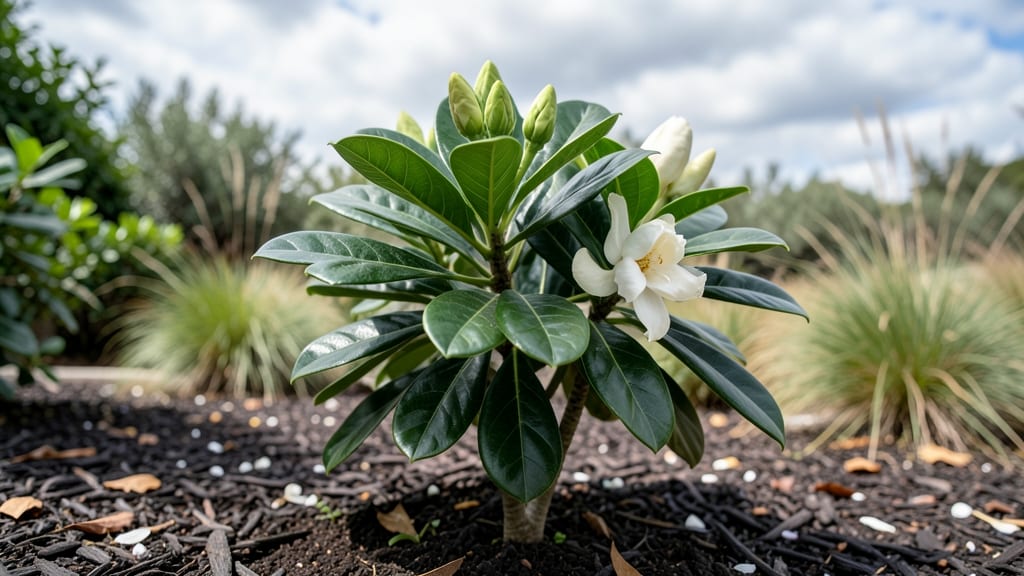
Understanding gardenia hardy zone limits helps you choose the right variety for your climate, as most gardenias only survive in USDA zones 8-11, where temperatures rarely drop below 30°F (-1°C). Cold-hardy hybrids like 'Kleim’s Hardy' can endure zone 7 conditions with proper winter care, while tropical gardenias need zone 9 protection or indoor overwintering.
Gardenias are tropical plants at heart, so their sensitivity to cold explains why zone selection matters so much. 🔥 When temperatures dip below 30°F (-1°C), most varieties suffer leaf burn or dieback, though some hybrids can tolerate brief exposure to 25°F (-4°C) with mulching.
The key difference lies in their root systems—hardy varieties develop deeper, more insulated roots that protect against frost heave, while tropical types remain vulnerable.
I've seen gardeners in zone 7 successfully grow 'Kleim’s Hardy' by planting them near south-facing walls or using thick mulch layers to mimic the warmer microclimates these plants prefer.
For those in marginal zones, container gardening offers flexibility—you can move potted gardenias indoors during winter or place them in sheltered spots like greenhouses. The trade-off? Container plants dry out faster and need more frequent watering.
If you're considering adding gardenias to your landscape, start with cold-resistant varieties and monitor local frost dates to time any necessary protective measures.
💡 In This Article
- How Cold Temperatures Affect Gardenia Survival
- Top Cold-Resistant Gardenia Varieties for Cooler Climates
How cold temperatures affect gardenia survival
Gardenias are tropical evergreens, meaning their cells contain high water content that freezes at 32°F (0°C), causing ice crystals to form within leaf tissues.
When temperatures drop to 28°F (-2°C), these ice crystals rupture cell walls, leading to immediate leaf burn and browning—visible as crispy, blackened edges within 24 hours.
The roots are even more vulnerable: gardenia roots lack protective bark and can suffer frost heave, where frozen soil expands and uproots shallow root systems. 🌱 In zone 7, where winter lows often hit 15°F (-9°C), most gardenias will die back completely unless given heavy mulch or container protection.
The real damage happens when cold snaps occur during active growth phases. Gardenias flower in spring and summer, but their buds form in late winter—exposing them to frost risk.
A 25°F (-4°C) night can kill unopened buds before they bloom, while established flowers wilt and drop within hours of frost contact. This is why gardeners in zone 8 must monitor frost dates closely: a single 28°F (-2°C) event can reduce next year's blooms by 70%.
The good news? Hardy hybrids like 'Kleim’s Hardy' develop thicker cuticles on their leaves, which delay frost damage by up to 2-3°F (1-2°C) compared to tropical varieties.
Root insulation is the game-changer for cold survival. Gardenias in zones 7-8 need 4-6 inches of organic mulch (straw or shredded bark) to maintain soil temps above 30°F (-1°C)20°F (-7°C) nights, which can push survival limits by 5-7°F (3-4°C). The key is protecting both foliage and roots simultaneously.
Microclimates create safe havens for gardenias in marginal zones. South-facing walls absorb sunlight during the day, radiating heat that raises nighttime temps by 3-5°F (2-3°C)—enough to keep gardenias alive in zone 7.
Container gardeners gain even more control: moving pots to unheated garages or greenhouses during winter can extend growing seasons by 2-3 months. However, this requires monitoring soil moisture, as containers dry out 3x faster than in-ground plants during winter dormancy. 💧
Flowering cycles also shift with cold exposure. Tropical gardenias in zones 9-11 bloom continuously from spring to fall, while hardy varieties in zone 7 may only produce 2-3 bloom cycles per year due to delayed bud formation.
The trade-off for cold tolerance is reduced flowering—something to consider if you prioritize fragrance over hardiness. For example, 'Radicans' (a climbing gardenia) thrives in zone 8 but blooms 40% less than its tropical cousins when grown in cooler microclimates.
Here's what actually happens at the cellular level: gardenias lack anti-freeze proteins found in cold-hardy plants like rhododendrons. Instead, they rely on rapid water loss (desiccation) to prevent ice formation—a survival strategy that works only if roots stay hydrated.
This is why winter watering is critical: even dormant plants need 1 inch of water every 2-3 weeks to maintain root viability. Without it, the plant's defense mechanism fails, and frost damage becomes irreversible. 🌡️