
Propagation
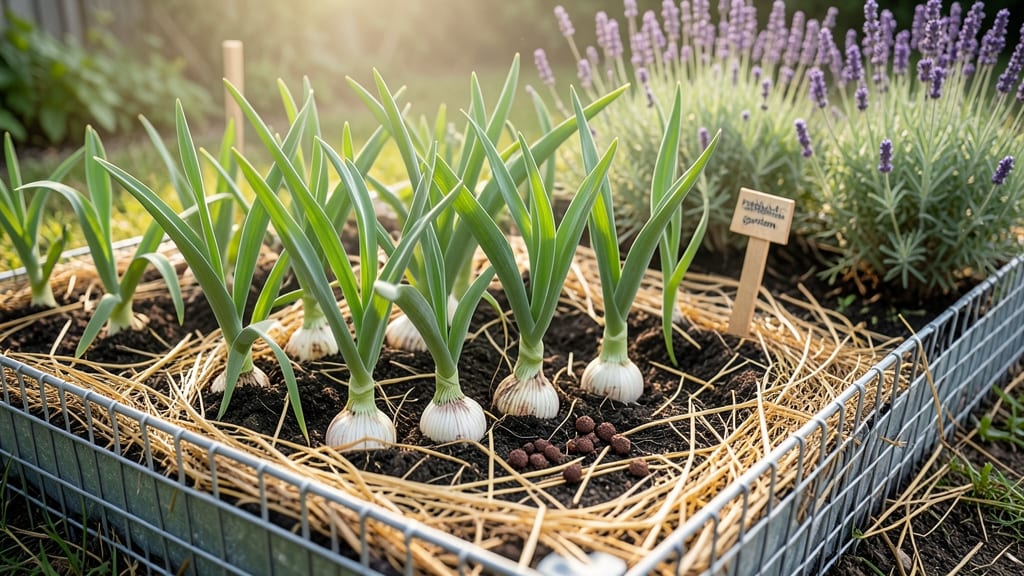
What keeps bunnies away from gardens includes natural deterrents like pungent plants (lavender, rosemary), homemade sprays with garlic or chili peppers, and physical barriers such as chicken wire or elevated planting beds. Regular maintenance ensures these methods remain effective over time.
Bunnies are drawn to gardens primarily because they're natural foragers, using their keen sense of smell to locate fresh vegetation. Strong scents from plants like lavender or rosemary disrupt their feeding patterns by masking the aroma of your plants, while garlic-based sprays create a taste aversion they'll avoid.
Physical barriers work differently—they deny access entirely, forcing rabbits to seek easier meals elsewhere. 🌿 The key is combining multiple methods since bunnies quickly adapt to single solutions.
For best results, I recommend rotating repellents every few weeks to prevent habituation. For example, after using a chili pepper spray for a month, switch to a fresh batch of garlic-infused water or plant new rows of mint along vulnerable borders.
Physical barriers should be at least 2 feet tall and buried 6 inches deep to prevent digging underneath. This layered approach mimics how wildlife naturally protects their territories—using both scent and physical exclusion.
💡 In This Article
- Why Bunnies Target Gardens and How Repellents Work
- Best Natural Bunny Repellents for Different Garden Types
Why bunnies target gardens and how repellents work
Rabbits are instinctual foragers with an extraordinary sense of smell—up to 14 times more sensitive than humans. Their primary motivation for raiding gardens is the search for tender, nutrient-rich vegetation. When they detect the fresh scent of young leaves or sprouts, their brains release dopamine, reinforcing the behavior.
This is why newly planted gardens or areas with soft, succulent growth become high-priority targets. 🌱 The key to repelling them lies in disrupting this sensory-driven feeding cycle by introducing competing scents that override the allure of your plants.
Natural repellents work through three main mechanisms: scent masking, taste aversion, and physical deterrence. Strong-smelling plants like lavender or rosemary release volatile organic compounds that create a "scent wall" around your garden.
These compounds, such as linalool in lavender, have molecular structures that bind to rabbits' olfactory receptors in ways that trigger discomfort rather than curiosity. Similarly, garlic-based sprays contain allicin—a compound that creates a lingering, pungent aroma rabbits instinctively avoid, similar to how predators use scent marking to claim territory.
Taste aversion is equally powerful. Chili pepper sprays contain capsaicin, which irritates rabbits' delicate mouth tissues and palates.
A single exposure can create a lasting negative association—studies show that even a 0.25% capsaicin solution (about 1 tablespoon of cayenne per gallon of water) is enough to deter rabbits for weeks. The burn sensation triggers their survival instinct, making them avoid treated areas.
Physical barriers, like chicken wire or hardware cloth, work by simply denying access, but they must be at least 2 feet tall and buried 6 inches deep to prevent digging.
What most gardeners overlook is the concept of "scent fatigue." Rabbits have a remarkable ability to adapt to single repellents within 2-3 weeks as their olfactory systems downregulate the offending scent. This is why effective long-term strategies combine multiple repellents in rotation.
For example, alternating between garlic spray (applied every 7 days) and mint plants (replanted every 4-6 weeks) creates a moving target that keeps rabbits guessing.
The same principle applies to physical barriers—adding motion-activated sprinklers (spraying every 10-15 seconds) can startle rabbits enough to break their feeding pattern.
Seasonal changes also affect repellent effectiveness. In spring, when new growth is most tempting, you'll need stronger concentrations of active ingredients. A 1:10 dilution of vinegar with water (applied weekly) works well during this high-risk period, while summer's drier conditions may require more frequent reapplication of sprays.
The science shows that rabbits are 30% more active at dawn and dusk, so these are the best times to inspect and refresh repellents. By understanding these behavioral triggers, you can create a garden ecosystem that's naturally less appealing to rabbits while maintaining the health of your plants. 🌿
One often-underestimated factor is the role of predator scent. Rabbits are prey animals with highly developed threat detection systems. Introducing predator urine (available commercially or from local wildlife control services) can create a psychological barrier. The scent of coyotes or foxes, even when diluted, triggers their fight-or-flight response.
When combined with physical barriers, this "multi-sensory" approach mimics how rabbits naturally avoid dangerous areas in the wild. The key is reapplying predator scents every 2 weeks to maintain effectiveness.