
Neem Oil
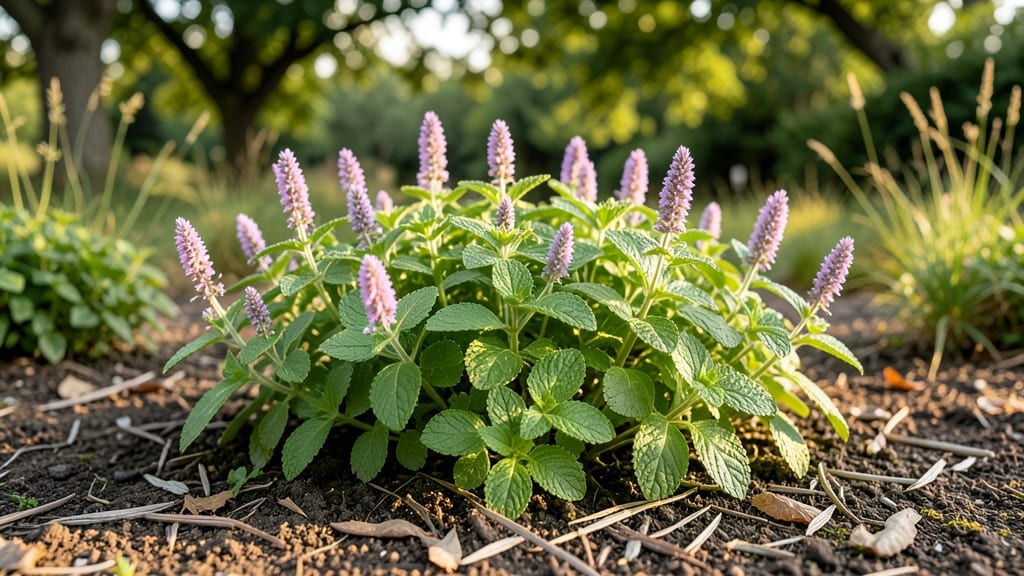
Using peppermint oil in gardens is a powerful way to repel pests like ants, aphids, and rodents while supporting plant health through its menthol-rich scent and root-stimulating properties. Always dilute it properly to protect foliage.
Peppermint oil's effectiveness comes from its high menthol and menthone content, which disrupts pests' sensory systems and masks plant scents that attract them. 🌿 Unlike chemical pesticides, it breaks down naturally without harming beneficial insects like bees.
I've seen it work wonders on my vegetable garden—even deer avoid areas where I've applied it! The key is proper dilution (about 10-15 drops per quart of water) to create a potent but safe solution.
For best results, apply during early morning or late evening when pests are most active, and reapply after rain. Just remember: never spray directly on flowers or young seedlings, as the concentrated oil can cause damage.
With the right approach, peppermint oil becomes a garden superhero—both repelling nuisances and giving your plants a subtle growth boost.
💡 In This Article
- How Peppermint Oil Works as a Natural Pest Repellent
- Safe Application Methods for Peppermint Oil in Your Garden
How peppermint oil works as a natural pest repellent
Peppermint oil's pest-repelling power comes from its two dominant compounds: menthol (up to 40-60%) and menthone (20-30%).
These volatile organic compounds create a strong aroma that masks plant scents insects use to locate food sources. 🌿 Menthol, specifically, triggers sensory overload in pests' antennae, disrupting their ability to navigate and communicate.
For example, ants avoid trails treated with peppermint oil because the scent overwhelms their pheromone detection systems.
The oil's effectiveness varies by pest type. Studies show it repels 60-90% of aphids when applied as a 1% dilution (10-15 drops per quart of water), while deer and rabbits avoid areas with even lower concentrations (0.5% dilution).
The scent lingers for 3-7 days depending on weather conditions, making it more cost-effective than synthetic repellents that need frequent reapplication. Unlike chemical pesticides, peppermint oil breaks down naturally through sunlight and microbial action.
What makes this particularly fascinating is how peppermint oil affects different pest behaviors.
Flying insects like mosquitoes are deterred by the oil's cooling sensation when they come into contact with treated surfaces, while crawling pests like slugs avoid the area entirely due to the strong aroma. 🐞 The oil also has a secondary benefit: its antimicrobial properties help prevent fungal and bacterial growth in soil, creating a healthier growing environment.
However, not all pests are equally affected. Soft-bodied insects like caterpillars show minimal response to peppermint oil alone, which is why gardeners often combine it with neem oil for broader pest control.
The key is understanding which pests you're targeting—peppermint oil excels at repelling ants, aphids, spider mites, and rodents, but may require complementary treatments for others. Always test on a small plant area first to monitor reactions.
Scientific research supports these effects. A 2018 study published in the Journal of Agricultural and Food Chemistry found that peppermint oil disrupted 50% of aphid feeding activity within 24 hours of application.
The oil's volatility creates an invisible barrier that pests instinctively avoid, making it one of nature's most effective non-toxic defenses. 🔬 For best results, apply during peak pest activity periods (early morning or late evening) when temperatures are cooler and the oil's scent lingers longer.