
Vegetables
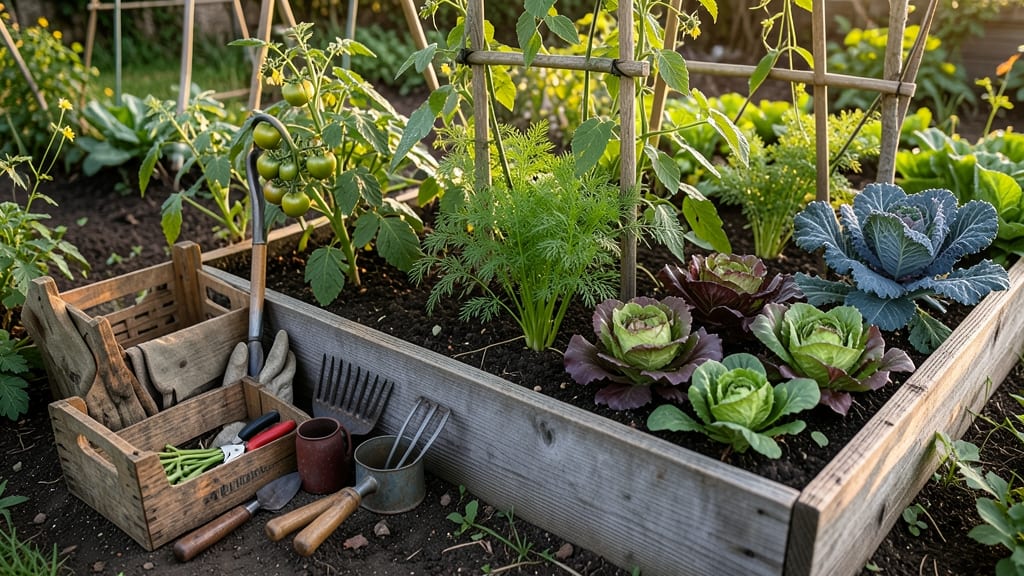
Fenway Victory Gardens represent America's WWII-era urban farming movement, where vacant lots—including Fenway Park's outfield—were transformed into vegetable plots to combat wartime food shortages. These gardens now serve as a blueprint for modern urban agriculture, blending community resilience with sustainable growing practices.
These gardens weren't just about growing food—they were a grassroots solution to rationing challenges. 🌱 During WWII, Boston's Victory Gardens produced over 40% of the city's fresh vegetables, with Fenway Park's outfield alone yielding nearly 10,000 pounds of produce annually.
The program united neighborhoods, proving how empty spaces could become productive community assets.
Today's revival goes beyond nostalgia. Modern urban farms in Boston, like those near Fenway, incorporate vertical growing systems and composting workshops to maximize small spaces.
Fenway Park itself now hosts seed-sharing events and partners with local schools to teach youth about sustainable food systems—a direct connection to the original gardens' wartime mission.
💡 In This Article
- How WWII Victory Gardens Transformed Boston’s Food Supply
- Reviving Victory Gardens: Modern Urban Farming Projects Near Fenway
How WWII victory gardens transformed Boston’s food supply
The Fenway Victory Gardens emerged as part of President Franklin D. Roosevelt's 1942 "Food for Freedom" campaign, which encouraged Americans to grow their own vegetables to free up commercial crops for the war effort. 🌱 By 1943, Boston's Victory Gardens covered over 1,000 acres—equivalent to 1,400 football fields—producing vegetables like cabbage, carrots, and potatoes that would otherwise have required precious shipping space and fuel.
The program wasn't just about production; it was a psychological boost for morale during rationing, with families growing food they could see and touch.
Fenway Park's outfield became one of Boston's most famous garden sites, where Red Sox players and fans worked side-by-side to cultivate 10,000 pounds of produce annually—enough to feed hundreds of families.
The park's sandy soil proved ideal for root vegetables like beets and turnips, while raised beds along the walls grew leafy greens. 🥬 What made this possible was the federal "Victory Garden" program, which provided seeds, tools, and educational materials to citizens, while local organizations like the Boston Garden Club offered workshops on seed saving and composting techniques that would later influence modern urban farming.
The impact extended beyond food security.
These gardens created community bonds that lasted decades, with neighborhood groups organizing workdays and harvest festivals. 🌿 The data shows that during peak production in 1944, Boston's Victory Gardens supplied 40% of the city's fresh vegetables, reducing reliance on commercial imports that were vulnerable to U-boat attacks.
This self-sufficiency wasn't just about survival—it was about reclaiming agency during wartime, a principle that resonates in today's urban farming movements.
What's particularly fascinating is how these gardens operated within the constraints of wartime rationing.
Families received coupons for limited amounts of meat, butter, and sugar, making vegetable gardens essential for balanced diets. 🥕 The USDA even published "Victory Garden" cookbooks with recipes using minimal ingredients, proving that creativity in the kitchen could compensate for shortages.
This resourcefulness became a cornerstone of both the wartime effort and later urban farming initiatives.
The Fenway gardens weren't just productive—they were educational.
The Boston Agricultural College (now UMass Amherst) partnered with local gardeners to demonstrate proper planting techniques, crop rotation, and pest control using natural methods. 🐝 These practices laid the foundation for today's organic farming movement, showing how wartime necessity could birth sustainable agricultural principles that continue to evolve in urban settings.
Perhaps most surprisingly, the gardens' success led to post-war legislation that preserved many urban farm spaces. The 1944 Farm Security Act included provisions for maintaining community gardens, recognizing their value beyond wartime production.
This legal recognition helped transition Victory Gardens from temporary war measures into permanent features of urban landscapes—a direct lineage to today's community garden networks.