
Tools
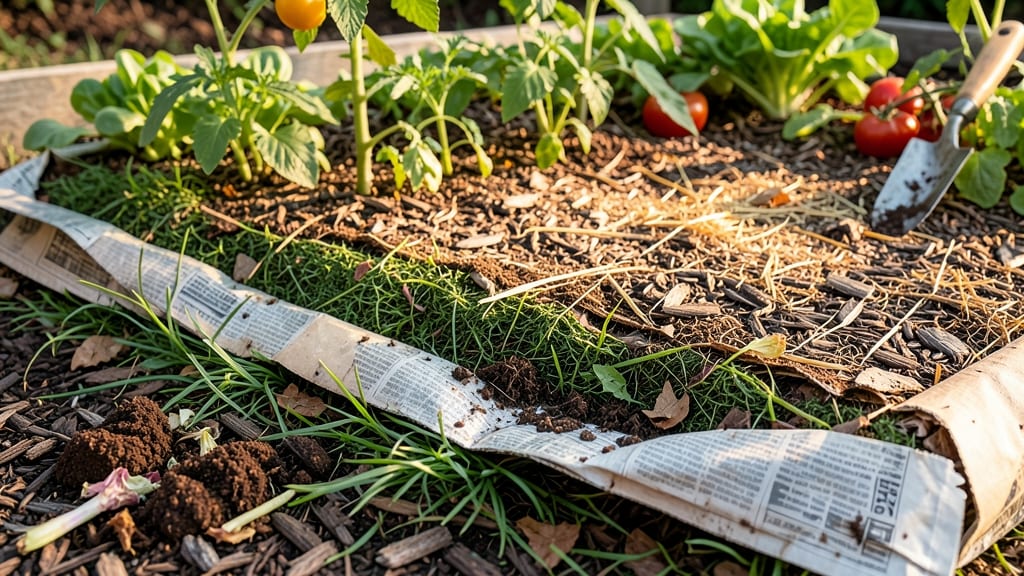
Lasagna gardening is a no-dig method of building raised beds by layering organic materials like grass clippings, leaves, and cardboard to create nutrient-rich soil that supports year-round planting while minimizing waste.
This innovative gardening technique gets its name from the way you layer materials—just like making lasagna—with alternating "green" (nitrogen-rich) and "brown" (carbon-rich) layers. 🌱 The process breaks down over time, creating a fertile, crumbly soil that retains moisture better than traditional tilling methods.
Unlike composting, which requires turning, lasagna beds work passively, making them perfect for beginners or busy gardeners who want rich soil with minimal effort.
What makes this method especially appealing is its versatility—you can use yard waste, kitchen scraps, or even cardboard boxes to build these beds. This not only reduces landfill waste but also gives you a head start on soil preparation.
I've seen gardeners in urban areas create lasagna beds in small spaces, proving it works anywhere from backyard plots to balcony containers.
💡 In This Article
- How Lasagna Gardening Builds Soil Naturally
- Best Materials and Layering Techniques for Lasagna Beds
How lasagna gardening builds soil naturally
Lasagna gardening works by stacking organic materials in layers to create a self-heating compost pile that breaks down into rich humus. The magic happens through a balanced mix of "green" (nitrogen-rich) and "brown" (carbon-rich) layers—think fresh grass clippings paired with dried leaves or straw.
This carbon-to-nitrogen ratio (about 30:1) mimics natural forest floor decomposition, where fallen leaves and twigs slowly transform into fertile soil. Unlike traditional composting, which requires turning, lasagna beds decompose passively, with the top layers insulating the heat generated below.
The decomposition process begins within days as microorganisms and fungi start breaking down the materials.
You'll notice the bed warming up like a compost pile, reaching temperatures between 120-160°F—hot enough to kill weeds and pathogens while preserving beneficial microbes. 🌱 This heat also accelerates the breakdown of tough materials like cardboard, which would take years to decompose naturally.
The result is a fluffy, crumbly soil that holds moisture better than tilled ground, reducing watering needs by up to 50% while preventing erosion.
What sets lasagna gardening apart is how it improves soil structure over time. The layered approach creates air pockets between materials, promoting root growth and preventing compaction. Unlike tilling, which disrupts soil organisms, this method preserves the natural ecosystem while gradually building organic matter.
I've seen beds that started as simple cardboard-and-leaf piles transform into dark, loamy soil within just 3-6 months, ready for planting without needing additional amendments.
The moisture retention benefits are particularly impressive. Organic materials like wood chips and straw act like a sponge, holding water near plant roots while preventing runoff. This is especially valuable in drought-prone areas or for water-conscious gardeners.
The layered structure also creates microclimates—cooler at the top for shade-loving plants and warmer deeper down for heat-tolerant varieties. This versatility allows you to grow everything from lettuce to tomatoes in the same bed, depending on placement.
One of the most fascinating aspects is how the bed evolves over seasons. In spring, you might notice faster decomposition as temperatures rise, while winter slows the process but preserves the structure. The key is to keep adding materials as they break down, maintaining that 30:1 carbon-to-nitrogen ratio.
I recommend testing your layers by grabbing a handful—if it smells like fresh soil rather than rotten eggs, you're on the right track. This natural balance ensures your bed remains productive year after year without chemical fertilizers.
For those concerned about pests, lasagna beds actually deter many common garden problems. The high carbon content repels slugs and snails, while the active decomposition creates an environment where beneficial insects thrive.
I've found that lasagna beds require 30-50% fewer pesticides than traditional gardens because the healthy soil naturally supports plant resilience. The only exception is wireworms, which prefer freshly decomposed materials—rotating crops can help manage this.