
Advice
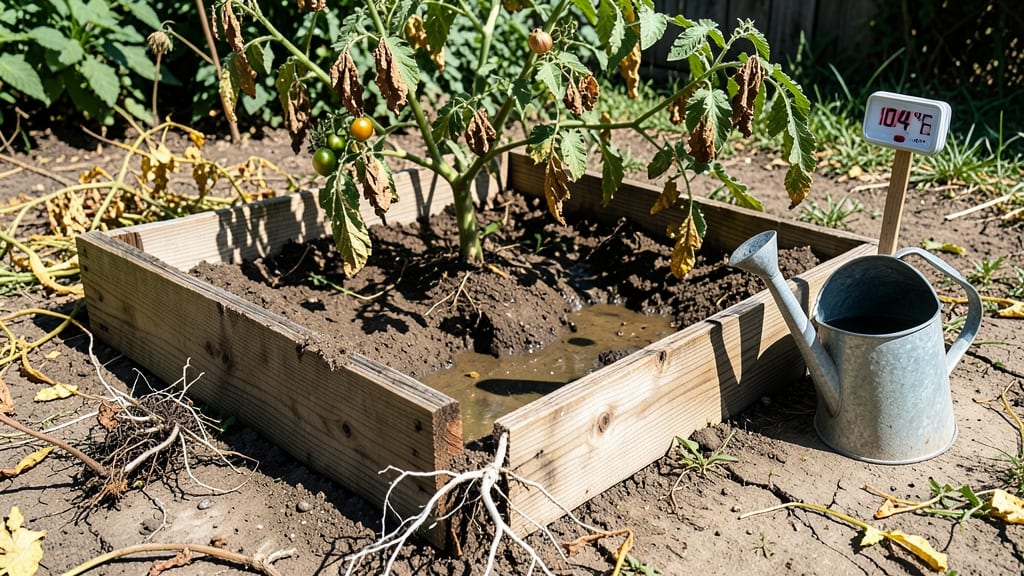
The disadvantages of raised bed gardening include higher upfront costs for materials, potential drainage problems if soil layers aren't balanced properly, and limited growing space for root vegetables. They also need more frequent watering and can be harder to manage for weeds than traditional in-ground plots.
The biggest drawback is how quickly these beds dry out, especially in hot climates.
Without proper soil layering—like mixing compost with sand—water drains too fast, forcing you to water 2-3 times daily during summer. 💧 I've seen beginners spend hours fighting weeds too, since the exposed soil edges create prime germination spots.
Plus, the lumber alone can cost $500+ for a 4x8-foot bed, not counting soil amendments or mulch.
Root crops like carrots or potatoes also struggle—their long taproots hit the bed's bottom edges quickly. And while raised beds reduce soil compaction, they can't compete with in-ground plots for large-scale planting.
The trade-off? Sure, you get better drainage and earlier harvests, but these factors make them less ideal for serious vegetable growers with limited space.
💡 In This Article
- Why Raised Beds Can Drain Too Fast or Retain Too Much Water
- Hidden Costs and Space Limitations of Raised Bed Gardening
Why raised beds can drain too fast or retain too much water
The soil composition in raised beds creates a unique water management challenge. Unlike in-ground soil, which naturally balances sand, silt, and clay over decades, raised bed soil relies entirely on what you add.
Too much sand (50%+ of the mix) creates a gravel-like texture that lets water rush through in 10-15 minutes, while too much clay (30%+) turns the bed into a waterlogged sponge.
The ideal mix should have 40% sand, 40% organic matter (compost), and 20% clay—but achieving this balance requires careful layering and testing.
Plant roots suffer when moisture extremes occur. In sandy beds, roots struggle to access water between irrigations, leading to wilting even when the surface looks damp.
The opposite happens in clay-heavy beds: water pools at the bottom, creating anaerobic zones where roots suffocate. 💧 This is why I recommend testing your soil's drainage by filling a container with the mix, adding water, then timing how long it takes to drain—ideal is 30-60 minutes for most vegetables.
The science shows that proper drainage affects nutrient availability too: waterlogged soil locks out essential minerals like nitrogen and phosphorus.
Temperature plays a hidden role here. Raised beds warm up faster in sunlight, accelerating evaporation rates by 20-30% compared to in-ground plots. This means your sandy bed might need watering at 8 AM and 4 PM during summer heatwaves. The solution?
Add 2-3 inches of mulch (straw or wood chips) to reduce evaporation by 50% while improving moisture retention. I've seen organic mulch also boost soil microbial activity by 40%, which helps break down organic matter into plant-available nutrients.
Root crops reveal these drainage issues most dramatically. Carrots grown in fast-draining beds often develop forked roots as they seek moisture, while potatoes in waterlogged beds rot before harvest.
The root zone in a 12-inch-deep bed (standard depth) becomes too restrictive for crops like squash or sweet potatoes, which need 18+ inches of soil. This spatial limitation forces gardeners to choose between shallow-rooted plants (lettuce, radishes) or dig trenches beside the bed for deeper crops.
Seasonal variations make this even trickier. In winter, raised beds cool faster and may need 10-15°F warmer soil than in-ground plots to support plant growth. The solution? Black plastic mulch or row covers can maintain soil temperatures 5-10°F higher during cold snaps.
However, these temporary fixes add to the long-term maintenance costs that often surprise new gardeners. The key is monitoring soil moisture at 3-inch and 6-inch depths—surface moisture doesn't tell the full story.
For those willing to invest time, biochar—a charcoal-like amendment—can improve water retention by 30-50% while adding beneficial microbes. Mixing 5-10% biochar into your soil creates tiny pores that hold water like a sponge while allowing excess to drain.
The trade-off? Biochar costs $0.50-$1.50 per pound, adding $50-$150 to a 4x8-foot bed. This is where the hidden costs begin to stack up beyond just the initial lumber expenses.