
Tools
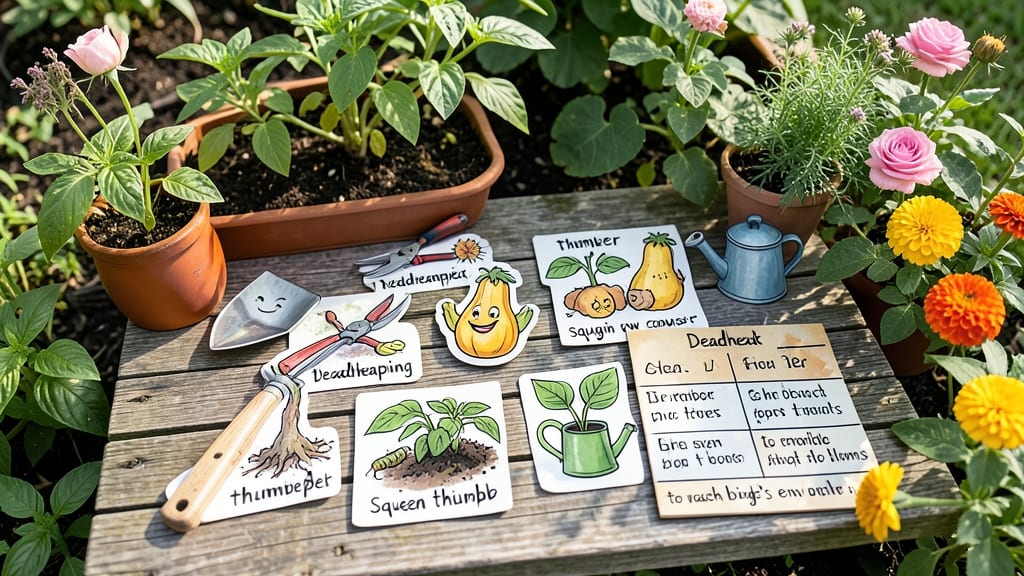
Gardening slang describes the playful, informal language gardeners use to talk about plants, tools, and growing challenges—think 'volunteer plants' for weeds or 'drowning the babies' for overwatering. These terms often carry regional flavors and shared gardening humor.
This colorful language serves as shorthand for common gardening struggles and triumphs, making conversations between green thumbs feel more personal. 🌱 For example, calling a struggling plant 'a diva' humorously explains why it needs special care, while 'hardening off' describes the process of acclimating seedlings to outdoor conditions.
Many terms originated from practical needs—like 'pruning shears' for cutting tools—or regional traditions, such as calling tomatoes 'love apples' in some Southern dialects.
What makes gardening slang so engaging is how it turns technical tasks into relatable stories. Whether you're a beginner or a seasoned gardener, understanding these terms helps you connect with the community and decode advice in forums or books.
Plus, using a few of these phrases can make your gardening chats sound like you've been growing things for years!
💡 In This Article
- Origins and Meanings of Popular Gardening Slang Terms
- How to Use Gardening Slang Like a Pro
Origins and meanings of popular gardening slang terms
The phrase "green thumb" likely traces back to 19th-century America, where it described someone with a natural talent for gardening. The term "thumb" refers to the act of pinching off seedlings—a common gardening technique.
Meanwhile, "brown thumb" emerged as the opposite, describing gardeners who consistently kill plants, often due to overwatering or poor soil conditions. These terms highlight how gardening slang often reflects real-world struggles and successes. 🌱
"Thumbs up/down" comes from the traditional way gardeners would signal healthy or struggling plants. A "thumbs up" meant a plant was thriving, while "thumbs down" indicated it needed attention. The phrase "drowning the babies" describes overwatering seedlings, which causes root rot and kills young plants.
This term became popular because it vividly captures the tragic outcome of well-intentioned overcare. Another classic example is "volunteer plants"—unplanned weeds or flowers that sprout unexpectedly, often from seeds spread by wind or animals.
Regional dialects play a huge role in gardening slang. In the American South, tomatoes are often called "love apples" due to their historical association with passion (the fruit) and their shape resembling an apple.
Meanwhile, in British gardening circles, "digging spade" might be called a "spade" or "shovel," while Americans use these terms interchangeably. Even tool names vary—what one gardener calls "pruners," another might refer to as "secateurs." These variations create a rich tapestry of regional gardening culture. 🌎
Many terms also stem from practical gardening challenges. "Hardening off" describes the process of gradually exposing seedlings to outdoor conditions before transplanting, a critical step that prevents shock.
The phrase "deadheading" refers to removing spent flowers to encourage more blooms, while "mulching" describes covering soil to retain moisture and suppress weeds. These terms evolved because they succinctly describe complex processes in simple, memorable ways. 🌿
Some slang terms even have humorous origins. Calling a difficult plant "a diva" playfully acknowledges its high-maintenance nature, while "granny plants" refers to old, overgrown houseplants that refuse to die. These phrases make gardening feel less technical and more like sharing stories with fellow enthusiasts.
Whether you're a beginner or a pro, understanding these terms helps you connect with the gardening community and decode advice in books or online forums. 💬
What's fascinating is how these terms adapt over time. For example, "urban farming" has given rise to new slang like "container gardening" or "vertical farming," reflecting modern gardening trends.
Meanwhile, older terms like "compost tea" remain popular among organic gardeners. This evolution shows how gardening slang isn't static—it grows and changes alongside the hobby itself. 🌱