
Pests
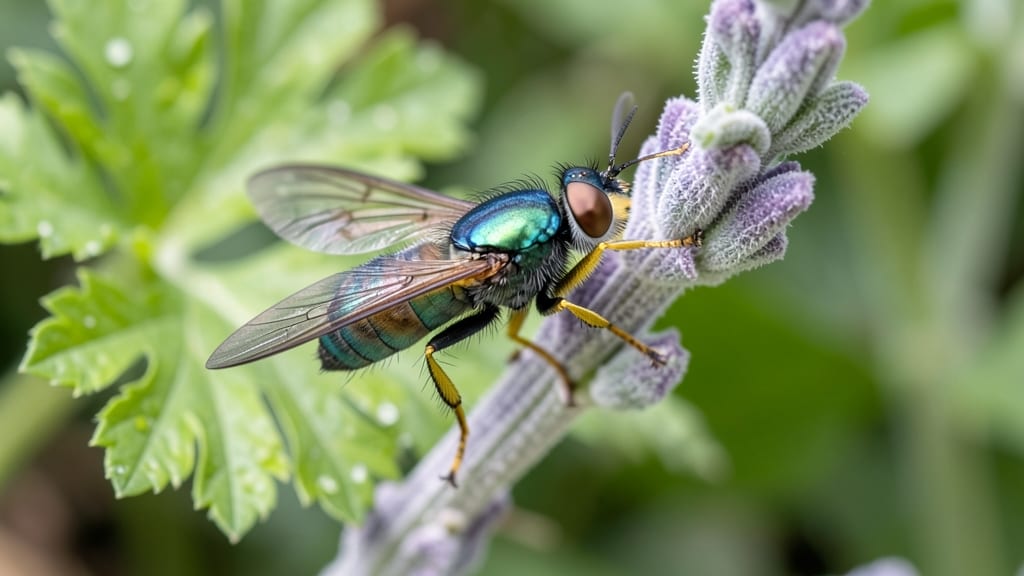
Identifying insects in garden identification is the first step to protecting your plants from damage—or even boosting their health.
Picture this: You spot tiny black spots on your leaves, and suddenly, you’re not sure whether to panic or celebrate. That’s the moment you need a quick guide to tell friend from foe, because misidentifying those little critters can mean the difference between a thriving garden and a ruined harvest.
Some insects are garden allies, like ladybugs and bees, while others—aphids, caterpillars, and beetles—can wreak havoc in just days. Without the right knowledge, you might waste time on the wrong solutions or miss the chance to nurture the good guys.
In this guide, you’ll learn how to spot common pests by appearance and behavior, when to act, and the most effective natural solutions to keep your garden flourishing—without chemicals.
How to identify common garden insects by appearance and behavior
Every gardener knows those tiny creatures buzzing around plants can make or break your harvest. Beneficial insects like ladybugs and lacewings protect your garden, while pests like aphids and caterpillars can devastate your crops in days.
Learning to spot the difference by size, color, and behavior saves you time and keeps your garden thriving. Start by examining wings, body shape, and where they hang out—these clues reveal whether your garden’s newest visitor is a friend or foe.
Color and markings are your first clue. Brightly colored insects with spots (like ladybugs) are usually beneficial, while pale green or brown insects (like aphids) often signal trouble.
Pay attention to wings and movement. Insects with delicate, lace-like wings (like lacewings) are beneficial, while those with chewing mouthparts (like beetles) are often pests.
Look for webs or tunnels in leaves. Sawfly larvae create silken tents, while caterpillars chew irregular holes. These signs help you spot damage early and act fast.
Check the undersides of leaves—aphids, mites, and mealybugs love hiding there. Use a magnifying glass to inspect for tiny clusters or sticky residue called honeydew.
Observe feeding patterns. Beneficial insects like ladybugs and lacewings hunt pests, while pests like Japanese beetles skeletonize leaves. Noticing these habits helps you decide whether to intervene.
If you spot sticky leaves or ants, it’s often a sign of aphids. Ants "farm" aphids for their honeydew, so disrupting their trails can reduce infestations.
Remember, not all insects are harmful. Spiders, ground beetles, and parasitic wasps also help control pests—leave them be unless they’re causing direct damage.
When in doubt, take a photo and compare it to a garden insect guide. Many apps and online tools can help you ID insects accurately before deciding on action.
By mastering these visual and behavioral cues, you’ll become a pro at spotting garden insects—and keeping your plants safe. Happy gardening! 🌿
Top 5 garden pests and natural solutions to eliminate them
Every gardener faces the challenge of unwanted visitors—those tiny critters that can turn your thriving plants into a buffet. The top 5 garden pests include aphids, Japanese beetles, slugs, caterpillars, and whiteflies.
These invaders don’t just nibble; they can spread diseases and stunt growth if left unchecked. The good news? You don’t need harsh chemicals to keep them in line. Natural solutions like companion planting, organic sprays, and DIY traps can restore balance to your garden without harming beneficial insects.
Identifying these pests early is key. For example, aphids cluster on new growth, leaving sticky residue called honeydew, while Japanese beetles skeletonize leaves, creating a lacy pattern. Slugs leave silvery trails at night, and caterpillars chew irregular holes in foliage.
Recognizing these signs helps you act fast before the damage spreads. Below, I’ll break down the most effective natural pest control methods ranked by ease and impact.
Natural Pest Control Methods: Pros and Cons
Organic Sprays
- Pros: Fast-acting, targets specific pests
- Cons: May harm beneficial insects if overused
Examples: Neem oil, insecticidal soap
Companion Planting
- Pros: Prevents pests naturally, improves soil
- Cons: Requires planning and space
Examples: Marigolds repel aphids, basil deters flies
DIY Traps
- Pros: Low-cost, easy to set up
- Cons: Limited to certain pests
Examples: Beer traps for slugs, yellow sticky traps for whiteflies
Beneficial Insects
- Pros: Eco-friendly, sustainable
- Cons: Slow to establish
Examples: Ladybugs for aphids, lacewings for soft-bodied pests
For aphids, a mix of water and mild soap sprayed directly on clusters works wonders. Repeat every 5-7 days until they disappear. Japanese beetles are trickier—they’re drawn to roses and grapes. Handpicking them early in the morning or using kaolin clay as a barrier can save your plants.
Meanwhile, slugs thrive in damp conditions, so copper tape around pots or diatomaceous earth creates a natural barrier.
When dealing with caterpillars, introduce parasitic wasps or use Bt (Bacillus thuringiensis), a natural bacteria that targets their digestive systems. For whiteflies, yellow sticky traps placed near plants can reduce populations quickly.
The key is consistency—pests rarely vanish overnight, but a combination of methods keeps them under control without disrupting your garden’s ecosystem.
Don’t forget to monitor your garden regularly. Early detection means less damage and fewer pests. For example, I check my tomato plants weekly for early signs of aphids or whiteflies. If you spot honeydew or chewed leaves, act immediately.
Natural solutions take time, but they’re safer for your plants—and your family—than chemical alternatives. With patience and the right approach, you can enjoy a pest-free garden without sacrificing its health.
Start with one method that fits your garden’s needs, then expand as needed. Whether it’s planting marigolds to deter pests or setting up beer traps for slugs, small steps make a big difference. Your garden will thank you! 🌱