
Tools
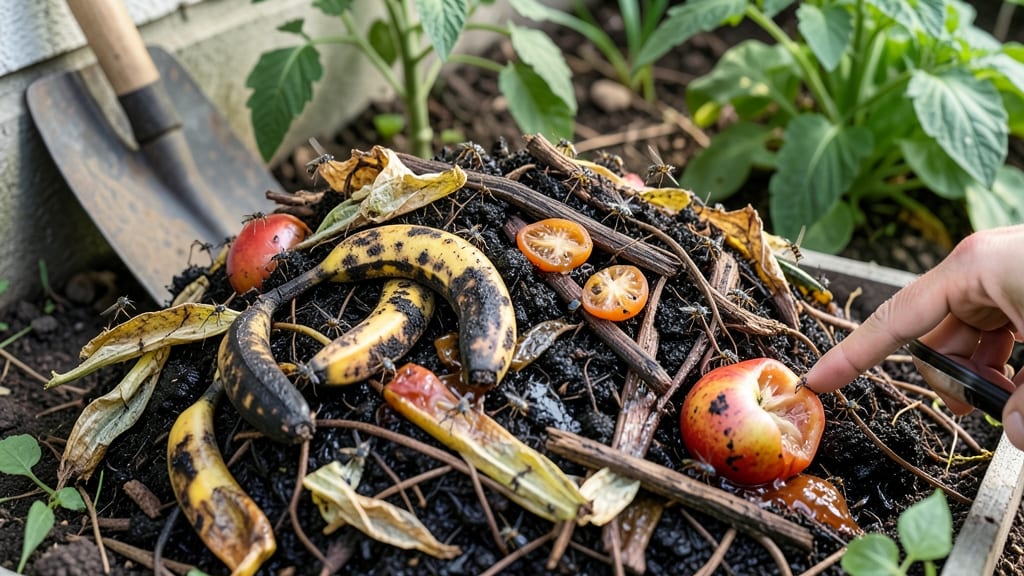
There are so many flies in your garden because decomposing organic matter, overripe fruit, standing water, and animal waste create ideal breeding grounds and food sources for them. Addressing these attractants and encouraging natural predators can significantly reduce their numbers.
Flies thrive in gardens because they're drawn to moisture, decay, and decaying plant matter—key elements that turn your outdoor space into an all-you-can-eat buffet. 🌿 Fruit flies, for example, are particularly attracted to fermenting fruit or compost piles, while house flies prefer decaying organic waste.
The lifecycle of many fly species accelerates in warm, humid conditions, which explains why infestations often spike during summer months. Understanding these patterns helps you target solutions more effectively, whether through better garden maintenance or introducing natural predators like ladybugs or parasitic wasps.
What many gardeners overlook is how quickly standing water becomes a breeding hotspot—even shallow puddles can turn into fly factories within days. Pruning overgrown plants and keeping compost piles contained also makes a surprising difference.
I've found that combining these physical changes with natural deterrents, like planting basil or marigolds, creates a multi-layered defense that flies can't easily bypass.
💡 In This Article
- Common Fly Attractants in Gardens and Their Life Cycles
- Natural Solutions to Deter Flies from Your Garden
Common fly attractants in gardens and their life cycles
Flies don't just randomly appear in your garden—they're drawn by specific conditions that align with their survival needs. Fruit flies, for instance, are attracted to fermenting organic matter, particularly overripe or rotting fruit.
Their lifecycle accelerates in warm conditions, with eggs hatching in just 8-12 hours when exposed to decaying material.
The adult flies live for about 2-3 weeks, during which they can lay up to 500 eggs in moist, organic environments. 🔥 This rapid reproduction is why a single overripe apple left on the ground can turn into a breeding ground for hundreds of flies within days.
House flies and blowflies, on the other hand, are drawn to decaying plant material, animal waste, and standing water. These species thrive in environments with high moisture levels, as their larvae require damp conditions to develop.
A single teaspoon of decaying organic matter can contain 200-300 fly eggs, and these larvae can mature into adults in as little as 7-10 days under ideal conditions.
The scent of ammonia from decomposing waste acts as a powerful attractant, signaling to flies that food and breeding sites are nearby. Even small amounts of standing water, like those in clogged drains or shallow puddles, can become breeding grounds for mosquito larvae and other fly species.
Fungus gnats, another common garden pest, are particularly drawn to moist soil and decaying plant matter. Their lifecycle is shorter than many other flies, with eggs hatching in just 3-5 days and larvae maturing in about 10-14 days.
These flies are often found in potted plants or garden beds with poor drainage, where excess moisture creates the perfect environment for their development.
The presence of fungus gnats is a clear sign that your soil may be too wet or lacks proper aeration, which can also stress your plants and make them more susceptible to other pests. 💫
Understanding these life cycles helps you target your efforts more effectively. For example, if you notice an increase in fruit flies, focus on removing overripe fruit and sealing compost piles. If house flies are the issue, address standing water and decaying organic waste.
The key is to disrupt their breeding and feeding cycles before they become established. Regular garden maintenance, such as pruning dead plants and keeping compost contained, can make a significant difference in reducing fly populations naturally.
Another critical factor is temperature. Most fly species are most active during warm months, with their populations peaking in late spring and summer when temperatures consistently exceed 70°F. This is why fly infestations often seem to explode during these seasons.
By understanding these environmental triggers, you can anticipate when fly populations will surge and take proactive steps to minimize their impact on your garden. 🌟
Finally, consider the role of scent in attracting flies. Many flies rely on their sense of smell to locate food and breeding sites. Overripe fruit emits volatile organic compounds that signal decay, while animal waste releases ammonia and other odors that are irresistible to flies.
By eliminating these attractants, you're not just removing food sources—you're also disrupting the chemical signals that flies use to find your garden in the first place.