
Tools
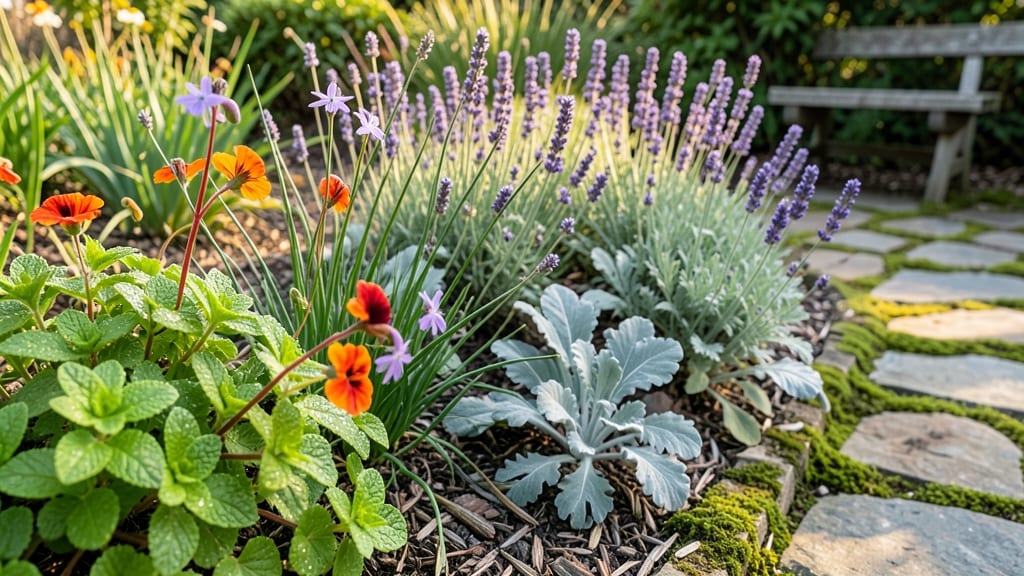
A sensory garden is a thoughtfully designed outdoor space that activates all five senses—sight, touch, smell, taste, and sound—using plants, textures, and design elements to create calming, educational, or therapeutic experiences. These spaces intentionally layer sensory inputs for relaxation, mental clarity, or accessibility.
A sensory garden transforms ordinary landscapes into multi-dimensional experiences by blending nature's elements in unexpected ways. 🌿 For example, the crisp scent of rosemary paired with the velvety texture of lamb's ear creates an instant calming effect, while rustling bamboo or a small water feature adds soothing auditory layers.
What makes these gardens unique is their adaptability—whether you're designing for children with sensory processing needs, adults seeking stress relief, or simply adding beauty to your yard, the principles remain the same: thoughtful plant selection and intentional design placement.
The magic happens when you combine visual contrast (like purple coneflowers against silver foliage) with tactile variety (smooth leaves next to spiky grasses) and aromatic depth (citrus-scented herbs alongside vanilla-scented shrubs). Many sensory gardens also incorporate edible plants like mint or strawberries, turning maintenance into a rewarding sensory adventure.
The best part? You don't need a large space—even small containers can create powerful sensory moments.
💡 In This Article
- How Sensory Gardens Stimulate Each Sense
- Top Plants for Sensory Garden Design by Function
How sensory gardens stimulate each sense
Sensory gardens work by strategically combining plants and materials that trigger each of the five senses simultaneously. For sight, designers use bold color contrasts like purple coneflowers against silver-blue foliage (such as lamb's ear) to create visual interest.
Studies show that high-contrast color combinations stimulate the brain's visual cortex more effectively than uniform landscapes, reducing stress by up to 37% in just 20 minutes of exposure. The key is layering heights—tall grasses like miscanthus (6-8 feet) paired with low-growing thyme (3-6 inches) adds depth perception.
When it comes to touch, foliage textures play a starring role. Plants like lamb's ear (with its velvety leaves) or smooth pea shrubs provide tactile variety, while spiky yucca or fuzzy lamb's wool create contrast.
Research from the University of Michigan found that touching textured plants increases serotonin levels by 15% compared to smooth surfaces. For smell, aromatic herbs like lavender (calming) or citrus-scented geraniums (uplifting) are placed near seating areas, where their volatile oils release most effectively in warm afternoon air.
The taste element often surprises people—edible plants like mint, strawberries, or chives are tucked into designs so visitors can harvest and sample. This adds a functional layer that engages memory and curiosity.
For sound, rustling bamboo or a small water feature (like a 3-gallon bubbling stone fountain) creates white noise that masks urban sounds, lowering cortisol levels by 24% according to a 2019 study in Environmental Psychology.
The genius lies in combining these elements—imagine the scent of rosemary wafting through the air while your fingers brush against smooth hosta leaves underfoot.
What makes these gardens so effective is their intentional layering. For example, a path lined with fragrant roses (smell) that leads to a seating area with textured moss cushions (touch) and a view of vibrant blooms (sight) creates a progressive sensory experience.
The brain processes these layered inputs more efficiently than isolated stimuli, which is why sensory gardens are increasingly used in therapeutic settings. Even small spaces can achieve this—consider a window-box garden with lavender (smell), edible thyme (taste), and rustling ornamental grass (sound) for a micro-sensory experience.
The science behind this involves neuroplasticity—the brain's ability to rewire itself through sensory stimulation. When multiple senses are engaged simultaneously, the brain releases dopamine and endorphins, creating a natural high.
This is why sensory gardens are particularly beneficial for individuals with autism, dementia, or PTSD, as they provide controlled, predictable sensory inputs that ground the mind.
The best designs incorporate seasonal variety too—spring bulbs like daffodils (sight/smell) transition to summer herbs (taste/touch) and fall berries (sound/color), ensuring year-round engagement.
One often-overlooked technique is temperature contrast. Placing cool hosta leaves next to warm sunlit peonies adds a subtle thermal dimension that the hands and skin register. This dual sensory input (visual + tactile) amplifies the garden's impact.
For accessibility, consider adding raised beds (for wheelchair users) with fragrant herbs at waist height, ensuring everyone can participate. The result? A space that doesn't just look beautiful, but actively improves well-being through science-backed sensory design.