
Pests
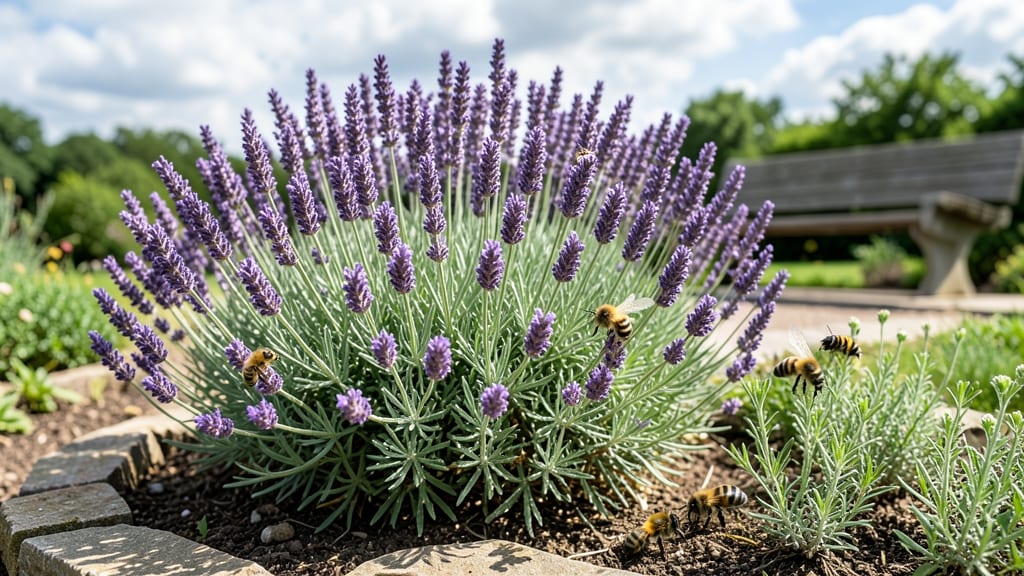
Bees in a garden are essential pollinators that transfer pollen between plants, dramatically increasing fruit, vegetable, and flower production. Planting native wildflowers and herbs creates natural habitats that attract them while strengthening local ecosystems.
These tiny but mighty insects are nature's garden helpers, responsible for pollinating up to one-third of our food crops. 🐝 When bees visit flowers, they collect nectar and pollen, accidentally transferring pollen from one plant to another—a process called cross-pollination.
This leads to stronger, more abundant harvests and helps maintain plant biodiversity. Unlike self-pollinating plants, those that rely on bees produce more vibrant blooms and higher-quality produce.
The key is planting a diverse mix of flowering plants that bloom at different times throughout the growing season, ensuring bees always have fresh food sources.
Beyond just food production, bees contribute to healthier soil and more resilient ecosystems. Their activity encourages plant reproduction, which in turn supports other wildlife. For example, a garden with thriving bee populations will often attract beneficial insects like ladybugs and lacewings, which help control pests naturally.
The best approach is to create a "bee buffet" with a variety of native plants, avoiding pesticides, and providing water sources like shallow dishes with pebbles.
💡 In This Article
- How Bees Pollinate Plants and Improve Garden Productivity
- Best Flowering Plants to Attract Bees to Your Garden
How bees pollinate plants and improve garden productivity
When bees land on flowers, their fuzzy bodies brush against tiny pollen grains that stick to their legs and abdomen. As they move from plant to plant, these grains transfer—this accidental process is called cross-pollination.
Unlike self-pollination (where plants fertilize themselves), cross-pollination creates genetic diversity, leading to stronger plants with higher yields.
For example, a tomato plant pollinated by bees produces 20-30% more fruit than one that self-pollinates, with larger, more flavorful tomatoes. 🌱 The key is that bees prefer flowers with open structures, like lavender or sunflowers, where pollen is easily accessible.
Bees aren't just efficient—they're strategic foragers. A single honeybee can visit up to 5,000-7,000 flowers in a day, covering distances of 3-5 miles from their hive. Their foraging patterns ensure pollen spreads across wide areas, boosting fruit set in crops like apples, berries, and squash.
Studies show that gardens with active bee populations see up to 90% better pollination rates for wind-sensitive plants, which rely on insects rather than breezes to transfer pollen. The buzzing you hear isn't just noise—it's the sound of a highly efficient ecosystem at work.
This pollination process directly impacts your harvest's quality. Cross-pollinated fruits and vegetables tend to be sweeter, juicier, and more nutritious because their genetic diversity strengthens their resilience. Take blueberries: bee-pollinated bushes produce larger berries with thicker skins, reducing spoilage.
The same goes for cucumbers—bee-visited plants yield straighter, firmer produce with fewer seeds. Without bees, many of these crops would either fail to set fruit or produce inferior-quality harvests. 🍓 The science is clear: more bees mean more abundant, healthier gardens.
Bees also play a hidden role in plant biodiversity. By moving pollen between different plant species, they help maintain genetic variety in wildflowers and native plants. This diversity makes ecosystems more resilient to pests and diseases.
For instance, a garden with 10+ different flowering plants will attract more bee species than one with just a few types, creating a self-sustaining pollinator network. The more types of bees you host—bumblebees, solitary bees, and honeybees—the better your garden's long-term health will be.
Here's what happens when bees thrive in your garden:
- Fruit trees: Apple and pear trees see 30-50% more fruit when bees are active
- Vegetables: Squash and cucumbers develop fewer deformed fruits and better flavor
- Flowers: Annuals like zinnias produce more blooms per stem with consistent pollination
- Herbs: Basil and cilantro grow fuller and bushier when bees visit regularly
The best part? You don't need a large space to make a difference. Even a 5x5-foot patch of bee-friendly plants can support dozens of bees, creating a mini pollinator oasis.
The more you plant, the more bees will visit—and the more your garden will reward you with vibrant blooms and bountiful harvests. 🌿