
Tools
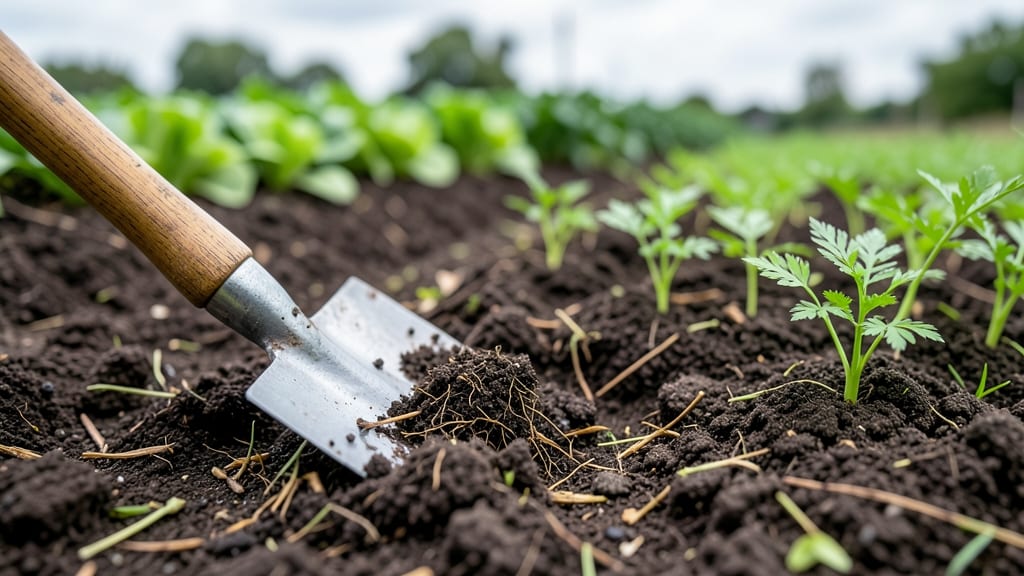
A garden hoe is used for breaking up soil, removing weeds, leveling garden beds, and creating furrows for planting. Its versatile head design makes it ideal for both cultivation and maintenance tasks in garden prep.
A garden hoe is your secret weapon for keeping garden beds healthy and weed-free. 🌱 The right tool can slice through soil crust, disrupt weed roots before they sprout, and even create neat planting rows with minimal effort.
I’ve found that using a stirrup hoe for weeding between rows cuts down on back strain compared to traditional digging—its angled blade lets you work standing up. For larger areas, a draw hoe with its long handle is perfect for chopping soil without bending over.
What makes hoes so essential is how they combine multiple tasks into one tool. Beyond weeding, they help aerate compacted soil, distribute mulch evenly, and even mark planting lines with precision.
The key is choosing the right head shape—flat blades work best for chopping, while pointed tips excel at targeting deep-rooted weeds. I always keep mine sharp; a dull edge makes every task twice as hard.
💡 In This Article
- How Garden Hoes Improve Soil Health and Plant Growth
- 5 Essential Tasks for a Garden Hoe in Weeding and Soil Care
How garden hoes improve soil health and plant growth
The magic of a garden hoe lies in its ability to physically disrupt soil structure at the microscopic level. When you drag a hoe blade through compacted earth, you're breaking apart dense clay particles and creating tiny air pockets—this process is called aeration.
Fresh air and water can now penetrate deeper, which is crucial because plants' roots need oxygen to respire. Studies show that well-aerated soil can improve root growth by up to 30% compared to compacted soil, giving your plants a stronger foundation. 🌱
Different hoe designs target specific soil issues. A stirrup hoe, for example, has a narrow blade that slices through weeds at ground level without disturbing surrounding soil—a technique called surface cultivation. This preserves beneficial soil organisms while removing weed seeds before they germinate.
Meanwhile, a draw hoe's wide, flat blade chops through hardpan layers, breaking up that stubborn 2-3 inch deep crust that forms after rain. The key difference is in the blade angle: stirrup hoes work at 45 degrees for precision, while draw hoes operate vertically for brute-force tilling.
Weed control works through a clever mechanism: hoes sever weed roots before they establish deep systems. When you chop weeds at the soil line, you're removing their ability to photosynthesize and transport water—this causes them to wither within 24-48 hours.
The warren hoe, with its pointed tip, can even target dandelions and clover by penetrating 1-2 inches below the surface, where their taproots begin. This precision saves you from pulling weeds by hand, which can uproot desirable plants too.
Beyond weeds, hoes improve drainage by creating micro-channels in the soil. When you make shallow cuts during preparation, water can flow more freely instead of pooling around roots—a critical factor for plants like tomatoes that hate soggy feet.
The blade's design also helps distribute organic matter evenly. For instance, a scuffle hoe with its 4-inch wide head lets you push mulch into planting rows without creating clumps, which prevents rot and encourages even moisture absorption.
One often overlooked benefit is how hoes prevent soil erosion. By creating shallow ridges during planting, they create natural water catchment areas that slow runoff. This is particularly valuable in sloped gardens where water would otherwise wash away precious topsoil.
The right technique involves making cuts at 1-2 inch intervals, creating a staggered pattern that mimics natural contour lines. This method can reduce erosion by up to 50% in heavy rain conditions. 💧
For maximum effectiveness, timing matters. The best time to use a hoe is when the soil is moist but not muddy—this creates ideal resistance for clean cuts. In dry conditions, hoes become less effective as the soil hardens, while overly wet soil clumps to the blade.
I've found that early morning hoeing, when dew is present but hasn't evaporated, gives the cleanest results for both weeding and soil prep.