
Tools
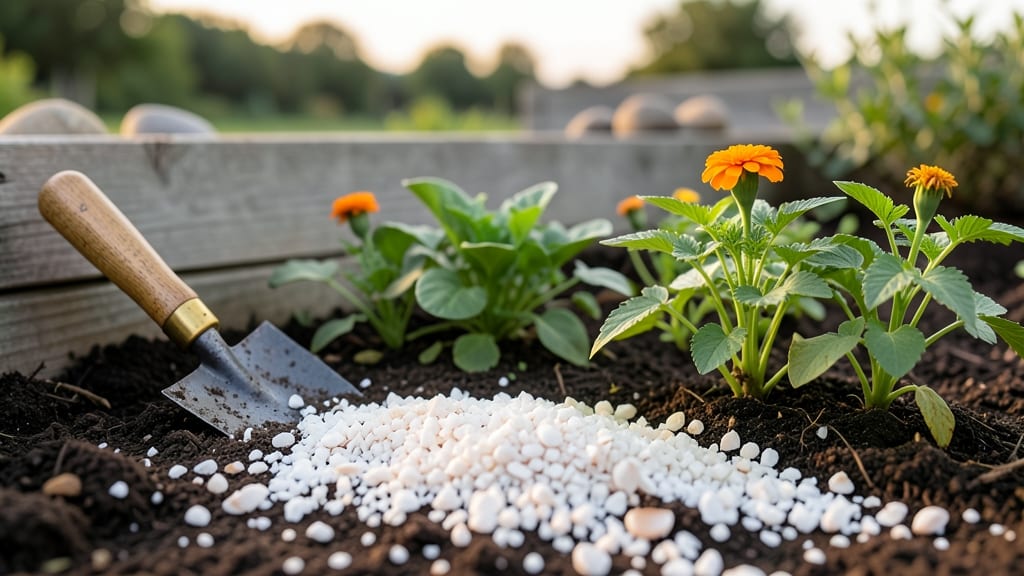
Using egg shells in the garden boosts soil health by providing calcium and magnesium while naturally repelling slugs and pests with their jagged edges. For best results, bake and crush them into fine pieces before mixing into compost or planting areas.
Eggshells are like nature's slow-release fertilizer, packed with calcium carbonate that strengthens plant cell walls and magnesium that supports photosynthesis. 🌱 Unlike synthetic amendments, they break down gradually, preventing nutrient spikes that can harm roots.
I've seen tomatoes and peppers thrive when I mix crushed shells into their planting holes—they develop sturdier stems and better fruit set. Plus, the sharp edges create a physical barrier that slugs and snails avoid, making them a dual-purpose garden helper.
For maximum benefits, sterilize shells by baking them at 200°F for 10 minutes to kill bacteria, then crush into a fine powder using a mortar and pestle or blender. Sprinkle around plants or work into compost—just avoid overdoing it, as too much can raise soil pH too quickly.
This method works especially well for acid-loving plants like blueberries, where you'd want to use it sparingly.
💡 In This Article
- How Eggshells Enhance Soil Fertility and Plant Growth
- Practical Ways to Use Eggshells in Your Garden
How eggshells enhance soil fertility and plant growth
Eggshells are primarily composed of calcium carbonate (about 95%) with traces of magnesium, potassium, and phosphorus—minerals that act like a slow-release fertilizer. When crushed and incorporated into soil, the calcium directly strengthens plant cell walls, improving rigidity and disease resistance.
For example, tomatoes and peppers benefit from this added structural support, producing sturdier stems that can better support heavy fruit loads. The magnesium content, though smaller, plays a crucial role in chlorophyll production, which boosts photosynthesis and overall plant vigor. 🌱
The slow-release nature of eggshells sets them apart from synthetic fertilizers, which often flood the soil with nutrients all at once. Instead, eggshells break down gradually over months, preventing nutrient spikes that can burn plant roots. This makes them particularly effective for long-term soil improvement.
For comparison, crushed limestone also provides calcium but lacks the magnesium and organic matter benefits of eggshells. Meanwhile, bone meal delivers phosphorus but requires much longer decomposition times (up to 6 months) compared to eggshells' 3-6 month breakdown period.
Soil pH balance is another key benefit. Eggshells are slightly alkaline (pH ~8.5), which helps neutralize overly acidic soils. This is especially valuable for acid-loving plants like blueberries, where you'd want to use eggshells sparingly to avoid raising pH too quickly.
The ideal application rate is about 1 cup of crushed shells per plant, mixed into the top 6 inches of soil. This amount provides enough calcium without creating an abrupt pH shift that could stress plants.
The physical structure of crushed eggshells also improves soil aeration and drainage. The jagged edges create tiny air pockets when mixed into soil, enhancing root respiration. This is particularly beneficial for container gardens where soil compaction is a common issue.
Unlike powdered amendments that can clump, eggshells maintain their granular texture even after decomposition begins, providing ongoing structural benefits. 🌿
What most gardeners don't realize is how eggshells support beneficial soil microbes. The calcium carbonate creates a slightly alkaline micro-environment that encourages the growth of beneficial bacteria and fungi. These microbes then help break down organic matter more efficiently, creating a more fertile growing medium.
This microbial boost is why plants often show improved growth not just from the direct mineral benefits, but from the enhanced soil ecosystem that develops around the eggshell fragments.
For best results, combine eggshells with other organic amendments like compost or worm castings. The organic matter provides the carbon needed for microbial activity, while the eggshells supply the essential minerals.
This combination creates a balanced soil environment where plants can thrive. The synergy between these materials is what makes eggshells a versatile addition to any garden soil improvement strategy. 💫