
Tools
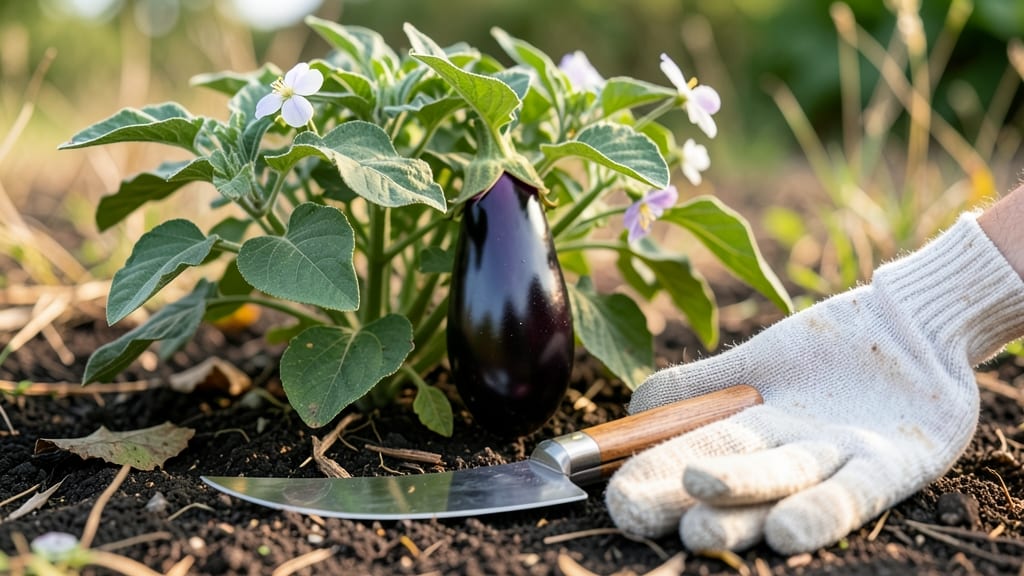
Garden eggs are large, egg-shaped fruits from the Solanum aethiopicum plant, often confused with eggplants or tomatoes due to their glossy skin and similar family ties. These nutrient-packed fruits shine in West African and Caribbean dishes for their unique taste and adaptability in cooking.
A garden egg isn't just another vegetable—it's a flavor powerhouse with a texture between eggplant and tomato. 🌱 While it belongs to the same botanical family as tomatoes and peppers, its thick, glossy skin and meaty interior set it apart.
Many chefs love it for its ability to absorb flavors without losing its natural sweetness, making it perfect for frying, stewing, or even pickling.
What makes this fruit truly special is its versatility in both traditional and modern dishes. 💫 In West African cuisine, it's often used in soups and stews, while Caribbean cooks frequently incorporate it into spicy fritters.
The key to unlocking its full potential lies in selecting firm, unblemished fruits and preparing them properly—whether that means slicing, dicing, or leaving them whole for heartier recipes.
💡 In This Article
- Garden Egg vs Eggplant: Key Differences and Botanical Facts
- How to Grow and Cook Garden Eggs Like a Pro
Garden egg vs eggplant: key differences and botanical facts
The confusion between garden eggs and eggplants stems from their shared botanical family, the Solanaceae, but their differences are striking when you examine their growth patterns and fruit structure.
Garden eggs (Solanum aethiopicum) grow on compact, bushy plants that reach only 3-4 feet tall, while eggplants (Solanum melongena) thrive on sprawling vines that can stretch up to 6 feet or more.
The garden egg's fruit hangs directly from the stem, whereas eggplant fruits grow on lateral branches, creating a distinct architectural difference in the plant.
Visually, garden eggs have a thicker, glossier skin that ranges from deep purple to green, while eggplant skin is typically matte and varies from white to deep purple-black. Inside, garden eggs contain fewer seeds and more edible flesh—about 70-80% of the fruit's volume—compared to eggplant's spongy, seed-filled interior.
Nutritionally, garden eggs pack more vitamin C (15mg per 100g) and potassium than eggplants, making them a superior choice for nutrient-dense dishes. 🌿
What truly sets garden eggs apart is their flavor profile. When cooked, they develop a slightly sweet, tomato-like taste with a firmer texture than eggplant, which absorbs oils and marinades more readily.
This makes garden eggs ideal for dishes where you want to retain some bite, like West African pepper soup or Caribbean-style fritters. The fruit's high moisture content also means it releases fewer bitter compounds during cooking, a common issue with eggplants.
Botanists classify garden eggs into several varieties based on fruit shape and color, including the green-fruited and purple-fruited types. The green varieties often have a milder flavor, while purple-fruited garden eggs tend to be slightly more robust.
Unlike eggplants, which are typically harvested when fully mature, garden eggs are best picked when firm but still slightly underripe for optimal texture. This timing ensures the fruit's flesh remains dense and flavorful rather than fibrous or watery.
Another key distinction lies in their culinary applications. Garden eggs hold their shape better when fried or grilled, making them perfect for whole-fruit preparations like Ghanaian garden egg stew. Meanwhile, eggplants are more commonly sliced or diced for dishes where they'll absorb flavors, like baba ganoush or ratatouille.
The garden egg's thicker skin also means it requires slightly longer cooking times—typically 15-20 minutes in stews versus eggplant's 10-15 minutes—to achieve tender flesh.
For home gardeners, this distinction matters when selecting seeds. Garden egg plants thrive in warm climates (70-85°F) and prefer well-draining soil with a pH of 6.0-6.8, while eggplants are more adaptable to cooler conditions.
The garden egg's compact growth habit also makes it ideal for container gardening, whereas eggplants need more space to sprawl. 🌱 Understanding these differences helps you choose the right plant for your culinary goals.
What most people don't realize is that garden eggs were historically cultivated in Ethiopia and West Africa long before eggplants became popular globally. Their unique flavor and texture have made them a staple in regional cuisines, where they're often used as a meat substitute due to their substantial, meaty consistency.
This botanical and cultural richness is what makes garden eggs so special compared to their more widely known cousin, the eggplant.