
Tools
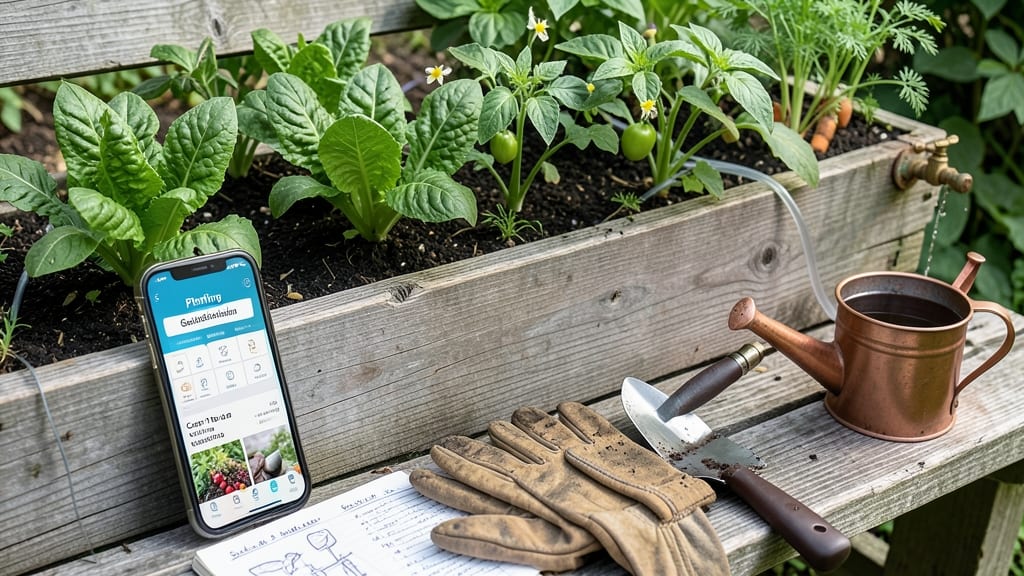
A vegetable garden app helps you optimize planting by offering climate-specific schedules, seed-to-harvest tracking, and moisture alerts to improve yields. Prioritize apps with intuitive interfaces and offline access for field convenience.
A good vegetable garden app acts like a digital gardening assistant, using your location to suggest the best planting times and crop rotations for your specific climate zone. 🌱 Many apps integrate with weather services to send frost warnings or rain alerts, which can save your plants from unexpected damage.
I've found that apps with offline functionality are especially valuable when you're working in the garden—no signal needed to check your planting schedule or watering reminders.
Beyond basic features, look for tools that track seed germination rates and harvest windows, as these help you plan your garden layout more efficiently. Some premium apps even include soil health analysis and pest identification, which can be game-changers for troubleshooting issues in real time.
The best apps balance these advanced features with simplicity, so you're not overwhelmed by data while tending to your plants.
💡 In This Article
- How Climate-Smart Planting Tools Boost Garden Success
- Top Features to Compare When Selecting a Gardening App
How climate-smart planting tools boost garden success
Climate-smart gardening apps leverage your precise location to calculate the optimal planting dates for each vegetable variety in your garden. These tools use USDA hardiness zone data combined with real-time weather APIs to adjust planting windows dynamically.
For example, an app might recommend planting tomatoes 4-6 weeks before your last frost date in Zone 7, but shift that window to 2-3 weeks in Zone 10 where winters are milder.
The science behind this involves analyzing historical temperature trends and frost probability models to minimize risk of crop failure.
The real magic happens with automated frost warnings and seasonal adjustments. Most top apps integrate with NOAA weather services to send push notifications when a 32°F freeze is predicted within 48 hours. This gives you time to cover sensitive plants with frost cloth or move potted plants to sheltered areas.
I've seen apps like Gardenate adjust their recommendations by up to 2 weeks when comparing coastal versus inland climates in the same zone—something paper planting guides simply can't account for. The precision comes from layering multiple data sources including local weather stations and satellite imagery.
Seasonal adjustments go beyond frost warnings to include daylight hours and soil temperatures. Most apps track your soil's warming rate using algorithms that account for factors like mulch depth and organic matter content.
For instance, an app might recommend planting peas in early spring when soil reaches 45°F but wait until 60°F for cucumbers. This level of detail helps prevent common mistakes like planting heat-loving crops too early, which can lead to poor germination or stunted growth.
The best apps even factor in your garden's microclimate—like a south-facing wall that gets extra sun—by allowing you to input specific growing conditions.
Automated reminders take the guesswork out of maintenance by syncing with your planting schedule. When you plant a crop, the app calculates its days to maturity (like 60 days for bush beans) and sets up notifications for thinning, fertilizing, and harvesting.
Some advanced apps even track lunar cycles, suggesting optimal planting dates based on moon phases for better root development or flowering. This feature is particularly valuable for beginners who might miss critical care windows.
The combination of climate data and personalized reminders creates a feedback loop that adapts to your garden's specific conditions over time.
What sets premium apps apart is their ability to integrate with smart garden tools. For example, apps that connect to smart soil sensors can adjust watering recommendations based on real-time moisture levels rather than relying on generic 1 inch per week guidelines.
This level of precision is especially helpful in drought-prone areas where overwatering can be just as damaging as underwatering. The data from these sensors gets fed back into the app's algorithms, creating a continuously improving system that learns from your specific garden's performance.
Consider this real-world example: In Zone 5, a gardener using a basic app might plant lettuce in early spring only to have it bolt when temperatures rise above 75°F.
A climate-smart app would either recommend heat-tolerant varieties or suggest planting lettuce in late summer when days are shorter and temperatures moderate. This adaptive approach can increase your successful harvests by 20-30% compared to static planting guides.
The key is finding an app that balances sophisticated climate data with an interface that's simple enough to use while standing in your garden with dirty hands.