
Tools
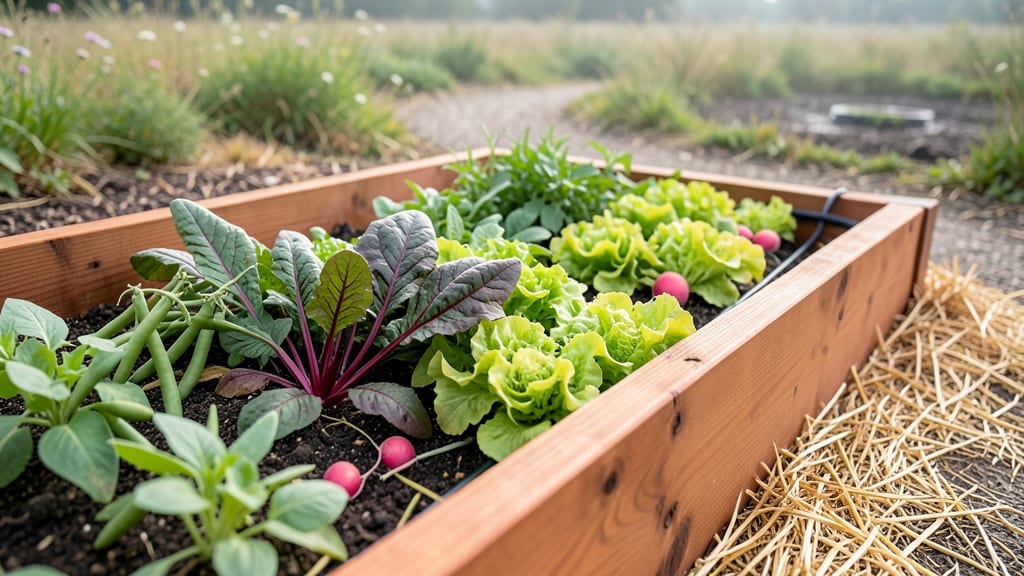
Creating a vegetable garden near a septic field requires keeping plants at least 10 feet away to avoid root damage and contamination, though shallow-rooted vegetables like lettuce and radishes can grow closer if soil tests confirm proper drainage and nutrient balance.
Septic systems rely on soil to naturally filter wastewater, so plant roots disrupting this process can cause backups or leaks. 🌱 The 10-foot buffer is a general guideline, but local health departments often enforce stricter rules—always check before planting.
For closer spacing, focus on crops that won’t stress the soil, like herbs or bush beans, and consider raised beds with amended soil to improve drainage and reduce contamination risks.
What many gardeners overlook is how soil saturation plays a role—heavy rainfall or poor drainage near the septic field can create ideal conditions for harmful bacteria to spread.
Conducting a soil test before planting helps identify potential issues early, allowing you to adjust your garden layout or use soil amendments like compost to improve structure.
If you're set on growing near the septic field, prioritize low-water, shallow-rooted plants that won’t compete with the system’s natural filtration process. Crops like kale, Swiss chard, or green onions are excellent choices because they thrive in well-drained soil and won’t disrupt the septic field’s function over time.
💡 In This Article
- Septic Field Safety Zones for Vegetable Gardens
- Best Low-Maintenance Vegetables for Septic-Proximity Gardens
Septic field safety zones for vegetable gardens
The 10-foot safety zone around septic fields isn't arbitrary—it's based on how wastewater travels through soil. Septic systems rely on a process called "soil absorption," where bacteria and soil particles break down waste.
Roots within this zone can disrupt the soil's natural filtration, creating pathways for contaminants like nitrogen and pathogens to bypass treatment. Studies show that even shallow roots can alter soil structure, reducing its ability to filter wastewater by up to 30% over time.
Soil composition plays a huge role in safe distances. Clay-heavy soils, common in many regions, hold water longer and slow filtration, increasing contamination risks near septic fields. Sandy soils drain faster but may not provide enough filtration.
The ideal soil for septic systems is loamy—with a mix of sand, silt, and clay—that balances drainage and filtration. If your soil is dense or poorly draining, the safe distance might need to extend to 20 feet or more, depending on local regulations.
Local health departments often enforce stricter rules than the general 10-foot guideline. Some states require 50-foot buffers for wells and water sources, while others mandate septic-specific zones. Always check your county's health department website or call for exact measurements—some areas even require soil percolation tests before approving garden layouts.
Ignoring these rules can lead to costly repairs or even legal penalties if contamination occurs.
Root intrusion isn't the only concern—water saturation matters too. Heavy irrigation from gardens near septic fields can overwhelm the system, especially during dry spells when soil naturally absorbs less. This is why drought-resistant plants are critical in proximity gardens.
Even shallow-rooted crops like lettuce can stress the soil if overwatered, leading to effluent backup—a messy and expensive problem to fix.
For those who must garden closer, consider raised beds with amended soil. Adding organic matter like compost improves drainage and reduces contamination risks by creating a buffer between plant roots and the septic drain field.
These beds also allow better control over soil composition, ensuring nutrients don't leach into the septic system. The key is maintaining well-aerated, fast-draining soil that mimics the natural filtration process.
What most gardeners miss is how seasonal changes affect safety. Spring and fall rains can saturate soil near septic fields, increasing contamination risks. During these times, avoid heavy irrigation or planting deep-rooted crops.
Instead, focus on shallow-rooted vegetables that won't disrupt soil structure. Monitoring soil moisture with a simple soil moisture meter can help you adjust watering practices and keep your garden—and septic system—healthy.
Remember: the 10-foot rule is a baseline, not a strict law. With proper soil testing, drainage management, and plant selection, you can create a thriving garden near your septic field—without the risks. 🌱