
Tools
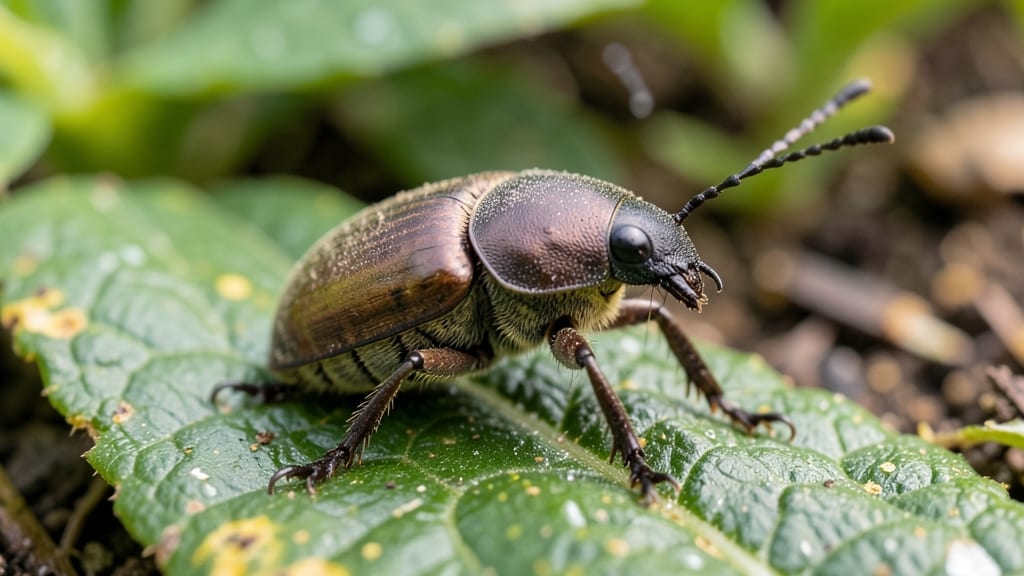
Natural predators that eat garden snails include birds like thrushes and blackbirds, amphibians such as frogs and toads, reptiles like garter snakes, mammals including hedgehogs and shrews, and beneficial insects like ground beetles and rove beetles. These creatures play a crucial role in keeping snail populations in check.
Garden snails face a surprising number of hungry predators in their environment. 🌿 Many of these creatures rely on snails as a primary food source, especially during breeding seasons when protein demands are highest.
Birds like thrushes actively hunt snails during dawn and dusk, while hedgehogs and shrews forage at night, using their keen senses to locate hidden snails. The presence of these predators often correlates with healthier garden ecosystems, as they help balance populations without the need for chemical interventions.
What makes this natural control system so effective is how predators adapt to different garden conditions. For example, frogs and toads thrive near water sources, while ground beetles prefer moist, shaded areas.
Understanding these preferences can help gardeners create habitats that attract more predators. 🌱 By adding log piles for hedgehogs or shallow dishes of water for amphibians, you're essentially inviting nature's pest control team to your garden.
💡 In This Article
- How Natural Predators Hunt and Control Snail Populations
- Encouraging Snail Predators in Your Garden
How natural predators hunt and control snail populations
Birds like thrushes and blackbirds employ a dawn-and-dusk hunting strategy—they wait until snails emerge from their shells to forage, using their sharp beaks to extract the soft bodies.
A single thrush can consume up to 50 snails per day during peak seasons, making them one of the most effective snail controllers. Their hunting success relies on visual cues: they target snails crawling on leaves or soil surfaces, avoiding those hidden in dense mulch. 🌅
Nocturnal predators such as hedgehogs and shrews use vibrational and olfactory senses to locate snails. Hedgehogs, for example, forage for 3-5 hours each night, sniffing out snails by their slime trails.
Their spiky bodies allow them to access tight spaces where snails hide, while shrews—weighing just 2-10 grams—can squeeze into cracks to hunt. These mammals are especially effective in gardens with leaf litter or compost piles, where snails thrive. 🌙
Amphibians like frogs and toads rely on ambush tactics near water sources. A toad can eat 100+ snails in a single night by patiently waiting for prey to pass by. Their sticky tongues launch in 0.07 seconds, making them nearly unstoppable.
Climate plays a key role here—drier conditions force snails to stay near moisture, increasing their exposure to amphibian predators. 💧
Ground beetles and rove beetles, though tiny (5-15mm long), are relentless hunters. They use their mandibles to crush snails' shells, often targeting young snails or eggs. These insects prefer moist, shaded microhabitats like under boards or rocks, where snails cluster.
Their presence is a sign of a healthy soil ecosystem, as they also control other pests like slugs and caterpillars. 🐞
Reptiles like garter snakes hunt by tracking slime trails, using their forked tongues to detect chemical cues. They strike with precision, swallowing snails whole. Their effectiveness peaks in warm, humid climates, where snail activity is highest.
In cooler regions, their role diminishes, explaining why snail outbreaks are more common in northern gardens during mild winters. 🐍
What most gardeners don't realize is that predator diversity is the key to long-term snail control. A garden with thriving birds, amphibians, and beetles creates a multi-layered defense system—no single predator can eliminate snails alone, but together, they maintain balance.
This natural regulation is why organic gardeners prioritize habitats that support these creatures over chemical solutions. 🌱