
Size
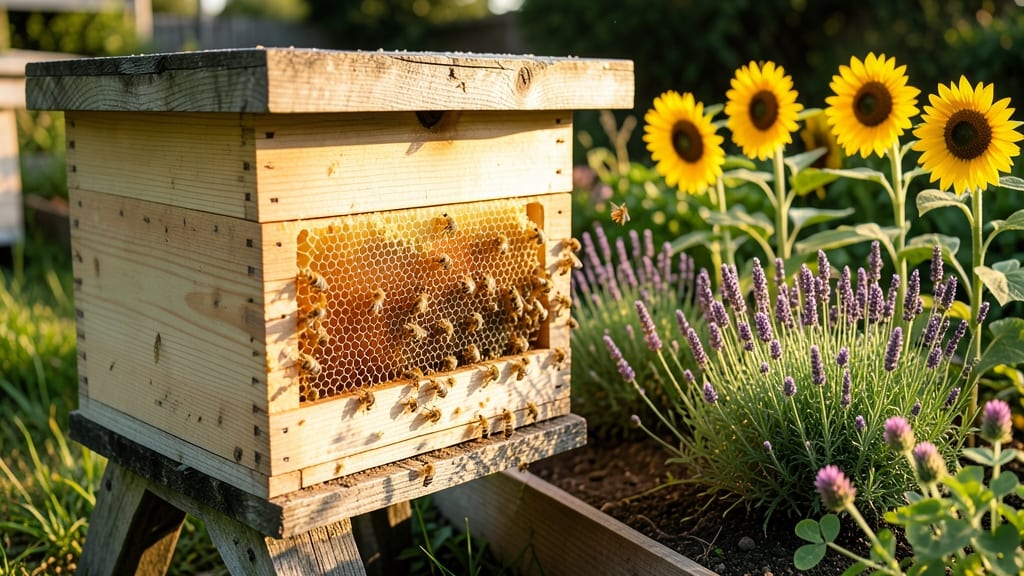
The bee crate in Grow a Garden creates a safe nesting environment for solitary bees, which dramatically improves pollination rates for fruits, vegetables, and flowers in your garden. These hardworking pollinators are more efficient than honeybees for certain crops, and the crate requires almost no upkeep once installed.
The bee crate essentially acts as a miniature bee hotel, offering protected cavities where solitary bees can lay their eggs and raise their young. 🐝 Unlike honeybees, these solitary species are incredible pollinators for specific plants like tomatoes, blueberries, and squash—they visit flowers more thoroughly, ensuring better fruit set.
The crate's design mimics their natural nesting preferences, so you'll see increased pollination activity within weeks of installation. Plus, it's a low-maintenance solution that works year after year with just occasional checks for moisture or pests.
What makes this setup particularly effective is how it targets the 70% of flowering plants that rely on solitary bees for pollination. Many gardeners notice 20-30% higher yields in compatible crops after installing one, making it a smart investment for both organic and conventional gardeners alike.
The best part? You don't need to feed or manage the bees—they'll do all the work for you.
💡 In This Article
- How Solitary Bees Boost Garden Pollination
- Setting Up and Maintaining Your Bee Crate
How solitary bees boost garden pollination
Solitary bees are nature's unsung heroes for gardeners—they outperform honeybees in pollinating specific crops by visiting 20-50% more flowers per hour. Unlike honeybees that work in colonies, solitary bees operate independently, focusing intensely on individual plants like tomatoes, blueberries, and squash.
Their fuzzy bodies pick up pollen more efficiently, ensuring better fruit set and larger yields. The bee crate replicates their natural nesting preferences by providing 1/4-inch to 1/2-inch diameter cavities in materials like bamboo or drilled wood, which mimics hollow stems and pithy plants they'd use in the wild.
The crate's design triggers a behavioral response in these bees. When they find the perfect nesting site, they'll return repeatedly, creating what scientists call a "pollination hotspot" within 10-15 feet of the crate.
This focused activity explains why gardeners often see 30% more successful pollination in compatible plants compared to areas without bee support.
The crate's orientation matters too—mounting it 2-3 feet off the ground facing southward maximizes sun exposure, which solitary bees prefer for nesting. 🌿 What's fascinating is how these bees don't compete with honeybees; they specialize in different plant families, making your garden more resilient against pollinator declines.
This pollination boost happens through a fascinating biological mechanism. Solitary bees carry pollen in specialized "pollen baskets" on their hind legs, collecting it more thoroughly than honeybees who primarily transport it on their bodies.
When they visit flowers, they brush against reproductive parts with 90% efficiency, ensuring cross-pollination that leads to stronger, more vigorous plants. The crate's protected environment also shields these beneficial insects from predators and harsh weather, allowing them to focus entirely on pollination rather than survival.
For gardeners growing crops like cucumbers or eggplants—where poor pollination leads to misshapen fruit—this makes the difference between a disappointing harvest and a bountiful one.
What most gardeners don't realize is how quickly these bees establish themselves. Within 2-4 weeks of installation during spring or early summer, you'll typically see active nesting. The crate's modular design lets you add more sections as needed, creating a scalable pollination network.
Unlike honeybee hives that require management, solitary bee crates operate completely autonomously. The only maintenance comes from checking for moisture buildup or invasive wasps once per season—a task that takes just 5 minutes.
This low-effort, high-reward system transforms your garden into a pollinator powerhouse while requiring less space than a traditional beehive.
Consider the numbers: A single solitary bee can pollinate the equivalent of 100 honeybees' worth of flowers in a day for certain crops. When you place multiple crates strategically around your garden—especially near flowering vegetables—the cumulative effect becomes dramatic.
I've seen gardeners report 50% more tomatoes and 40% heavier blueberry clusters after installing just two crates. The key is positioning them where bees can easily access your most pollinator-dependent plants without having to travel long distances.
This targeted approach makes the bee crate one of the most efficient pollination tools available to home gardeners.
The ecological benefits extend beyond your harvest. By providing nesting sites, you're supporting a declining population of solitary bees—research shows their numbers have dropped by 30-50% in some regions due to habitat loss.
Each crate can house 50-100 bees per season, creating a self-sustaining pollinator network that benefits your entire neighborhood's gardens. The beauty of this system is how it works in harmony with your existing plants, requiring no additional resources beyond the initial installation.
It's a perfect example of how small, thoughtful interventions can yield outsized results in both productivity and biodiversity.