
Fertilization
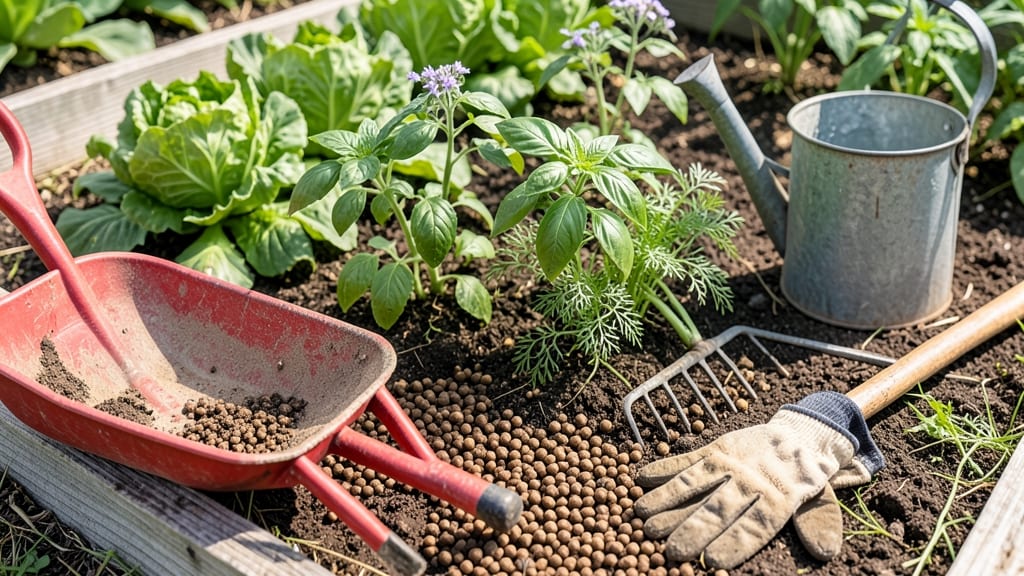
Fertilizing your garden at the wrong time can leave your plants hungry or flush nutrients away—soil tests and seasonal timing are the secrets to feeding them just right.
Picture this: you’ve just planted your 🌱 spring Garden, and you’re eager to see it thrive. But without knowing the best moments to feed it, you might overdo it or miss critical growth windows. The key? Understanding when your soil and plants actually need nutrients—and when they don’t.
In Zone 6a, where spring arrives in March and frost lingers until mid-April, timing matters even more. A late spring feeding can boost early blooms, while summer heat demands lighter touches to avoid burning roots.
Below, I’ll break down the exact schedule—from pre-planting prep to fall shutdown—so you never waste a drop.
You’ll learn how to read your soil test results, adjust for cool-season vs. warm-season crops, and even spot when your plants are begging for nutrients without a lab in sight. Let’s get that Garden growing strong!

Soil test results: fertilizing based on your garden's exact nutrient needs
Your soil test results are the roadmap to feeding your garden right. I’ve seen gardeners waste money on fertilizers because they didn’t match their soil’s needs—NPK levels and micronutrient deficiencies tell you exactly what to apply and when.
For example, a low phosphorus (P) reading means your plants struggle to flower or fruit, while high potassium (K) supports root health and disease resistance.
Let’s break down what those numbers mean. A balanced fertilizer (10-10-10) works for most gardens, but if your test shows nitrogen (N) deficiency, leafy greens like lettuce or spinach will thrive with a higher-N feed (e.g., 20-5-10).
Conversely, tomatoes or peppers need more potassium (K) for fruit production—aim for a 5-10-20 blend when they start flowering.
Micronutrients like iron, magnesium, or zinc often get overlooked, but they’re critical. Yellowing between leaf veins? That’s iron chlorosis, common in alkaline soils.
A chelated iron supplement fixes this fast. Always re-test soil after 3–6 months to track progress—your garden’s needs change as plants grow and nutrients deplete.
| Soil Test Result | Nutrient Need | Recommended Fertilizer | Best Time to Apply | Plant Examples |
|---|---|---|---|---|
| Low Nitrogen (<50 ppm) | Leafy growth | 20-5-10 or compost tea | Early spring (March–April) | Lettuce, spinach, basil |
| Low Phosphorus (<20 ppm) | Flowering/fruiting | 5-10-10 or bone meal | Late spring (May–June) | Tomatoes, roses, peppers |
| Low Potassium (<100 ppm) | Root strength | 10-5-20 or wood ash | Summer (July–August) | Potatoes, corn, fruit trees |
| High pH (>7.5) | Iron/manganese uptake | Chelated iron + sulfur | Spring or fall | Blueberries, hydrangeas |
| Balanced NPK (10-10-10) | General maintenance | Slow-release organic | Every 6–8 weeks | Herbs, perennials, lawns |
Timing matters just as much as the fertilizer type. For cool-season crops like broccoli or carrots, feed in early spring (March–April) when they’re establishing roots. Warm-season plants like tomatoes or squash need a second feeding in late spring (May–June) to support flowering.
Avoid fertilizing in extreme heat—it burns roots and stresses plants.
Organic options like compost, fish emulsion, or kelp meal release nutrients gradually, reducing the risk of over-fertilizing. I’ve had the best luck with a layered approach: top-dress with compost in spring, side-dress with a low-N fertilizer during flowering, and finish with a potassium boost before harvest.
This mimics natural nutrient cycles and keeps plants thriving without guesswork.
Pro tip: Water before fertilizing to help nutrients penetrate the soil. If your soil test shows high organic matter (>5%), you can reduce synthetic fertilizers by 25–50%. Over time, your garden will build resilience, and you’ll rely less on chemical inputs.
Think of it as feeding your soil to feed your plants—not just dumping nutrients.
Regional climate plays a role too. In Zone 6a, I fertilize once in early spring (March) and again in late summer (August) to prep plants for fall harvests. Adjust for your zone—cooler climates may need earlier feeds, while hotter areas might skip summer fertilization to avoid stress.
Always check the back of your fertilizer bag for local recommendations.
Watch for visual cues to confirm your soil test’s accuracy. Dark green leaves mean adequate nitrogen; purple stems signal phosphorus deficiency. If your tomatoes develop blossom end rot (black spots), it’s a calcium or potassium issue—time for a kelp or lime supplement.
Soil tests give you the science; your eyes provide the real-time feedback.
Remember, less is often more. I’ve seen gardens suffer from fertilizer burn when over-applied, leading to yellowed leaves and stunted growth. Start with half the recommended dose, monitor plant responses, and adjust. Your goal is
Seasonal fertilizing schedule by plant type: early spring vs. late summer timing
Timing your fertilizer applications is just as important as choosing the right blend. Early spring jumpstarts growth for cool-season crops, while late summer supports warm-season plants as they prepare for harvest.
Missing these windows can leave your garden struggling—especially during heatwaves when roots are already stressed. Let’s break down the best times to feed your plants based on their type and seasonal needs.
For vegetables like lettuce and spinach, early spring fertilization (March-April) is critical. These cool-season crops need a nitrogen boost to establish strong leaves before summer heat sets in. Meanwhile, tomatoes and peppers thrive with late summer feeding (August-September) to fuel fruit production.
Flowers like marigolds also respond well to late summer fertilization for vibrant blooms before frost. The key is matching your timing to the plant’s growth cycle, not just the calendar.
🌱
- 1. Early Spring (March-April)
- 2. Late Summer (August-September)
- 3. Avoid Heatwaves
- 4. Fall Prep (October)
Cool-season crops: Apply balanced fertilizer (10-10-10) at planting and again 4-6 weeks later. Focus on leafy greens and root vegetables like carrots.
Lawns: Use high-nitrogen fertilizer to break winter dormancy and promote green-up.
Warm-season crops: Switch to potassium-rich fertilizer (5-10-10) to support fruit development in tomatoes, peppers, and squash.
Flowers: Feed annuals and perennials with phosphorus-heavy fertilizer to encourage late-season blooms.
Skip fertilization during 90°F+ temperatures to prevent root burn. Instead, mulch to retain moisture and reduce stress on plants.
Wait until evening temperatures drop below 80°F before reapplying fertilizer.
Apply slow-release fertilizer in early October to strengthen perennials and shrubs before winter dormancy.
Avoid fertilizing cool-season crops after early October to prevent tender new growth before frost.
Pro tip: Always water your plants deeply before and after fertilizing to help nutrients absorb into the soil. This is especially important during late summer when dry conditions can lock fertilizer into the top layer, leaving roots thirsty.
For container gardens, reduce fertilizer amounts by half to avoid salt buildup in potting mix.
Regional adjustments matter too! In USDA Zone 6a, early spring fertilization aligns with the last frost date (around April 15), while late summer feeding should wrap up by early September.
If you’re in a warmer zone, extend late summer feeding into October—but always check your local frost dates to avoid overfeeding before dormancy.
🌿