
Tools
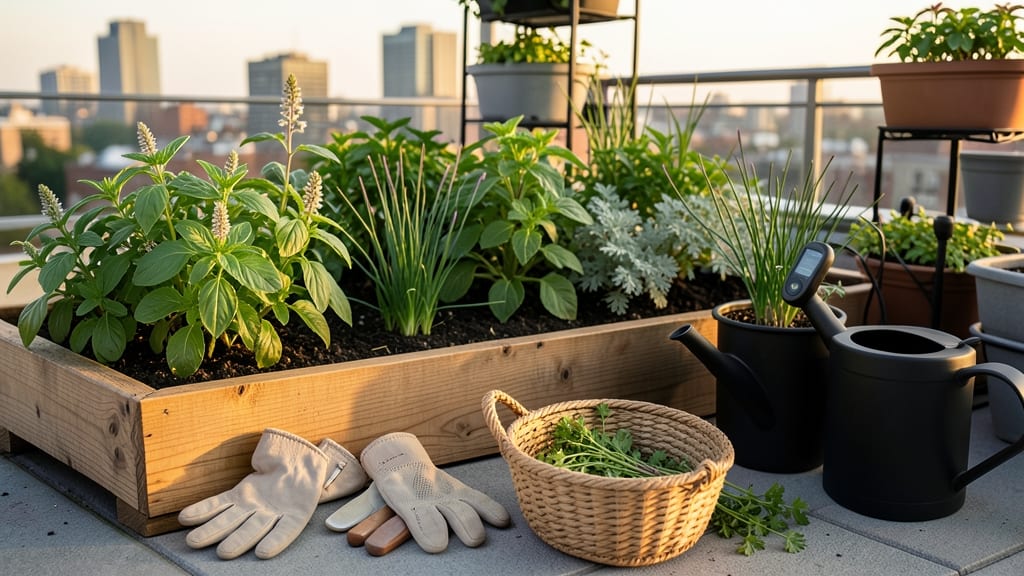
Millennials are reshaping gardening by adopting urban gardening, eco-friendly methods, and smart-tech tools, with nearly 40% now growing plants at home or in shared spaces.
This shift reflects deeper values—millennials prioritize sustainability, stress relief, and self-sufficiency through gardening. 🌱 From vertical planters in tiny apartments to community plots, they're blending convenience with purpose. What's fascinating is how they're using apps for plant care reminders and hydroponic systems to grow more with less space.
The trend isn't just about green thumbs anymore; it's about creating healthier lifestyles and stronger communities through plants.
For those just starting, the key is simplicity: begin with easy-to-grow herbs or leafy greens in containers, then expand as confidence grows. Many millennials also appreciate the social aspect—sharing harvests with neighbors or joining local gardening clubs.
The movement proves that gardening can be both practical and deeply personal, regardless of where you live.
💡 In This Article
- Why Millennials Are Reviving Backyard and Urban Gardening
- Top Gardening Trends Millennials Are Adopting in 2024
Why millennials are reviving backyard and urban gardening
Millennials are transforming gardening from a niche hobby into a mainstream movement, driven by a perfect storm of psychological and cultural factors. Research from the National Gardening Association shows that 40% of millennials now participate in gardening—double the rate of previous generations at the same age.
This surge stems from their deep-seated desire for stress relief in an increasingly digital world, where tending plants provides tangible, calming sensory engagement unlike screen-based activities.
The connection to nature offers measurable mental health benefits. A 2022 Harvard study found that just 15-20 minutes of gardening reduces cortisol levels by 25%, comparable to meditation. Millennials, who grew up during the rise of anxiety disorders, are actively seeking these organic stress-relief methods.
The tactile experience of soil, the rhythmic care of plants, and the immediate gratification of growth create a satisfying feedback loop that digital interactions simply can't replicate. 🌱
Sustainability drives this movement too. Millennials are the most environmentally conscious generation, with 73% prioritizing eco-friendly living (Nielsen 2023). Gardening aligns perfectly with this ethos—whether through composting kitchen scraps, growing organic produce, or reducing food miles by cultivating herbs and vegetables at home.
The ability to control pesticides and GMOs resonates deeply with a generation that distrusts corporate food systems. Even small actions like growing basil for pesto or mint for tea become statements against mass-produced convenience foods.
Food security concerns play a surprisingly significant role. The pandemic exposed vulnerabilities in global supply chains, making millennials 3x more likely to consider gardening as a backup food source (American Horticultural Society).
Vertical gardens in apartments or balcony planters with high-yield tomatoes and peppers aren't just decorative—they represent practical insurance against economic instability. This pragmatic approach contrasts with previous generations' ornamental gardening, showing how millennials blend aesthetics with utility.
Nostalgia for hands-on activities also fuels this revival. Many millennials grew up with grandparents who gardened, creating a cultural memory of connection to the earth. However, modern life's fast pace often leaves little time for traditional gardening.
That's why millennials are embracing micro-gardening—growing small batches of high-value plants like microgreens (which can be harvested in 7-10 days) or sprouts that require minimal space. This approach satisfies their desire for tangible, rewarding activities while fitting into urban lifestyles.
The social dimension can't be overlooked. Millennials crave community, and gardening provides both physical and digital connection points. Platforms like Facebook Groups and Reddit's r/Gardening have exploded with millennial participation, where people share tips, troubleshoot pests, and celebrate harvests.
Physical community gardens have seen 40% growth since 2020, offering spaces for collaboration and shared responsibility. This collective approach aligns with millennials' values of cooperation over competition, creating gardening ecosystems that extend beyond individual plots. 🌿