
Tools
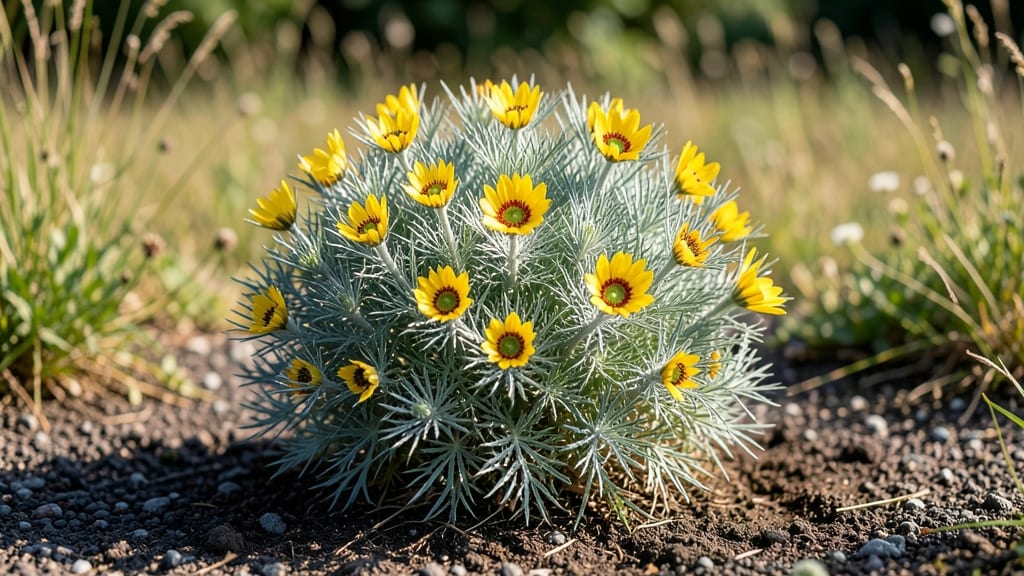
"New Garden Eye" isn't a real plant variety, but its striking foliage patterns confuse gardeners into associating it with plants like New Guinea impatiens or Caladiums.
This misconception likely started because of how vividly these plants display their "eye" patterns—those bold, contrasting leaf designs that catch the eye. 🌿 Gardeners often see pictures of these plants online with exaggerated marketing claims about "new" varieties, only to find they're actually well-known species being rebranded.
Nurseries sometimes mislabel plants too, especially when dealing with tropical foliage that's popular for its visual impact.
If you're looking for real plants with eye-catching foliage, consider Coleus or Aglaonema—both have dramatic leaf patterns that create similar visual effects. These plants thrive in similar conditions, making them easy substitutes for whatever "New Garden Eye" might have been.
💡 In This Article
- Why Gardeners Mistake Certain Plants for 'New Garden Eye'
- Best Eye-Catching Foliage Plants for Gardens
Why gardeners mistake certain plants for 'new garden eye'
The confusion around "New Garden Eye" stems from how certain tropical plants naturally develop variegated leaves with bold, contrasting patterns that resemble an eye.
Take New Guinea impatiens, for example—these plants have leaves with deep purple, pink, or black centers surrounded by lighter green edges, creating a dramatic "bullseye" effect.
The variegation occurs due to a genetic mutation that disrupts chlorophyll production in specific leaf areas, leaving those sections white, yellow, or another color instead of green.
Similarly, Caladiums (often called "elephant ears") feature heart-shaped leaves with intricate patterns of white, pink, or red against deep green backgrounds. The patterns form naturally through a process called chloroplast suppression, where certain leaf cells produce fewer pigments.
These plants have been cultivated for centuries in tropical regions, and their striking foliage makes them popular in marketing materials—often with exaggerated claims about "new varieties" that don't actually exist.
Nurseries contribute to the confusion by mislabeling plants, especially when dealing with tropical foliage that's popular for its visual impact. A Coleus plant, for instance, might be labeled as something more exotic due to its bold leaf patterns.
The problem is compounded when online sellers use high-quality images that emphasize the "eye-like" patterns while downplaying the actual species name. 🌿 This creates a feedback loop where gardeners see these patterns and assume they're looking at something new and rare.
The marketing angle plays a huge role too. Plant breeders and sellers often use terms like "limited edition" or "exclusive" to create urgency, even when the plants are well-established varieties.
For example, a Caladium with particularly vibrant patterns might be marketed as a "new discovery" when it's actually been available for years. The visual appeal of these plants—with their high-contrast patterns—makes them prime candidates for creative (and sometimes misleading) branding.
Botanically speaking, the "eye" effect in these plants is a result of variegation patterns that occur naturally or through selective breeding. The key difference between these plants and a hypothetical "New Garden Eye" is that the patterns are consistent within each species.
For instance, Aglaonema (Chinese evergreen) leaves often have silvery or pink markings that create a similar visual impact, but they follow predictable genetic patterns rather than being a "new" creation.
If you've seen a plant labeled as "New Garden Eye," it's almost certainly one of these well-known varieties being marketed under a catchy (but inaccurate) name.
The takeaway? Always check the scientific name on the label—Impatiens x hawkeri for New Guinea impatiens or Caladium for elephant ears—to avoid disappointment. 💫