
Landscaping
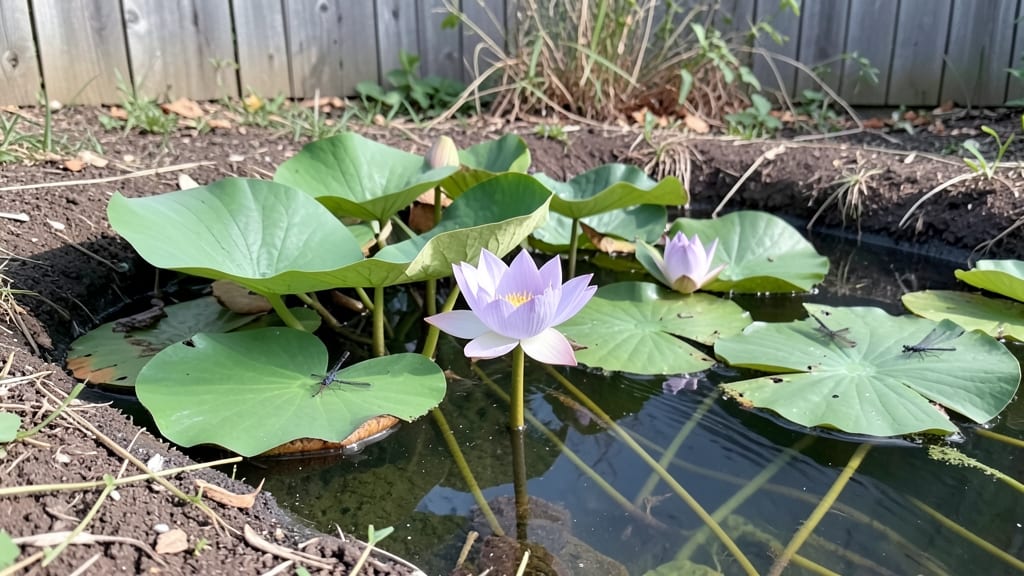
A water lily garden turns any pond into a floating masterpiece 🌸—where velvety blooms and glossy pads turn sunlight into pure magic.
Ever stared at a backyard pond and wished it did more than collect rainwater? With the right water lilies, you can turn that empty space into a serene retreat that hums with life all season long.
These plants aren’t just pretty—they clean the water, shade fish, and attract pollinators while requiring less fuss than most garden stars. The key? Planting them right in spring (April-May) when the water warms and the bugs stay away.
I’ll walk you through picking the perfect varieties, designing a pond that wows, and keeping those blooms vibrant from first sprout to frost—no green thumb required.
Choosing the best water lilies for your pond ecosystem
Creating a stunning water lily garden starts with selecting the right varieties for your pond. Water lilies come in two main types: hardy (cold-resistant) and tropical (warm-weather lovers).
Each type has unique bloom seasons, color options, and size requirements that will impact your pond's overall look and ecosystem balance.
For a thriving water lily garden, consider factors like pond depth, sunlight exposure, and your local USDA hardiness zone. Hardy varieties like Numismatic or Helvola thrive in zones 3-10, while tropicals such as Mississippi or Black Dragon need warmer climates (zones 8-11).
Matching your plants to these conditions ensures vibrant blooms and minimal stress on your aquatic ecosystem.
Comparison table for water lilies by type, size, and care needs:
When selecting water lilies, prioritize bloom size and color to create visual harmony. Smaller varieties like Tiny Tinker (3-6 inches) work well for small ponds or containers, while larger types like Black Dragon (18-30 inches) dominate bigger water features.
Mixing color varieties—such as Helvola's fiery red with Numismatic's soft pink—adds depth and seasonal interest to your water lily garden.
For year-round beauty, combine early bloomers like Missouri (May-June) with late-season varieties like Helvola (July-August). This ensures continuous flowering periods and keeps your pond vibrant from spring through fall.
Additionally, consider the foliage color—some varieties like Gladstoniana offer striking green leaves, while others like Purple Splendor add a deep purple hue to the water's surface.
Your pond's depth plays a critical role in water lily selection. Most hardy varieties thrive in 12-18 inches of water, while tropical lilies often need deeper ponds (24-36 inches) to support their larger rhizomes.
If your pond is shallow, opt for dwarf varieties or use containers with adjustable depth to accommodate different types. Always ensure the rhizome crown stays above water to prevent rot.
Sunlight is another key factor—water lilies need 6-8 hours of full sun daily for optimal growth and blooming. If your pond is partially shaded, choose sun-tolerant varieties like Gladstoniana or Alba, which handle moderate shade better than others.
In low-light conditions, expect fewer blooms and slower growth, so plan your water lily garden layout around your pond's natural light exposure.
For a low-maintenance water lily garden, select hardy varieties that overwinter in your climate. These types return year after year with minimal care, while tropical lilies must be dug up and stored in winter or treated as annuals.
If you love variety, consider a mix of both—plant hardy lilies in deeper areas and tropicals in shallower zones
Designing a water lily pond: layout tips for visual appeal
A well-designed water lily pond transforms any backyard into a tranquil oasis. The key lies in balancing pond size, depth zones, and strategic plant placement to create a visually stunning yet low-maintenance aquatic garden.
Start by selecting a location that receives 6-8 hours of sunlight daily—this ensures vibrant blooms and healthy foliage throughout the growing season.
Before breaking ground, sketch your pond layout on paper. Consider the overall shape (natural curves or geometric forms) and how it will integrate with your existing landscape. A 3-6 foot diameter pond is ideal for beginners, offering enough space for water lilies while remaining manageable to maintain.
Larger ponds (8+ feet) require deeper water zones for proper plant growth and fish habitats if desired.
- Depth Zones: Create 3 distinct depths—6-12 inches for marginal plants, 12-18 inches for medium lilies, and 18+ inches for deep-water varieties.
- Planting Zones: Use containers with drainage for lilies in 12-18 inches of water, securing them with pond weights to prevent floating.
- Sunlight Mapping: Place tropical lilies in the sunniest spots and hardy varieties in slightly shaded areas for year-round interest.
- Complementary Plants: Add water hyacinths or lotus flowers for texture contrast, and cattails along edges for natural framing.
- Accessibility: Include a shallow entry point (3-6 inches deep) for easy maintenance and wildlife access, like frogs or dragonflies.
When designing your pond’s depth, prioritize water lily varieties that thrive at specific levels. Dwarf lilies (like 'Tiny Tops') flourish in just 6-12 inches of water, while standard varieties (such as 'Helvola') need 18+ inches to support their larger leaves and blooms.
Layering these depths creates a dynamic visual effect, with each lily contributing to the pond’s overall aesthetic.
Incorporate complementary aquatic plants to enhance your design’s natural beauty. Submerged oxygenators like hornwort or anacharis keep water clean by absorbing excess nutrients, while floating plants such as water lettuce add movement and shade. These elements create a balanced ecosystem that reduces maintenance while boosting visual appeal.
Don’t overlook the power of surrounding landscaping to elevate your pond’s impact. Use native grasses or hostas along the edges to soften the transition between water and land.
Add stone pathways or wooden bridges to create focal points that invite exploration. These details turn a simple pond into a cohesive garden feature.
For a low-maintenance design, opt for hardy water lilies that tolerate cooler temperatures and require minimal winter care. Varieties like 'Black Dragon' or 'Giant White' thrive in USDA Zones 4-10 and return year after year with minimal effort.
Pair them with perennial marginal plants like pickeralweed or sweet flag to ensure your pond remains vibrant throughout all seasons.