
Watering
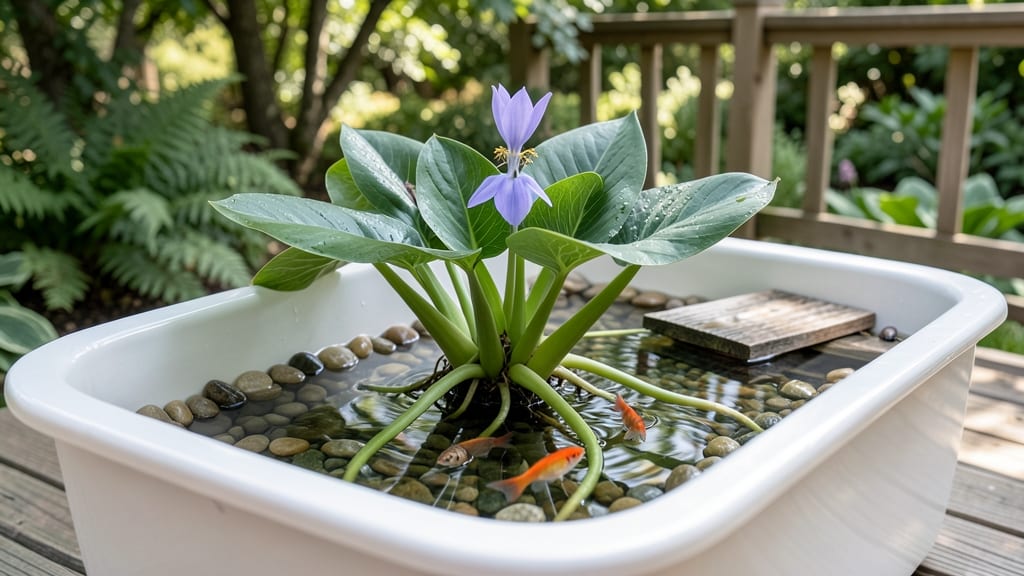
A water garden tub creates a self-contained aquatic ecosystem that requires careful selection of size, materials, and drainage to support your plants and fish. Opt for durable options like fiberglass or preformed liners, and match your tub's capacity to both your available space and the needs of aquatic life.
Selecting the right water garden tub starts with understanding how size affects plant growth and water circulation. 🌿 A 100-gallon tub works well for small ponds with water lilies and koi, while larger setups (300+ gallons) can handle more diverse aquatic life.
Materials like fiberglass offer lightweight durability, while preformed liners provide flexibility for custom shapes—both reduce maintenance compared to concrete. Climate matters too: in colder regions, insulated materials prevent freezing, while tropical areas benefit from tubs that maximize sunlight exposure for plant photosynthesis.
Beyond the basics, consider adding a submersible pump for circulation and a UV clarifier to keep water clear. I’ve found that oxygenating plants like hornwort thrive in smaller tubs, while larger setups can support floating plants and fish.
The key is balancing aesthetics with functionality—your tub should look great while meeting the biological needs of its inhabitants. 💫
💡 In This Article
- Key Materials for Water Garden Tubs and Their Benefits
- Top Aquatic Plants for Small vs Large Water Garden Tubs
Key materials for water garden tubs and their benefits
When selecting a water garden tub, the material directly impacts durability, weight, and maintenance needs. Fiberglass stands out for its lightweight yet strong construction, making it ideal for above-ground setups. Its smooth surface prevents algae buildup, reducing cleaning frequency while providing excellent insulation against temperature fluctuations.
For example, a 200-gallon fiberglass tub typically weighs around 300-400 pounds, making it easier to install than heavier alternatives.
Resin-coated tubs offer a balance between affordability and durability, often featuring a polyethylene liner that resists punctures and UV degradation. These tubs are perfect for climates with 6-8 hours of direct sunlight daily, as the resin reflects some heat while maintaining structural integrity.
Preformed liners, on the other hand, provide flexibility for custom shapes but require a sturdy base to prevent sagging over time. Concrete tubs, while durable, demand more maintenance due to their porous nature, which can leach minerals into the water and require sealing every 2-3 years. 🌊
The choice of material also affects your aquatic ecosystem's health. Fiberglass and resin tubs maintain stable water temperatures, which is critical for cold-blooded species like koi or frogs.
For instance, a 150-gallon fiberglass tub in a sunny backyard can stay 5-10°F warmer than a concrete tub during winter months, protecting sensitive plants. Additionally, smooth surfaces minimize debris accumulation, reducing the risk of bacterial growth that could harm your aquatic inhabitants.
Consider your maintenance preferences when choosing. Fiberglass and resin tubs require minimal upkeep beyond occasional algae scraping, while concrete tubs need regular cleaning to prevent mineral buildup. If you're planning to add fish, fiberglass is the best choice due to its non-toxic properties and ease of cleaning.
For plant-focused setups, preformed liners offer more design flexibility, allowing you to create unique shapes that mimic natural ponds. 🌿
Another critical factor is the tub's weight distribution. Heavy materials like concrete require reinforced bases to prevent sinking or cracking, while lightweight options like fiberglass can be placed on patios or decks with minimal preparation. This makes fiberglass tubs ideal for renters or those with limited installation space.
For example, a 100-gallon fiberglass tub can often be installed with basic leveling, whereas a concrete tub of the same size may need professional support.
Ultimately, the best material depends on your specific needs. For low-maintenance, long-term setups, fiberglass is the gold standard. If you're working with a budget or need custom shapes, resin or preformed liners are excellent alternatives.
Always check the manufacturer's specifications for weight limits, sunlight exposure recommendations, and compatibility with aquatic life before making your final choice. This ensures your water garden thrives for years to come. ✨