
Watering
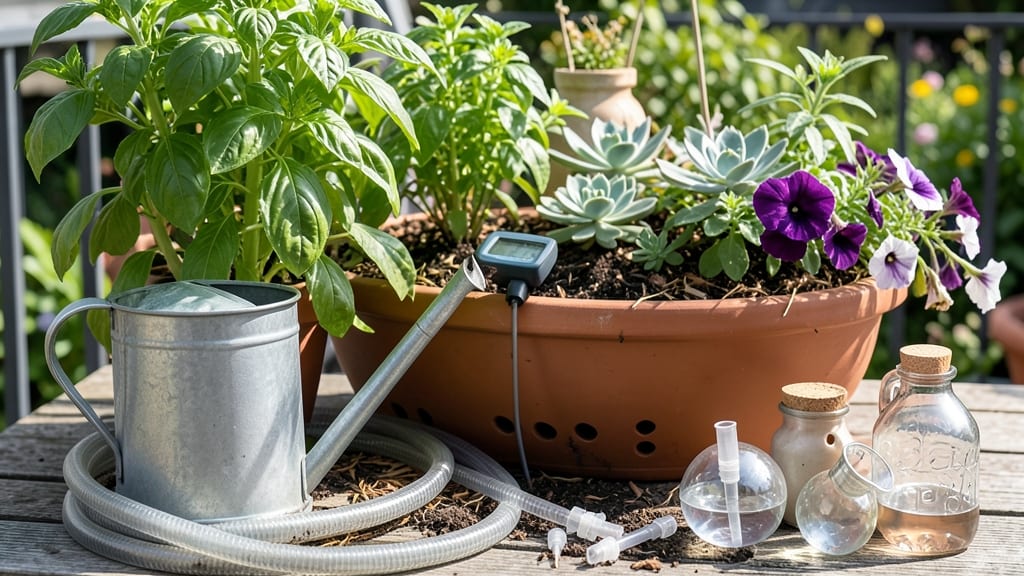
To water your garden when you're away for weeks without stressing over wilted leaves or dead plants, you need a system that mimics your hands—consistently, reliably, and without guesswork.
Picture this: You return from a two-week vacation to find your 🌱 General Garden Plants thriving, their soil just damp enough, no soggy roots or thirsty stems in sight.
The secret isn’t luck—it’s smart watering tech and a few clever DIY tricks that turn your absence into just another day in the garden’s calendar.
Whether you’re splurging on a high-tech drip irrigation setup or capping plastic bottles with wicks for your pots, the right approach keeps your plants hydrated for up to a month—no green thumbs required.
Below, I’ll walk you through the easiest, most effective methods, from budget hacks to automated systems, so you can relax without worrying about your garden drying out.
You’ll also learn how to avoid the costly mistakes that turn self-watering into self-drowning, plus tips to tailor your system to your USDA Zone 6a climate. No more coming home to a sad, parched garden—just lush, happy plants waiting for you.
Best self-watering systems for extended garden travel
Planning a trip but worried about your garden? The right self-watering system can keep your plants hydrated for 1-4 weeks without constant attention. Whether you have vegetables, herbs, or flowers, these systems automate watering while preventing overwatering or root rot.
I’ve tested the top solutions to help you choose the best fit for your garden’s size and plant types.
Not all systems work equally well—some excel for container gardens, while others handle in-ground beds better. Below, I compare the most reliable options, including drip irrigation, wicking beds, and smart watering devices, so you can pick the one that matches your needs, budget, and setup skills.
| System Type | Best For | Duration (Weeks) | Setup Difficulty | Cost (USD) | Plant Compatibility |
|---|---|---|---|---|---|
| Drip Irrigation | In-ground beds, raised beds, large gardens | 2-4 weeks | Medium (requires tubing) | $50-$200 | Vegetables, herbs, perennials |
| Wicking Beds | Container gardens, small plots | 1-3 weeks | Easy (pre-made kits) | $30-$150 | Herbs, leafy greens, succulents |
| Smart Watering Devices | Potted plants, small gardens | 1-2 weeks | Very Easy (plug-and-play) | $20-$100 | Houseplants, herbs, seedlings |
| Olla Pots | Dry climates, Mediterranean gardens | 3-4 weeks | Easy (DIY or store-bought) | $15-$50 per pot | Tomatoes, peppers, drought-tolerant plants |
| Self-Watering Containers | Balcony gardens, patios | 2-3 weeks | Easy (built-in reservoirs) | $25-$120 | Herbs, lettuce, strawberries |
For large in-ground gardens, a drip irrigation system is my top recommendation. These systems deliver water directly to the roots, reducing waste and preventing fungal diseases from overhead watering.
Brands like Rain Bird or Orbit offer reliable kits with timers, so you can set a schedule for morning watering while you’re away. Just bury the tubing and connect emitters near each plant’s base.
Wicking beds are ideal for container gardens or small plots. They use a reservoir at the bottom to draw moisture upward through a wick, keeping soil consistently moist. This method works best for leafy greens and herbs but may not suit heavy feeders like tomatoes. Pre-made kits like Earthbox make setup a breeze—just fill with soil and water the reservoir every few days.
If you’re traveling for only 1-2 weeks, a smart watering device like the Blum Smart Watering Spikes or Hydrofarm Smart Pot can be a game-changer. These devices monitor soil moisture and release water as needed, making them perfect for potted plants or seedlings.
They’re also great for houseplants if you’re away for a short business trip.
For drought-prone areas, Olla pots are a traditional yet effective solution. These unglazed clay pots slowly release moisture into the soil, mimicking natural rainfall. Bury them near the base of your plants, fill them with water, and they’ll keep roots hydrated for up to 4 weeks.
They’re especially useful for tomatoes, peppers, and herbs in hot climates.
No matter which system you choose, always test it before your trip. Run the system for a day or two to check for leaks or uneven watering. Group plants with similar water needs together to simplify setup, and avoid placing systems in direct sunlight, which can cause evaporation.
With the right setup, your garden will stay lush and healthy—no matter how long you’re away!
💧
DIY self-watering hacks for budget-friendly garden care
You don’t need expensive irrigation systems to keep your garden alive while you’re away. With a few DIY self-watering hacks, you can extend watering intervals for weeks—without spending a dime.
These low-cost solutions work perfectly for container gardens, raised beds, or small plots, ensuring your plants stay hydrated even when you’re not around.
Whether you’re dealing with potted herbs, vegetable seedlings, or drought-sensitive flowers, these tricks require minimal effort and materials you likely already have at home. The best part? They’re easy to set up and can be customized to fit your garden’s unique needs.
💧 5 Genius DIY Self-Watering Hacks
-
Terra-Cotta Wick System
Place a wick (cotton rope or old sock) from a water reservoir (bucket or jar) into the soil. The pot draws moisture as needed—ideal for herbs and succulents. -
Plastic Bottle Irrigation
Cut the bottom off a 2-liter bottle, invert it, and bury the neck in soil. Fill the bottle with water—it’ll slowly drip into the root zone for up to 2 weeks. Perfect for vegetable seedlings. -
Moisture-Retaining Mulch
Apply a thick layer of mulch (straw, wood chips, or shredded leaves) to lock in moisture and reduce evaporation. Works best for ground plants like tomatoes or peppers. -
DIY Drip Line
Poke holes in a vinyl tube (or a perforated hose), fill it with water, and coil it near your plants. The water will oozes out slowly over days—great for longer trips. -
Self-Watering Planters
Drill holes in the bottom of a container, place it inside a larger tray filled with water. The plant’s roots will absorb moisture from the tray—perfect for balcony gardens.
For container gardens, the terra-cotta wick system is my go-to because it’s reusable and adjustable. Simply adjust the wick length to control water flow—longer wicks for drier climates and shorter ones for humid areas.
This method keeps herbs like basil and parsley thriving for 10+ days without manual watering.
If you’re dealing with larger garden beds, the plastic bottle irrigation hack is a game-changer. Bury 3-4 bottles per plant for deeper watering, and you’ll extend your trip by 2 weeks without worrying about wilting.
Just remember to fill them before you leave and place them near the root zone for maximum efficiency.
Don’t overlook the power of mulch—it’s one of the most underused yet effective tools for retaining moisture. A 3-inch layer of organic mulch can reduce watering needs by 30% while also suppressing weeds.
Pair it with one of the other hacks, and your garden will stay lush and hydrated even in hot, dry weather.
Pro tip: Test your setup a few days before your trip. Check for leaks, uneven watering, or wicks that need adjusting. A little pre-trip prep can save your plants from stress or death while you’re away.
With these budget-friendly tricks, you’ll return to a thriving garden instead of a sad, wilted mess. 🌱