
Planting
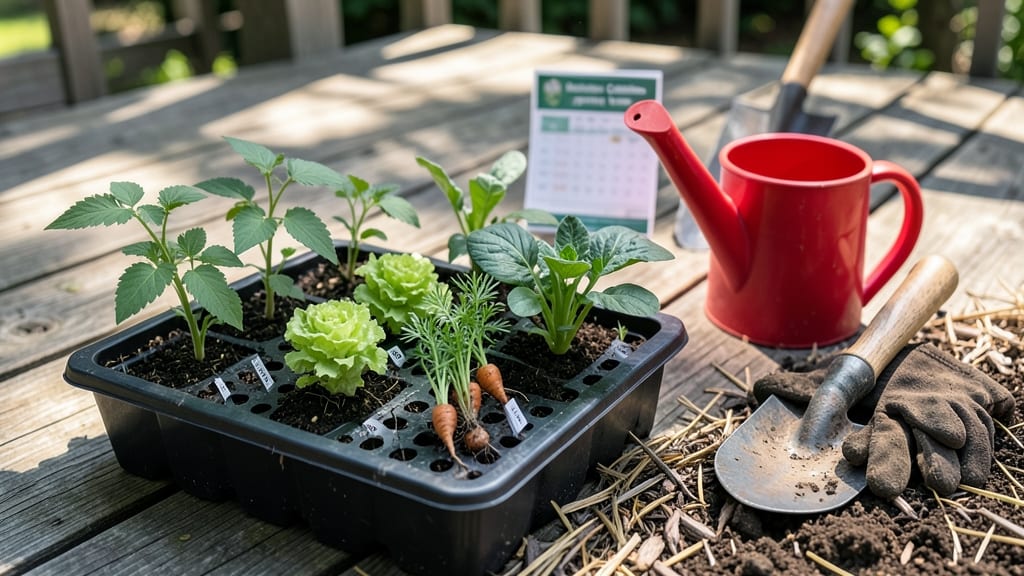
Planting a vegetable garden in Northern California at the right time means the difference between a thriving harvest and a sad, wilted mess.
Northern California’s diverse microclimates—from foggy coastal areas to hot inland valleys—can make planting your vegetable garden feel like solving a puzzle. Get the timing wrong, and your crops might bolt or wilt before harvest. But with the right schedule, you’ll enjoy a bountiful harvest all year long.
Coastal regions like the Bay Area have milder winters and cooler summers, while inland spots like Sacramento face scorching heat and earlier frosts. That means your planting window isn’t one-size-fits-all—it’s more like a three-act play with different rules for each act.
In this guide, I’ll break down the exact months to plant everything from lettuce to tomatoes, plus pro tips to stretch your growing season and avoid common mistakes. Whether you’re in Zone 8 or 10, you’ll leave here with a clear, foolproof plan.
Northern California planting zones: coastal vs inland vegetable garden timing charts
Northern California’s microclimates create unique challenges for gardeners. Coastal areas like San Francisco and Monterey experience cooler temperatures and delayed springs due to ocean breezes, while inland regions like Sacramento and Fresno face earlier frost risks and hotter summers.
Understanding these differences is key to planting your vegetable garden at the right time.
Timing your plantings around last frost dates and first frost timelines ensures your heat-sensitive crops like lettuce and tomatoes thrive. Coastal areas typically have later last frosts (mid-April to early May) compared to inland zones (mid-March to early April).
Meanwhile, inland regions often see earlier first frosts (late October to early November), cutting the growing season short.
Heat-sensitive crops like spinach and broccoli need cooler temperatures, while tomatoes and peppers thrive in warmth. Coastal gardeners can plant cool-season crops later, but inland growers must act faster to avoid summer heat stress. Let’s break down the ideal planting windows for both regions.
| Region | Last Frost Date | First Frost Date | Cool-Season Planting Window | Warm-Season Planting Window | Key Crops to Plant |
|---|---|---|---|---|---|
| Coastal (SF, Monterey) | Mid-April to early May | Late November to early December | February to early April | May to early July | Lettuce, broccoli, tomatoes, peppers |
| Inland (Sacramento, Fresno) | Mid-March to early April | Late October to early November | January to early March | April to early June | Spinach, kale, tomatoes, squash |
Northern California Planting Timelines
For coastal gardeners, the foggy mornings can delay soil warming, so start cool-season crops like kale and carrots in late January or early February.
Inland areas, however, can plant these same crops as early as December to take advantage of milder winters. Warm-season crops like tomatoes and peppers should wait until after the last frost date, which is typically mid-May for coastal areas but early June for inland zones.
Inland regions also face hotter summers, which can cause bolting in leafy greens like lettuce. To combat this, use shade cloth or plant heat-tolerant varieties like Swiss chard.
Coastal gardeners, on the other hand, can extend their growing season by using row covers to protect against late frosts that can occur as late as May.
Another critical difference is the harvest window. Coastal areas can enjoy fall crops like kale and radishes well into October, while inland gardeners may need to harvest early before first frosts arrive in late October.
Planning your garden around these timelines ensures you don’t miss out on a long harvest season.
If you’re growing heat-sensitive crops like cucumbers or squash, coastal gardeners can plant them as early as April, while inland growers should wait until mid-May to avoid heat stress.
For longer-season crops like brussels sprouts, coastal areas have the advantage of a longer growing window, allowing for a fall harvest.
To maximize your vegetable garden’s success, keep an eye on local frost dates and adjust your planting schedule accordingly. Using season extenders like cold frames or hoop houses can also help you push the limits of your growing season, whether you’re in foggy San Francisco or sunny Fresno.
With the right timing, you’ll enjoy a bountiful harvest all year round! 🌱
Best vegetables to plant by season in Northern California (with exact months)
Northern California’s diverse microclimates mean your coastal garden in San Francisco might thrive with spinach in February, while your inland plot in Sacramento can safely plant tomatoes in April. Understanding these seasonal shifts is key to avoiding frost damage or heat stress—both common pitfalls for new gardeners.
Let’s break down the best vegetables by season and their exact planting windows, tailored to both regions.
For cool-season crops, focus on broccoli, kale, and lettuce—these thrive in cooler temperatures and can handle light frosts. In contrast, warm-season favorites like tomatoes, peppers, and cucumbers need consistent warmth and won’t tolerate frost.
Meanwhile, year-round options such as kale and Swiss chard offer flexibility, adapting to both coastal fog and inland heat. Below, I’ve mapped out the ideal planting months for each category.
| Vegetable | Coastal (SF/Monterey) | Inland (Sacramento/Fresno) | Notes |
|---|---|---|---|
| Broccoli | Feb–Mar, Aug–Sep | Mar–Apr, Jul–Aug | Start indoors; transplant after last frost. |
| Spinach | Jan–Feb, Sep–Oct | Feb–Mar, Aug–Sep | Bolt-resistant varieties for summer. |
| Tomatoes | Apr–May (after frost) | Mar–Apr (soil >50°F) | Use heat-tolerant varieties inland. |
| Peppers | May–Jun | Apr–May | Start indoors; needs warmth to germinate. |
| Lettuce | Jan–Mar, Sep–Nov | Feb–Apr, Aug–Oct | Shade cloth for summer to prevent bolting. |
| Kale | Year-round (with frost protection) | Year-round (avoid summer heat) | Sweetens after frost; harvest outer leaves. |
| Cucumbers | May–Jun | Apr–May | Trellis for space-saving; needs consistent water. |
If you’re planting cool-season crops like broccoli or spinach, aim for early spring or late summer to avoid summer bolting. Coastal areas can start as early as January, while inland gardeners should wait until March when soil temperatures rise.
For warm-season plants, such as tomatoes and peppers, timing is critical—plant too early, and frost will kill seedlings; too late, and heat stress sets in. Inland regions can start 4–6 weeks earlier than coastal zones.
Year-round options like kale and Swiss chard are your best friends for flexibility. These frost-hardy greens can handle coastal chills and even light freezes, while still producing tender leaves in summer if given partial shade.
For coastal gardeners, focus on successive plantings every 2–3 weeks to ensure a steady harvest. Inland gardeners should prioritize shade cloth during peak summer to protect heat-sensitive crops.
Pro tip: Use row covers to extend your spring and fall seasons by 2–4 weeks. This is especially useful for coastal areas where late frosts can linger into April.
For inland gardeners, mulching with straw or wood chips helps retain moisture during dry spells—a common challenge in Sacramento’s hot summers. With these adjustments, you’ll maximize your harvest potential year-round.
Remember, soil temperature matters just as much as air temperature. Use a soil thermometer to confirm 50°F+ for warm-season crops and 40–60°F for cool-season plants. This small tool can save you from failed seedlings and wasted effort. Happy planting—your garden will thank you with bountiful harvests!