
Vegetables
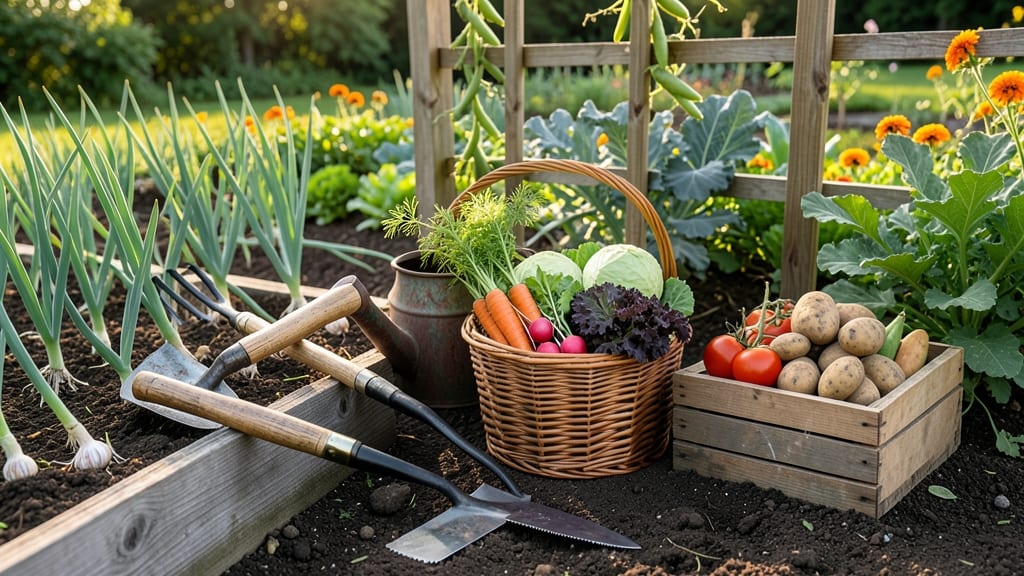
The history of victory gardens traces back to World War II, when they became a patriotic movement to boost food production, with over 20 million gardens supplying 40% of the nation's vegetables by 1943 and symbolizing wartime unity and self-sufficiency.
The concept began as a response to food rationing and shipping shortages during WWII, when President Roosevelt urged Americans to grow their own produce. 🌱 These gardens weren't just practical—they fostered community spirit, with neighbors sharing seeds and harvests.
What's fascinating is how they transformed urban spaces into green oases, proving that even small plots could make a big difference.
Beyond their wartime impact, victory gardens laid the foundation for today's urban farming movement. Many modern community gardens and schoolyard farming programs directly credit their inspiration to this historical effort.
The principles of local food production and sustainability that victory gardens pioneered continue to shape how we think about food security today.
💡 In This Article
- Origins and Evolution of WWII Victory Gardens
- Modern Revival: How Victory Gardens Inspire Today’s Urban Farming
Origins and evolution of WWII victory gardens
The concept of victory gardens was born from desperation and ingenuity during World War II. By 1942, American farms were diverting massive resources to feed troops overseas, leaving grocery shelves alarmingly bare.
The U.S. government responded with aggressive propaganda campaigns like "Food Will Win the War," encouraging civilians to grow their own produce.
President Roosevelt even planted his own garden on the White House lawn to set an example. 🌱 This wasn't just about feeding families—it was about proving that ordinary citizens could contribute meaningfully to the war effort.
What made victory gardens so effective was their adaptability. Urban dwellers transformed vacant lots into vegetable patches, while suburban families repurposed backyards. Rural areas expanded existing farms with new crops like sweet potatoes and corn, which required minimal maintenance.
The government provided free seeds and gardening guides through local extension offices, ensuring even novice growers could succeed. By 1943, these efforts had created over 20 million gardens covering nearly 40% of the nation's vegetable production—a staggering achievement considering most plots were just 10x20 feet in size.
The psychological impact was equally significant. These gardens became communal hubs where neighbors shared tools, seeds, and harvests. Schoolchildren learned about agriculture through victory garden clubs, and women—who made up 60% of gardeners—gained newfound confidence in their ability to contribute to the war effort.
The experience fostered a sense of collective purpose that extended beyond the war years, laying groundwork for modern community gardening movements.
One fascinating adaptation was the use of unconventional growing spaces. Balconies became herb gardens, rooftops hosted tomato plants, and even window sills grew lettuce. The government even encouraged growing "war gardens" in containers, proving that space limitations weren't an obstacle.
This creativity in resource utilization became a hallmark of victory gardens and continues to inspire today's urban farmers.
The movement's success wasn't just about quantity—it was about quality too. Victory gardens produced fresher, more nutritious food than what was available in rationed grocery stores. Vegetables like carrots, potatoes, and cabbage—rich in vitamins—helped combat malnutrition among civilians.
The gardens also demonstrated how local food production could reduce reliance on vulnerable supply chains, a lesson that resonates powerfully today.
What's particularly remarkable is how quickly these gardens sprang up. Within months of FDR's 1942 call to arms, millions of Americans had transformed their landscapes. The speed of this mobilization shows how powerful the combination of necessity, government support, and community spirit can be.
This wartime phenomenon proved that even in the most challenging circumstances, people could work together to create meaningful change. 💪