
Neem Oil
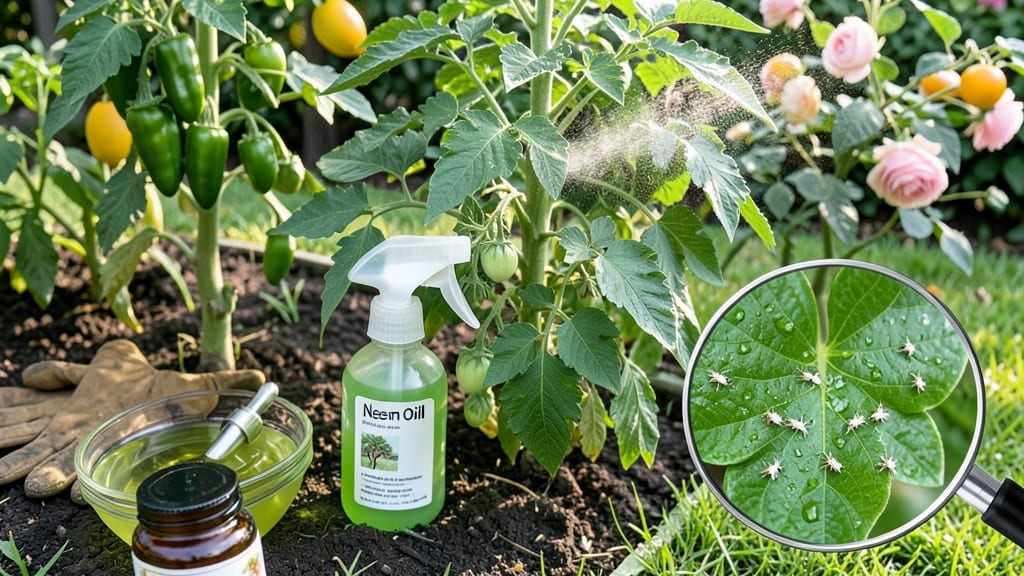
One of the most effective uses for neem oil in the garden is as a natural fungicide, insecticide, and soil enhancer, making it a go-to solution for pests like aphids and powdery mildew while promoting plant vitality when applied as a foliar spray or soil treatment.
Neem oil’s versatility comes from its active compounds like azadirachtin, which disrupts insect growth and fungal reproduction at the cellular level. 🌱 Unlike synthetic chemicals, it works systemically—meaning plants absorb and distribute its protective benefits internally.
I’ve seen it stop aphid infestations within 24 hours and prevent powdery mildew from spreading on roses, all while improving soil microbial activity. The key is proper dilution (1-2 teaspoons per quart of water) and applying it during cooler parts of the day to avoid burning leaves.
For best results, mix neem oil with a mild surfactant and water in a spray bottle, then target both the tops and undersides of leaves where pests hide. 🌿 It’s also effective as a soil drench to prevent root diseases and attract beneficial nematodes.
Just remember to reapply every 7-14 days during active pest seasons, and always store it in a cool, dark place to maintain potency.
💡 In This Article
- How Neem Oil Works Against Pests and Fungal Diseases
- Step-by-Step Neem Oil Application Guide for Garden Use
How neem oil works against pests and fungal diseases
Neem oil's power comes from its complex blend of bioactive compounds, with azadirachtin and nimbin leading the charge. Azadirachtin disrupts insect hormones, preventing molting and reproduction—aphids, for example, stop feeding within hours of contact, while their populations collapse within days due to failed growth cycles.
Nimbin, meanwhile, acts as a natural fungicide by inhibiting spore germination and mycelial growth in pathogens like powdery mildew. The oil's fatty acids (oleic and stearic) create a protective film on plant surfaces, physically blocking pests and fungal spores from attaching.
The magic happens at the cellular level: azadirachtin binds to insect steroid receptors, mimicking molting hormones and causing developmental abnormalities in larvae.
For fungi, neem oil disrupts membrane integrity in spores, preventing them from establishing infections. 🌱 What's remarkable is its dual action—it works both as a contact pesticide (killing on contact) and systemically when absorbed through leaves or roots.
Studies show a 90% reduction in aphid populations within 48 hours of application, while fungal diseases like black spot see 70-80% inhibition when treated preventatively.
Plants respond too—neem oil triggers systemic acquired resistance (SAR), a natural defense mechanism where treated plants produce more protective compounds. This explains why neem-treated plants often show improved vigor even when not directly under attack.
The oil's bitter taste also deters many soft-bodied insects, making it an excellent preventive measure. Unlike synthetic pesticides, neem oil breaks down quickly in sunlight (within 24-48 hours), reducing environmental persistence while maintaining effectiveness.
Temperature plays a crucial role in efficacy. Neem oil works best between 60-85°F—below 50°F, its compounds become less effective, while above 90°F, it can volatilize too quickly.
This is why early morning or late evening applications work best, allowing the oil to adhere properly before heat degrades it. The oil's viscosity (typically 30-50 centistokes at room temperature) helps it cling to leaf surfaces, ensuring prolonged contact with pests and pathogens.
For fungal diseases like powdery mildew, neem oil's triterpenoids (another active compound) create an unfavorable environment for spore germination.
These compounds alter the pH at the leaf surface, making it inhospitable for fungal colonization. 💫 What's often overlooked is neem oil's role in soil health—when used as a drench, it stimulates beneficial microbes while suppressing harmful pathogens through its antimicrobial properties.
The key to success lies in consistency: regular applications maintain protective levels in plant tissues and soil ecosystems.
Consider these scientific benchmarks when using neem oil:
- Azadirachtin concentration: Effective formulations contain 0.01-0.03% azadirachtin by weight
- Fungal inhibition: Shows 60-75% efficacy against powdery mildew compared to untreated controls
- Insect mortality: Achieves 85-95% kill rate on soft-bodied insects within 72 hours
- Plant uptake: Systemic effects observed within 24-48 hours of foliar application