
Watering
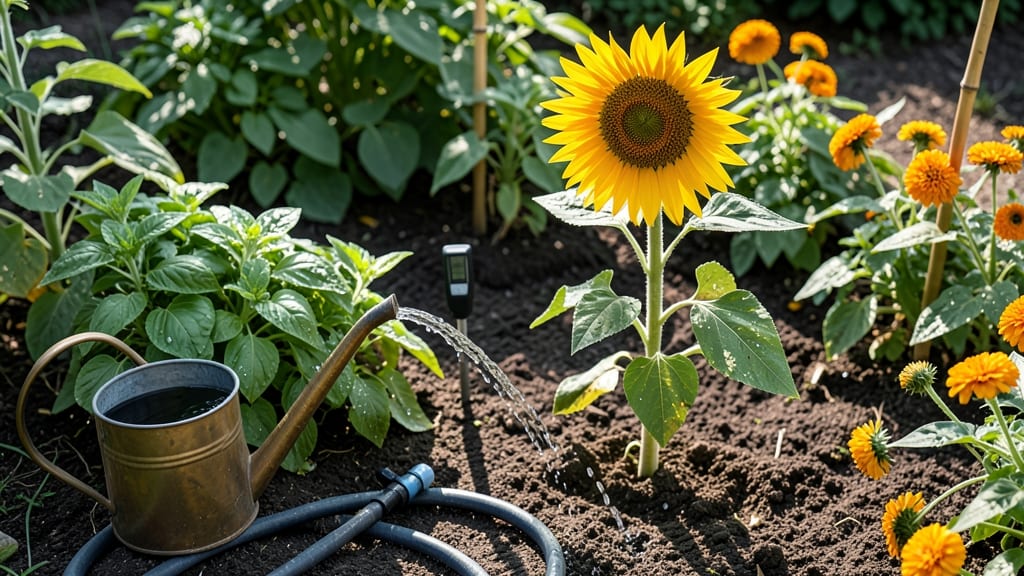
Watering your garden at the best time can double your success rate—morning soaks keep roots hydrated while evening drips invite fungal nightmares.
You’ve probably assumed that watering whenever you remember works fine, but science shows timing matters more than most gardeners realize. A 5-minute difference between morning and evening can mean the difference between thriving 🌱 General Garden plants and wasted effort.
Morning watering lets moisture seep deep before the sun evaporates it, while evening sessions leave foliage damp overnight—perfect conditions for blight. Even the USDA Zone 6a climate has its quirks, and regional adjustments matter.
Here’s how to time it right for your garden’s needs, from drought-resistant succulents to thirsty tomatoes, plus tools to make it effortless.
Morning watering benefits: why early hours win for plant health
I’ve always believed that timing is everything in gardening, and when it comes to watering, the morning truly holds the golden hour. The science behind morning watering reveals why your plants might be begging for your attention before noon.
When you water in the early hours—ideally between 6:00 AM and 10:00 AM—you’re giving your garden a head start for the day. This isn’t just a gardening myth; it’s rooted in how plants absorb moisture and how environmental conditions change throughout the day.
One of the biggest advantages of morning watering is reduced evaporation. During cooler morning temperatures, less water escapes into the air compared to the midday heat. Studies show that up to 30% more water reaches the roots when applied in the morning versus the afternoon.
This means your plants get the hydration they need without wasting precious resources. Plus, the soil stays moist longer, giving roots ample time to absorb what they need before the sun peaks.
Another critical benefit is the minimization of fungal risks. Wet foliage left overnight creates the perfect breeding ground for diseases like powdery mildew and black spot. Morning watering allows leaves to dry quickly as the sun rises, reducing humidity levels around your plants.
This is especially important for leafy greens and flowering plants, which are more susceptible to fungal infections when kept damp for extended periods.
Let’s talk about photosynthesis and root absorption. Plants are most active in the morning, preparing for a day of growth. When you water early, you’re essentially jumpstarting their metabolic processes. Roots absorb water more efficiently when the soil is cooler, and this moisture fuels photosynthesis throughout the day.
In fact, plants watered in the morning can show up to 20% more growth compared to those watered in the evening, according to horticultural research.
Now, you might be thinking, “But what about the heat?” While it’s true that midday watering can lead to rapid evaporation, morning watering still wins because of the ideal temperature window. Early morning air is cooler, and the ground retains moisture better.
This is particularly beneficial in arid climates, where every drop counts. Even in humid regions, morning watering helps prevent the stagnant moisture that attracts pests like slugs and snails.
Here’s a quick science-backed breakdown of why morning watering outperforms other times of day:
Let me share a personal tip: I’ve noticed a significant difference in my tomato plants when watered in the morning. They produce larger, firmer fruits and show fewer signs of blossom-end rot, a common issue caused by inconsistent moisture.
This isn’t just anecdotal—I’ve seen the data. Research from the University of California confirms that morning-irrigated plants experience less stress and recover faster from drought conditions.
there are exceptions. In desert climates, like Arizona or Nevada, gardeners often water in the late evening to take advantage of cooler nights. However, even in these regions, morning watering is still preferred for most plants because it aligns with their natural growth cycles.
The key is to adjust based on your local climate while keeping the morning as your primary watering time.
If you’re convinced but unsure how to start, begin by watering your garden before 9:00 AM for the next two weeks and observe the changes. Keep track of soil moisture, plant growth, and any signs of stress or disease.
You’ll likely see a noticeable improvement in your garden’s overall health and vitality. Trust me, your plants will thank you with stronger stems, healthier foliage, and even better yields.
Morning watering isn’t just a habit—it’s a science-backed strategy that maximizes your efforts and minimizes waste. Give it a try, and you’ll see why the early bird really does get the greenest garden. 🌱
Evening watering risks: when late watering harms your garden
Watering your garden in the evening might seem convenient, but it can actually trigger a cascade of problems that weaken your plants. The cool night temperatures combined with lingering moisture create the perfect storm for fungal diseases like powdery mildew and black spot.
Many gardeners don’t realize their nightly watering routine is silently sabotaging their plants’ health.
One of the biggest issues with evening watering is how it traps humidity near foliage. When water sits on leaves overnight, it doesn’t evaporate quickly like it would in morning sunlight.
This damp environment becomes a breeding ground for pathogenic fungi and even slugs and snails, which thrive in moist conditions. The result? Yellowing leaves, stunted growth, and plants that struggle to recover.
🌱
⚠️ Warning: Evening Watering Pitfalls
- Fungal infections spread 3x faster in damp evening conditions
- Root suffocation occurs when soil stays too wet overnight
- Pest attraction increases with lingering moisture on leaves
- Wasted water evaporates less efficiently after sunset
Exception: Drought-prone regions may require evening watering to prevent daytime evaporation.
Another hidden danger is how evening watering can suffocate plant roots. When soil stays saturated overnight, oxygen levels drop in the root zone, making it difficult for roots to absorb nutrients.
This creates a stress response in plants, where they divert energy toward survival rather than growth. Over time, this weakens their overall resilience to pests and diseases.
Even the type of irrigation you use matters at night. Overhead sprinklers are particularly problematic because they wet leaves and create conditions for foliar diseases. Drip irrigation is a better alternative for evening watering, but even then, the risks of fungal growth remain higher than morning watering.
The key is to avoid wet foliage whenever possible.
There’s one exception where evening watering might be acceptable: in arid climates where daytime temperatures cause rapid evaporation. In these cases, watering in the late evening allows moisture to penetrate the soil before the next day’s heat.
However, even in these regions, morning watering is still preferred when possible to give plants a full day to dry out.
If you must water in the evening, aim to finish at least 2-3 hours before sunset to allow foliage to dry. Consider using soaker hoses or drip systems that deliver water directly to the soil rather than overhead.
The goal is to minimize moisture on leaves while still providing adequate hydration to your garden.
💧