
Tools
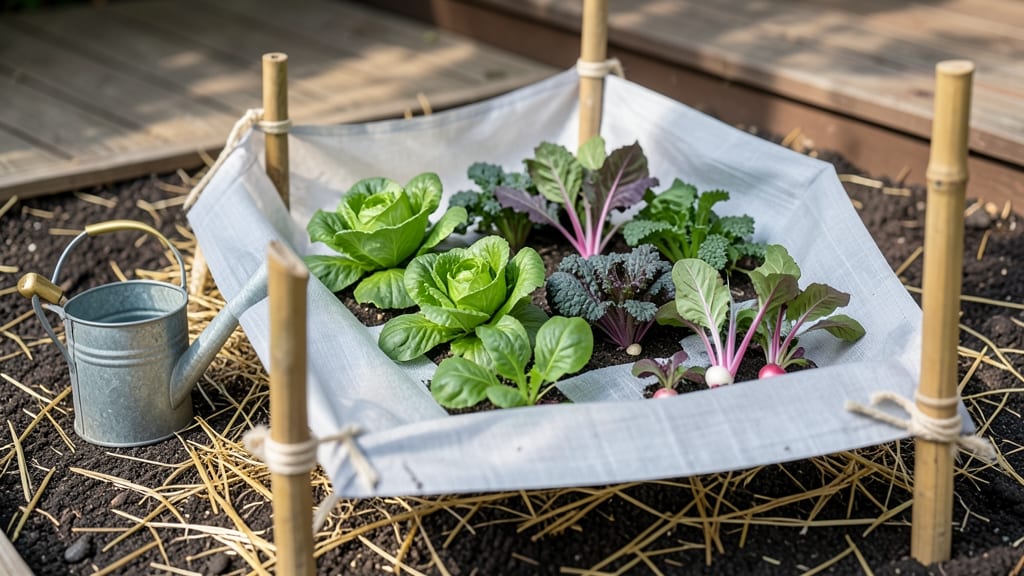
Shade cloth for garden beds regulates sunlight exposure by blocking 20% to 90% of light, protecting plants from excessive heat while maintaining photosynthesis for delicate or heat-sensitive species like lettuce, tomatoes, or tropical plants. Choose the percentage based on your climate and plant needs.
Shade cloth acts like a plant's sunglasses, filtering harsh sunlight while letting in just enough for healthy growth. 🌿 The right percentage keeps your greens from wilting in summer heat while preventing leggy, weak stems from too much shade.
For instance, 30% blockage is perfect for leafy greens in hot climates, while 50% or 70% suits tropical plants that need protection from intense midday rays. I always recommend testing a small section first—some plants adjust better than others to sudden light changes.
Beyond temperature control, shade cloth extends growing seasons in both hot and cool regions. In sweltering summers, it prevents bolting in lettuce or sunburn on peppers, while in cooler areas, it can help young seedlings harden off gradually.
The key is balance—too much shade stunts growth, but too little defeats the purpose. Pro tip: Secure the cloth tightly to avoid gaps where light sneaks through unevenly.
💡 In This Article
- How Shade Cloth Light Blockage Affects Plant Growth
- Best Shade Cloth Percentages for Common Garden Plants
How shade cloth light blockage affects plant growth
Shade cloth works by filtering sunlight through a woven fabric that scatters and absorbs specific wavelengths while allowing others to pass through. The magic happens at the cellular level: plants need photosynthetically active radiation (PAR)—light between 400-700 nanometers—to convert CO₂ into energy.
A 30% shade cloth blocks only about 30% of PAR, reducing leaf temperatures by 10-15°F while maintaining 70% of full sunlight intensity. This is crucial because excessive heat causes chlorophyll to degrade, turning leaves yellow and stunting growth.
The percentage you choose directly impacts a plant's stress response. For example, 50% blockage creates a "soft shade" environment that mimics partial sunlight conditions, ideal for Mediterranean herbs like basil or oregano.
These plants thrive with 12-14 hours of filtered light daily, preventing the overproduction of ethylene gas that causes bolting. Meanwhile, 70%+ blockage mimics deep shade, perfect for tropical plants like coleus or impatiens, which would scorch in direct sun but struggle with weak stems in 30% shade.
The key metric is photosynthetic photon flux density (PPFD)—a 30% cloth might reduce PPFD from 2000 to 1400 µmol/m²/s, while 70% cloth drops it to just 600 µmol/m²/s.
Heat reduction is the most immediate benefit. Under full sun, leaf temperatures can exceed 95°F on hot days, triggering heat stress. A 50% shade cloth keeps leaves 15-20°F cooler, preserving cell membrane integrity and preventing wilting.
This temperature control extends beyond leaves: soil stays 5-10°F cooler under shade, reducing water evaporation rates by up to 40%. For container gardens, this means 30-50% less watering during peak summer months—a game-changer for drought-prone regions.
Don't overlook UV protection. Shade cloth blocks 30-50% of UVB/UVA rays, which cause sunburn and DNA damage in plant cells. This is why tropical plants like hibiscus or ferns develop crispy edges under direct sun but thrive under 50-70% shade cloth.
The fabric's weave also diffuses light, preventing harsh shadows that create uneven growth patterns. For instance, a tomato plant under 30% shade will develop more compact, flavorful fruit compared to one exposed to direct midday sun, which often produces watery, sun-scorched tomatoes.
Seasonal adjustments matter too. In spring and fall, you might use 30% shade to harden off seedlings, gradually acclimating them to full sun. But in summer, the same cloth becomes 50%+ effective due to the sun's higher angle.
For high-altitude gardens above 5,000 feet, where UV intensity is 10-15% stronger, opt for 10-20% higher blockage percentages than sea-level recommendations. The goal is to maintain 60-70% of full sunlight intensity for most vegetables, while 30-40% suits leafy greens and herbs.
Here's what happens when you get it wrong: Too little shade (20% blockage) offers minimal protection, while too much (80%+) stunts growth by limiting photosynthesis.
The sweet spot varies by plant—leafy greens like spinach need 30-40% shade, while fruiting plants like peppers tolerate 30-50% shade better than leafy crops. Always monitor plant color: dark green leaves indicate optimal light, while pale yellow suggests too much shade, and crispy edges mean too little.