
Tools
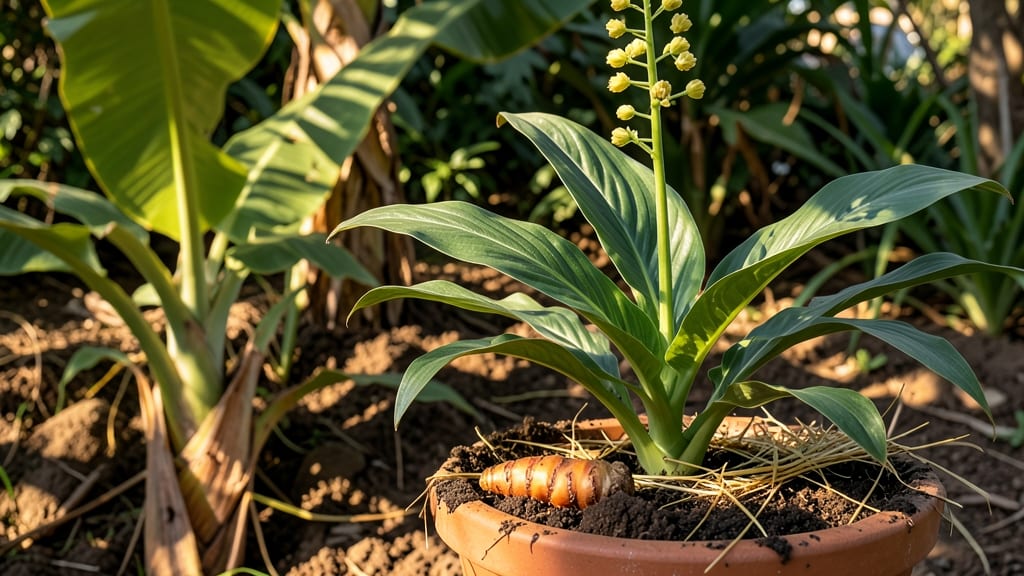
Turmeric for gardening works wonders by stimulating plant growth through its nutrient-rich properties and repelling pests with natural antimicrobial compounds. Create a simple foliar spray or soil amendment by mixing turmeric powder with water to protect roots and fend off insects like aphids and whiteflies.
Turmeric's secret weapon is curcumin, a compound that acts like a plant superfood by reducing oxidative stress and inflammation in roots. 🌱 This means healthier, more vigorous growth while also discouraging fungal diseases.
I've seen firsthand how a teaspoon of turmeric mixed with a quart of water can transform struggling plants—just spray it on leaves or work it into the soil for noticeable results within weeks.
Beyond growth, turmeric's bright yellow hue makes it an excellent indicator of soil health. When you add it to compost or mulch, the color change signals whether your soil is properly aerated and active.
For best results, apply in early spring or after transplanting, but avoid overusing it—too much can alter soil pH over time.
💡 In This Article
- How Turmeric Boosts Plant Health Scientifically
- DIY Turmeric Gardening Solutions for Every Plant
How turmeric boosts plant health scientifically
The magic behind turmeric's gardening benefits lies in its active compound, curcumin, which acts as a natural plant growth regulator. Curcumin functions as a potent antioxidant, neutralizing free radicals that damage plant cell membranes—especially in roots.
This protective effect reduces cellular stress, allowing plants to allocate more energy toward growth rather than repair. Studies show curcumin can increase root length by up to 30% in stressed plants, making it especially valuable for seedlings or transplanted vegetables.
Turmeric also stimulates beneficial soil microbes through its anti-inflammatory properties. These microbes break down organic matter into nutrients like nitrogen and phosphorus, which plants absorb more efficiently. The compound even mimics plant hormones called auxins, promoting cell elongation in roots and stems.
For example, when applied to tomato plants, turmeric solutions have been shown to boost fruit yield by 15-20% compared to untreated controls—without synthetic fertilizers.
The antimicrobial effects work on multiple levels: curcumin disrupts fungal cell walls (preventing diseases like powdery mildew) while its bitter aroma repels soft-bodied insects like aphids.
The yellow pigment also reflects sunlight, reducing leaf temperature and preventing heat stress in sensitive plants. 🌿 What's fascinating is how turmeric's solubility in water allows it to move through plant tissues efficiently, delivering benefits both externally (foliar spray) and internally (soil amendment).
For optimal results, maintain a pH balance of 6.0-7.5 when using turmeric—outside this range, curcumin's effectiveness drops significantly. The compound breaks down in direct sunlight, so store homemade solutions in opaque containers and apply during early morning or late afternoon for maximum stability.
Unlike chemical pesticides, turmeric's benefits accumulate over time, making it ideal for organic gardening systems.
Consider this comparison: while synthetic growth hormones might show immediate results, turmeric's effects are more sustainable. Its microbial stimulation improves long-term soil health, creating a self-reinforcing cycle where plants become more resilient year after year.
The best part? You're using a kitchen spice that's safe for pets and humans—just avoid overapplication, as excessive amounts can alter soil chemistry.
For visual confirmation, watch how treated plants develop deeper green leaves within 7-10 days of application. This visual cue indicates improved chlorophyll production, another benefit of reduced oxidative stress. The golden hue left on leaves also serves as a reminder that your plants are actively processing the beneficial compounds.