
Pests
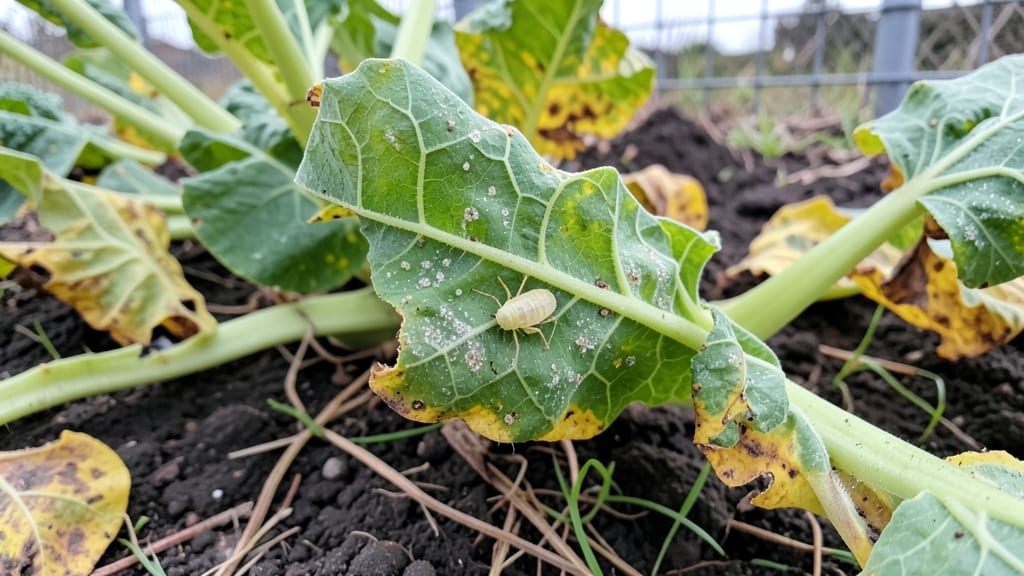
Tiny garden pests like aphids, spider mites, and thrips can turn your lush plants into a chewed-up mess before you even notice. 🌿 I’ve battled these tiny invaders for years, and the key to controlling them isn’t just sprays—it’s understanding their life cycle and disrupting it before they multiply.
The moment you spot sticky leaves or webbing, you’ve already lost the first round, but these strategies will help you reclaim your garden.
Most gardeners reach for chemical sprays too quickly, but that often kills beneficial insects along with the pests. Instead, I focus on natural barriers, targeted sprays, and plant resilience—methods that work without harming your garden’s ecosystem.
Aphids, for example, thrive in crowded plants, so pruning and proper spacing make them less appealing. For spider mites, increasing humidity with mulch or shade cloth can break their cycle.
By combining these low-impact techniques, you’ll see fewer pests within 2-3 weeks, with healthier plants that can fend off future attacks. The best part? These methods work for vegetables, flowers, and shrubs, so your entire garden benefits. Let’s get your plants thriving again without harsh chemicals.
Whether you’re dealing with a sudden infestation or want to prevent one, these steps adapt to any garden size or climate. The goal isn’t perfection—it’s balance. Once you master these basics, you’ll spot pests early and stop them before they become a full-blown problem.
Root Causes Of Garden Invaders
Even the tiniest garden pest isn’t just a random visitor—they’re drawn in by specific conditions that turn your green space into an all-you-can-eat buffet. Understanding these triggers helps you outsmart them before they become a full-blown problem. Here’s why these tiny troublemakers show up uninvited:
🌱 Overcrowded Plant Life
When plants are packed too closely together, airflow suffers, and moisture lingers.
This damp, sheltered environment is a magnet for pests like aphids, slugs, and fungus gnats, which thrive in humid, shaded spots. Why? Poor ventilation slows plant growth, making them weaker and more attractive to pests looking for an easy meal.
Actionable fix: Prune regularly to improve airflow, and space plants according to their mature size. 💡 Pro tip: Mulch properly—too thick, and it traps moisture; too thin, and roots dry out. Aim for 2-3 inches of organic mulch.
🍃 Poor Soil Health
Unbalanced soil—whether too rich in nitrogen or lacking essential nutrients—stresses plants, making them vulnerable to pest attacks. For example, soft, sappy growth from over-fertilization lures aphids, while nutrient-deficient plants attract root-munching grubs.
Key culprits:
- Excess nitrogen: Leads to rapid, weak growth (aphid heaven).
- Compacted soil: Limits root access to nutrients, stressing plants.
- Lack of beneficial microbes: Without fungi and bacteria, plants can’t fend off pests naturally.
Actionable fix: Test your soil annually and amend it with compost or organic matter. ✨ Bonus: Add mycorrhizal fungi to boost root resilience.
💧 Water Woes
Pests love predictable water sources. Overwatering creates soggy soil, perfect for slugs, snails, and fungal pests, while underwatering stresses plants, making them more susceptible to borers and spider mites.
Water-related triggers:
Issue
Pest Attraction
Overwatering
Fungus gnats, root rot, slugs
Underwatering
Spider mites, aphids, bark beetles
Drip irrigation leaks
Ants, whiteflies (they follow moisture trails)
Actionable fix: Water deeply but infrequently (1-2 inches per week) and use drip irrigation to avoid surface moisture. 🌡️ Pro tip: Water in the early morning to reduce humidity overnight.
🍂 Debris & Hiding Spots
Leaves, fallen fruit, and wood piles aren’t just eyesores—they’re pest hotels. Slugs hide under damp mulch, earwigs nest in dense leaf litter, and beetles burrow into decaying wood. Even "clean" gardens can harbor pests if they have undisturbed shelter.
Common hiding spots:
- Piles of compost or mulch
- Weeds (especially broadleaf varieties)
- Rocks or boards leaning against plants
- Old plant pots or garden tools stored outside
Actionable fix: Clear debris regularly, and store tools/mulch in sealed bins. 🎯 Pro tip: Use copper tape around garden beds—it repels slugs without chemicals!
By addressing these root causes, you’re not just treating symptoms—you’re starving out the problem at its source. Next, we’ll cover how to turn these pests into a delicious (and pest-free) garden snack! 🍃🔥
Quick Fixes for Common Garden Invaders
Tiny garden pests can turn your lush green space into a battleground faster than you think. But with the right strategies, you can reclaim your garden without harsh chemicals.
Below, we’ve mapped out practical solutions tailored to the most common culprits—from sneaky aphids to voracious slugs—plus prevention tips to keep your plants thriving.
🐜 Tiny Chewers: Caterpillars & Beetles
Cause: These munchers skeletonize leaves, leaving behind ragged edges or holes. Fix:
- Handpick at dawn when pests are sluggish. Drop them into soapy water—no need for gloves!
- Neem oil spray (2 tsp neem oil + 1 tsp mild soap per quart of water). Spray undersides of leaves where eggs hide.
- Introduce predators: Ladybugs and lacewings devour caterpillar eggs. Buy them online or attract them with dill or fennel.
💡 Pro Tip: Wrap young trees with floating row covers (lightweight fabric) to block beetles while letting sunlight through.
🍃 Sap-Suckers: Aphids & Spider Mites
Cause: Sticky residue (honeydew) and yellowing leaves signal these sap-drinking pests. Fix:
- Blast them off with a strong jet of water from a hose (early morning works best). Repeat every 3–4 days.
- Homemade soap spray: Mix 1 tbsp castile soap + 1 quart water in a spray bottle. Test on a small leaf first!
- Encourage beneficial insects: Release parasitic wasps (they target aphids but won’t harm humans or pets).
🌡️ Prevention: Avoid over-fertilizing—soft new growth attracts aphids. Prune crowded plants for better airflow.
🐌 Slugs & Snails: Nighttime Nibblers
Cause: Glossy trails and chewed leaves (with smooth edges) mean these slimy pests are feasting after dark. Fix:
- Beer traps: Bury a shallow dish filled with beer near plants. Slugs crawl in and drown—no mess!
- Copper barriers: Wrap copper tape around pots or garden beds. The mild electric shock repels slugs.
- Diatomaceous earth (food-grade only): Sprinkle a thin layer around plants. It dehydrates slugs but is safe for pets.
✨ Nighttime patrol: Shine a flashlight on your garden at dusk to spot and remove slugs manually. They’re slow—easy targets!
🍄 Fungal Friends Gone Rogue: Mold & Mildew
Cause: Damp conditions + organic debris = fuzzy white/purple patches on leaves or soil. Fix:
- Baking soda spray: Mix 1 tbsp baking soda + 1 quart water + a few drops of soap. Spray affected areas weekly.
- Improve airflow: Space plants wider apart and prune overcrowded foliage.
- Cinnamon dust: Sprinkle ground cinnamon on soil or leaves. It’s antifungal and smells great!
🎯 Long-term fix: Water plants at the base (not overhead) and remove fallen leaves/debris promptly.
🐜 General Pest Prevention Checklist
Stop pests before they start with these low-effort habits:
- 🌱 Rotate crops yearly to disrupt pest life cycles.
- 🌿 Plant companion flowers like marigolds or basil near veggies—they repel pests naturally.
- 🕯️ Use yellow sticky traps to monitor (and catch) flying insects early.
- 🌞 Mulch with straw or wood chips to deter weeds and slugs while retaining moisture.
With these targeted fixes, your garden will stay pest-free and your herbs will stay crisp for those spiced bites! 🌿🔥
Frequently asked questions
Why do tiny garden pests suddenly appear in my herbs?
Pests often show up when plants are stressed—think overwatering, poor airflow, or nutrient deficiencies. For example, aphids love soft, new growth from over-fertilizing, while spider mites thrive in dry, dusty conditions. Check soil moisture, prune crowded stems, and balance fertilizers to make your herbs less appealing.
Can I use store-bought pesticides on my herb garden?
Store-bought pesticides can harm beneficial insects and leave chemical residues on your herbs. Instead, try targeted solutions like neem oil or soapy water sprays for soft-bodied pests. For persistent issues, introduce natural predators like ladybugs or lacewings—no harsh chemicals needed!
How often should I check my plants for pests?
Inspect your herbs every 3-5 days, especially after watering or when new growth appears. Focus on undersides of leaves and stems—pests love hiding there! Early detection means fewer pests and healthier herbs for your spiced bites.
Will companion planting really keep pests away?
Plants like basil, marigolds, and garlic naturally repel pests with their strong scents. Pair herbs like thyme or rosemary with these companions—they create a pest-deterring barrier while boosting flavor in your bites.