
Pests
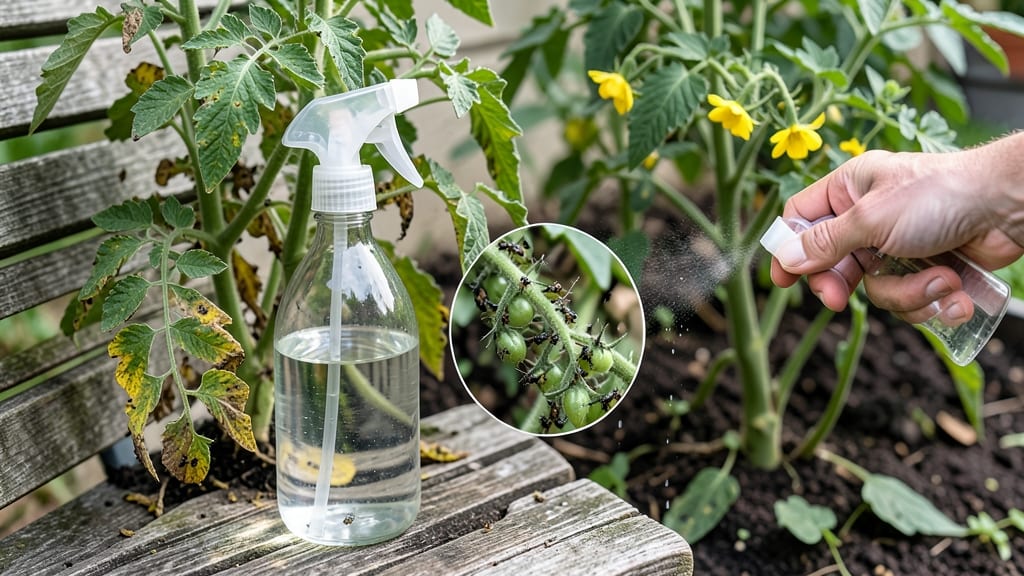
Using castile soap for garden pests works by breaking down their protective wax layers, causing dehydration and effectively controlling aphids, mites, and soft-bodied insects. Always dilute it properly and apply during cooler parts of the day to protect plants.
Castile soap's natural saponins act like tiny surfactants that dissolve the waxy coating on insects' exoskeletons, leaving them vulnerable to dehydration. 🌱 This makes it particularly effective against sap-sucking pests like aphids and spider mites, which rely on that protective layer to survive.
The key is dilution—typically 1-2 tablespoons per quart of water—to avoid harming plants while still delivering results.
For best results, I recommend spraying in the early morning or late evening when temperatures are cooler and humidity is higher. This reduces the risk of leaf burn and gives the soap time to work before the sun intensifies.
Reapply every 5-7 days or after heavy rain, as the solution can wash away.
💡 In This Article
- How Castile Soap Kills Garden Pests Naturally
- Best Castile Soap Recipes for Targeting Common Garden Pests
How Castile soap kills garden pests naturally
Castile soap works as a natural insecticide primarily through its saponins—plant-based compounds that act as gentle surfactants. These molecules disrupt the waxy cuticle layer that protects insects like aphids and spider mites, which is their first line of defense against dehydration.
Without this protective barrier, pests lose moisture rapidly through their exoskeletons, leading to cellular dysfunction and death within hours. 🌿 Unlike synthetic insecticides that often target nervous systems, saponins provide a slower but more environmentally friendly approach.
The effectiveness varies by pest type: soft-bodied insects like aphids are particularly vulnerable because their thinner exoskeletons can't withstand the soap's action. For tougher pests like whiteflies, you'll need a stronger dilution (up to 2 tablespoons per quart) combined with reapplication every 5-7 days.
Research shows that a 1% saponin concentration is optimal for most garden applications—this translates to about 1-2 teaspoons of liquid Castile soap per gallon of water when using unscented varieties.
What makes Castile soap safer than commercial insecticidal soaps is its selectivity. While it targets pests, it generally spares beneficial insects like ladybugs and lacewings because their tougher exoskeletons resist the saponins' effects.
This selectivity is due to the soap's non-polar nature, which binds more readily to the waxy layers of pests than to the chitin-based armor of beneficial insects. Always test on a small leaf area first—some plants, like ferns and delphiniums, are particularly sensitive to even diluted solutions.
The dehydration process begins immediately upon contact. Within 30-60 minutes, you'll notice pests becoming sluggish as their cellular membranes begin to fail. For maximum efficacy, apply when humidity is high (early morning or late evening) to slow evaporation of the solution.
Avoid spraying when temperatures exceed 85°F, as this can cause leaf burn and reduce the soap's effectiveness by accelerating moisture loss from both plants and pests.
Comparing Castile soap to other organic options: insecticidal soaps (like those made from coconut oil derivatives) work similarly but often require higher concentrations to achieve the same results. Castile soap's advantage lies in its versatility—you can use it as both a pesticide and a gentle plant cleaner.
For example, adding 1 tablespoon of vegetable oil per quart creates a smothering effect that enhances its ability to trap and suffocate pests like spider mites.
Here's what to watch for: some Castile soaps contain essential oils that can harm plants. Always choose unscented, liquid Castile soap (like Dr. Bronner's) and avoid versions with citrus or peppermint extracts.
The key to success lies in consistency—regular applications create an inhospitable environment for pests while maintaining your garden's ecological balance. 🌱