
Vegetables
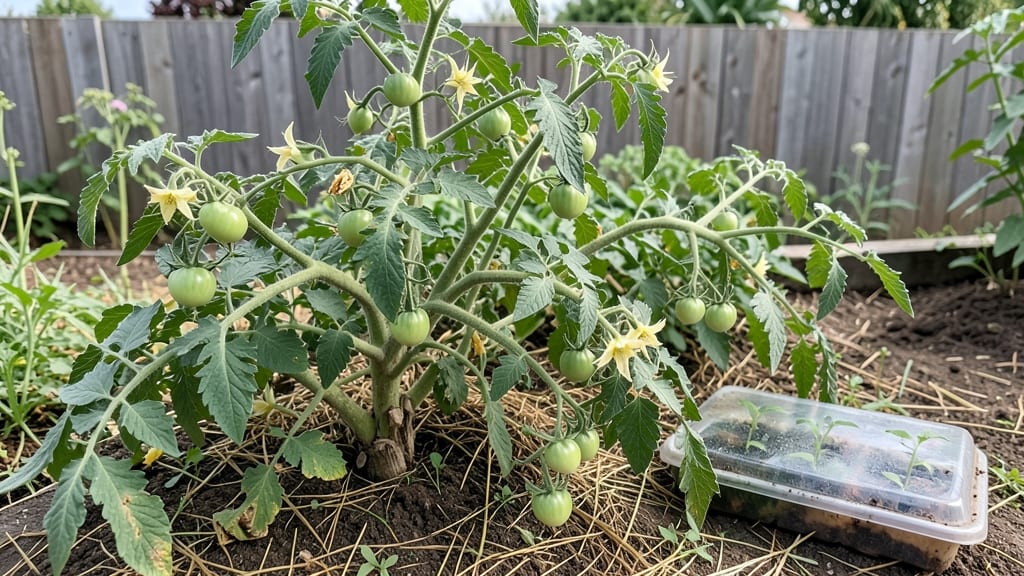
A terraced veggie garden transforms steep slopes into productive growing space 🥬, letting you grow more in less room while keeping soil in place.
If you’ve ever dreamed of a lush vegetable garden but lack flat land or space, terraced layouts are the game-changer you’ve been missing. They’re not just for pros—even beginners can create simple, high-yield designs that work in USDA Zone 6a or warmer.
The best part? Terraces prevent erosion, improve drainage, and let you grow spring crops like leafy greens and bush beans right up the hillside. With the right setup, you could harvest June through October without fighting soggy soil or wasted space.
Ready to turn your slope into a thriving garden? I’ll walk you through space-saving layouts, the best crops for terraces, and how to avoid common mistakes that ruin yields.
How to design a terraced veggie garden for maximum efficiency
Designing a terraced veggie garden transforms steep slopes into productive growing spaces while preventing soil erosion and improving water retention. The key lies in strategic planning—starting with slope assessment and ending with water flow optimization to ensure every inch of your garden thrives.
Whether you're working with a wooden frame, stone borders, or fabric-lined terraces, the right approach maximizes your harvest with minimal space.
Before breaking ground, measure your slope's angle and length to determine terrace width and height.
A gentle slope (10-20 degrees) allows for wider terraces, while steeper inclines (20-45 degrees) require narrower, taller designs. Terrace height should never exceed 12 inches to prevent erosion and ensure easy access for planting and harvesting. I’ve found that 12-18 inch-wide terraces strike the perfect balance between stability and usability.
Choose materials based on your climate, budget, and aesthetic preferences. Wooden frames are affordable and easy to assemble but require pressure-treated lumber to resist rot. Stone terraces offer durability and a natural look but demand heavy lifting and precise placement.
For a lightweight, temporary solution, fabric-lined terraces (like landscape fabric with wooden edges) work well for small gardens or rental properties.
A well-designed terrace system prioritizes water flow and drainage. Without proper water management, terraces can become soggy or erode over time. Install drainage pipes at the lowest point of each terrace to redirect water away from the slope.
Add a 1-2 inch layer of gravel at the base of each terrace to improve drainage and prevent waterlogging. I’ve seen terraces fail when water pools at the bottom—always plan for an outlet!
Now, let’s break down the process into clear, actionable steps to ensure your terraced veggie garden is both efficient and productive.
Assess Your Slope and Mark Terrace Levels
Use a level tool and string line to mark horizontal lines where each terrace will sit. Measure the vertical distance between lines to determine terrace height. For a 12-inch terrace, mark lines every 12 inches along the slope. This ensures uniform height and prevents erosion.
Choose and Prepare Terrace Materials
Select your materials based on durability and drainage. For wood, use cedar or redwood to resist rot. For stone, opt for flagstone or river rocks for stability. If using fabric, choose landscape fabric with UV protection and secure it with wooden stakes or metal edging.
Build the Terrace Frame
Construct the frame using 2x4 lumber or metal edging. For wood, dig a shallow trench (6 inches deep) along each marked line and set the frame into the ground. Secure it with concrete footings or galvanized screws. For stone, stack rocks tightly, leaving gaps for drainage.
Add Drainage and Soil
Line the terrace base with landscape fabric to prevent soil from washing out. Add a 1-2 inch gravel layer for drainage, then fill the terrace with a mix of topsoil and compost (60% soil, 40% compost). This ensures nutrients and water retention while preventing compaction.
Install Irrigation and Water Management
Set up a drip irrigation system or soaker hoses to deliver water directly to plant roots. Install a swale or drainage pipe at the bottom of each terrace to redirect water away from the slope. Test the system after rain to ensure no pooling occurs.
Plant and Maintain for High Yield
Choose compact or vertical-growing vegetables like bush beans, leafy greens, and dwarf tomatoes. Space plants according to their mature size, leaving 12-18 inches between rows for easy access. Mulch with straw or wood chips to retain moisture and suppress weeds.
Spacing is critical in terraced gardens to avoid overcrowding and ensure each plant gets adequate sunlight and nutrients. For example, bush beans need 4-6 inches of space between plants, while lettuce thrives with 8-12 inches.
Use vertical supports like trellises for climbing plants (e.g., pole beans or cucumbers) to save space and improve airflow. I’ve seen terraces double their yield simply by optimizing plant spacing!
Water flow is often overlooked but is the backbone of a successful terraced garden. Without proper water management, terraces can erode or become waterlogged, stunting plant growth. Install a swale system—a shallow trench filled with soil and plants—to slow and absorb rainwater naturally.
This not only prevents erosion but also provides a free source of irrigation for your crops. Pair this with a drip irrigation system for precise watering.
Finally, prioritize easy access and maintenance. Leave at least 18 inches of walking space between terraces to avoid compacting the soil. Use stepping stones or planks to create paths, and consider adding raised edges to prevent soil from spilling onto the path.
A well-planned terrace system should make gardening easier, not harder—so design with functionality in mind!
With these steps, your terraced veggie garden will not only maximize your harvest but also stand the test of time. Happy gardening! 🌱
Best vegetables for terraced gardens: space-saving crops and companion planting
Terraced gardens transform steep slopes into productive spaces, but choosing the right space-saving vegetables is key to success. I’ve found that compact varieties and vertical growers thrive in these layouts while maximizing yield per square foot.
The secret? Pairing plants with complementary needs—like shallow-rooted herbs with deep-rooted tomatoes—to optimize every inch of space.
Not all vegetables adapt equally to terraces. Leafy greens, bush beans, and dwarf tomatoes are my top picks because they mature quickly, require minimal depth, and fit neatly into raised edges.
Herbs like basil and thyme also excel here, adding flavor while repelling pests naturally. Let’s dive into the top 10 terraced-friendly crops and how to pair them for a thriving, low-maintenance garden.