
Vegetables
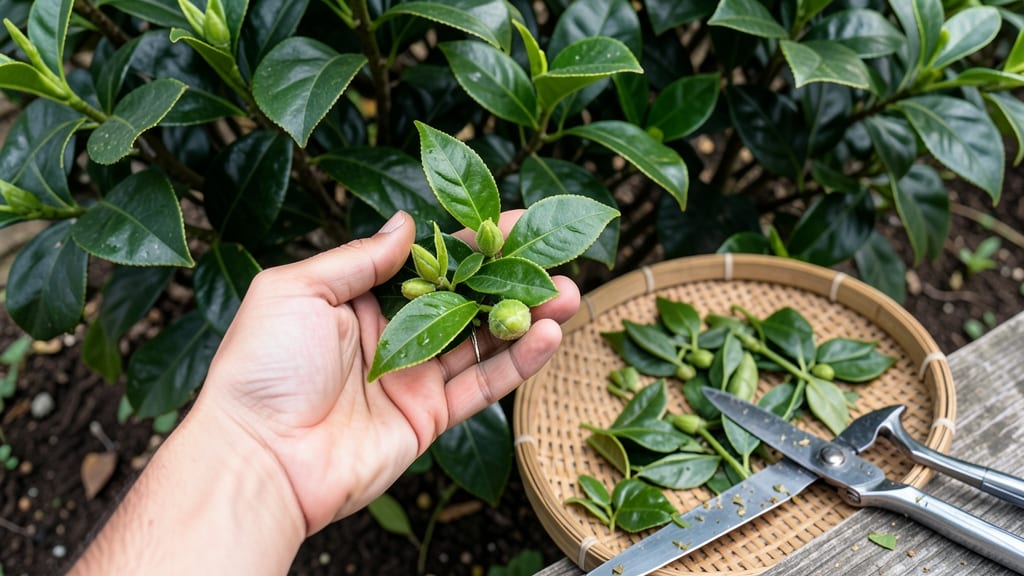
Incorporating tea leaves in the garden enhances soil fertility and natural pest control by introducing organic nutrients, deterring insects like slugs and ants, and improving compost quality through nitrogen enrichment. Spread them directly on garden beds or compost piles for best results.
Tea leaves act as a natural fertilizer because they break down into nitrogen-rich compost, which helps plants grow stronger and healthier. 🌱 The tannins in tea leaves also create a barrier that repels common garden pests, making them a great addition to mulch or compost piles.
For best results, use a mix of dried and fresh leaves—this ensures a steady release of nutrients without overwhelming your soil.
I’ve found that spreading a thin layer of tea leaves around vegetable plants or flower beds helps suppress weeds while keeping unwanted insects at bay. Plus, they make compost smell fresher and decompose faster, giving your garden a natural boost.
Just avoid using tea bags with plastic staples—they can harm soil microbes.
💡 In This Article
- How Tea Leaves Boost Soil Fertility and Pest Resistance
- Step-by-Step Guide: Applying Tea Leaves for Garden Use
How tea leaves boost soil fertility and pest resistance
Tea leaves work wonders in the garden because they’re packed with nitrogen—about 4-5% by dry weight—which breaks down into plant-available ammonium, feeding soil microbes and encouraging root growth. The process starts when beneficial bacteria and fungi decompose the leaves, converting their organic matter into nutrients like potassium and phosphorus.
This creates a nutrient-rich environment that strengthens plants' natural defenses against pests, similar to how compost tea enhances soil health but in a more localized way.
The real magic happens with tannins—natural compounds in tea that act as a chemical barrier against insects. Studies show tannins disrupt the feeding patterns of slugs and ants by altering their taste receptors, making your plants less appealing.
For example, a 1-inch layer of dried tea leaves around hostas or lettuce can reduce slug damage by up to 60% within weeks. The leaves also release a faint earthy aroma that masks plant scents, confusing pests further. 🌿
When used as mulch, tea leaves improve soil structure by adding organic matter that retains moisture and regulates temperature. Unlike synthetic fertilizers, they release nutrients slowly over 4-6 weeks, preventing nutrient spikes that can burn plant roots.
This gradual release is ideal for long-term garden health, especially for nitrogen-loving plants like tomatoes or corn. The leaves also create a physical barrier that blocks weed seeds from germinating, reducing competition for nutrients.
For compost piles, tea leaves act as a "brown" carbon source that balances nitrogen-rich "greens" like grass clippings. The ideal ratio is 1 part tea leaves to 2 parts green material, which speeds up decomposition by providing the carbon microbes need to break down nitrogen.
This balance prevents compost from becoming too acidic or smelly, creating a rich, crumbly soil amendment perfect for potted plants or garden beds.
One key factor is the tea type—black tea leaves decompose faster than green or oolong due to higher tannin content, but all varieties contribute to soil health. Avoid using tea bags with plastic ties, as these can leach microplastics into your soil.
Instead, opt for loose-leaf tea or used tea bags without synthetic materials. The best results come from layering ½-inch of leaves around plants or mixing them into compost piles in 2-3 inch layers for optimal nutrient cycling.
Beyond pest control and fertility, tea leaves also attract earthworms—nature's soil aerators—by creating a moist, nutrient-rich environment. Earthworms then tunnel through the soil, improving drainage and root access to oxygen. This symbiotic relationship between tea leaves, microbes, and worms transforms your garden into a self-sustaining ecosystem.
The end result? Healthier plants, fewer pests, and soil that looks and performs like a well-tended organic garden. 🌱