
Tools
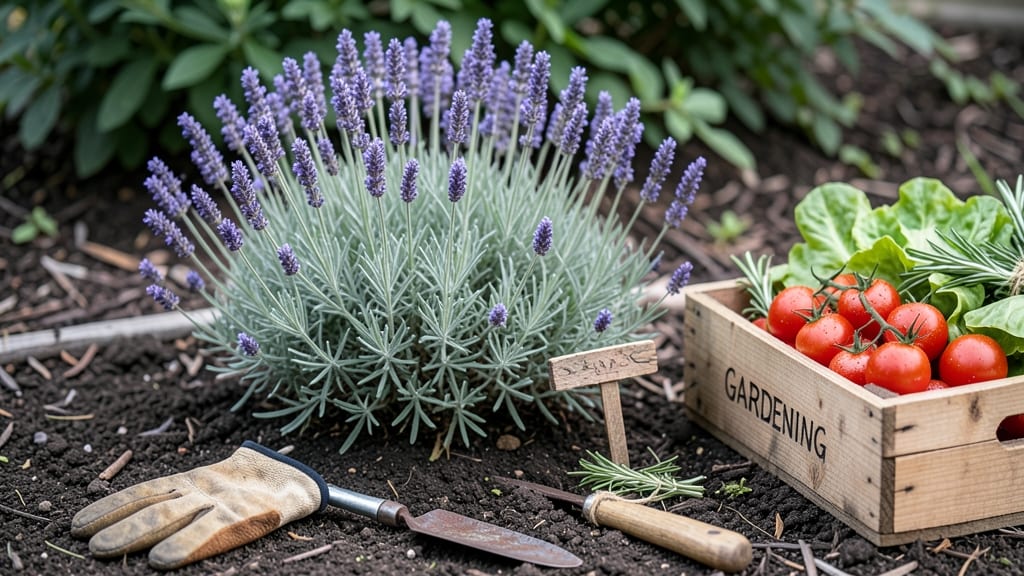
Synonyms for gardening include horticulture, cultivation, floriculture, and green-thumbing, each serving distinct purposes from professional plant science to casual backyard care.
Gardening has a rich vocabulary that goes beyond just "planting flowers." 🌿 Terms like horticulture emphasize scientific plant cultivation, while landscaping focuses on outdoor design. The word floriculture specifically refers to flower-growing, and arboriculture deals with trees and woody plants.
Even casual terms like green-thumbing capture the natural talent for nurturing plants. These variations help gardeners communicate precisely about their specific interests, whether they're talking about vegetables, flowers, or ornamental plants.
For example, if you're discussing vegetable gardens, olericulture is the precise term, while botanical cultivation might describe a more scientific approach. The choice of word often reflects both the gardener's expertise level and the specific focus of their work.
Understanding these distinctions can make conversations with fellow plant enthusiasts much clearer and more meaningful.
💡 In This Article
- How Gardening Synonyms Reflect Different Plant Cultivation Styles
- When to Use Which Gardening Synonym for Clarity and Impact
How gardening synonyms reflect different plant cultivation styles
Gardening's specialized vocabulary evolved to describe distinct practices, each with unique techniques and goals. Floriculture specifically refers to growing flowers for their beauty, using methods like precise pruning and soil acidity adjustments (pH 5.5-6.5 for most blooms).
This differs from arboriculture, which focuses on trees and shrubs, requiring knowledge of grafting techniques and canopy management to maintain structural integrity. The term olericulture covers vegetable cultivation, where crop rotation and companion planting create optimal growing conditions.
These distinctions trace back to 19th-century botanical classifications when plant scientists began categorizing cultivation methods by plant type. Horticulture emerged as the umbrella term for all plant cultivation, while landscaping developed separately to describe aesthetic outdoor design.
The scientific approach is evident in botanical cultivation, which emphasizes genetic preservation and controlled environments, often seen in seed banks and research facilities where humidity levels are maintained at 40-60% to prevent seed deterioration.
Casual terms like green-thumbing capture the intuitive, often untrained ability to grow plants successfully, while permaculture represents a sustainable approach focusing on ecosystems that mimic natural patterns.
The choice between these terms reveals both the gardener's expertise level and their specific focus - someone working with roses would use floriculture, while a vegetable farmer would lean toward olericulture. These distinctions help gardeners communicate precisely about their work.
Consider the professional implications: a floriculturist might specialize in cut flowers for commercial markets, using techniques like hydroponics for year-round production, while an arborist focuses on tree health and disease prevention.
The scientific precision in these terms reflects centuries of horticultural research that has developed specialized knowledge for each plant category. 🌱 This specialization allows gardeners to share methods and challenges specific to their particular plant focus.
Even the tools and equipment differ between these specializations. Floriculture often requires specialized pruning shears designed for delicate stems, while arboriculture uses heavy-duty tools like chain saws for tree maintenance.
The vocabulary itself serves as a shorthand for these specialized practices, allowing experts to quickly understand each other's focus areas without lengthy explanations.
Historically, these terms developed alongside agricultural advancements. The Industrial Revolution created demand for specialized plant knowledge, leading to the formalization of these gardening niches. Today, these distinctions help gardeners at all levels - from home gardeners to professional growers - communicate effectively about their specific plant cultivation practices.
The precision in these terms also reflects the biological diversity of plants being cultivated. Different plant families require vastly different care approaches, and the specialized vocabulary helps gardeners quickly identify which care methods apply to their particular plants.
This linguistic specialization mirrors the botanical specialization that makes gardening such a rich and diverse practice. 🌿